
Rice Ranch Methane Abatement
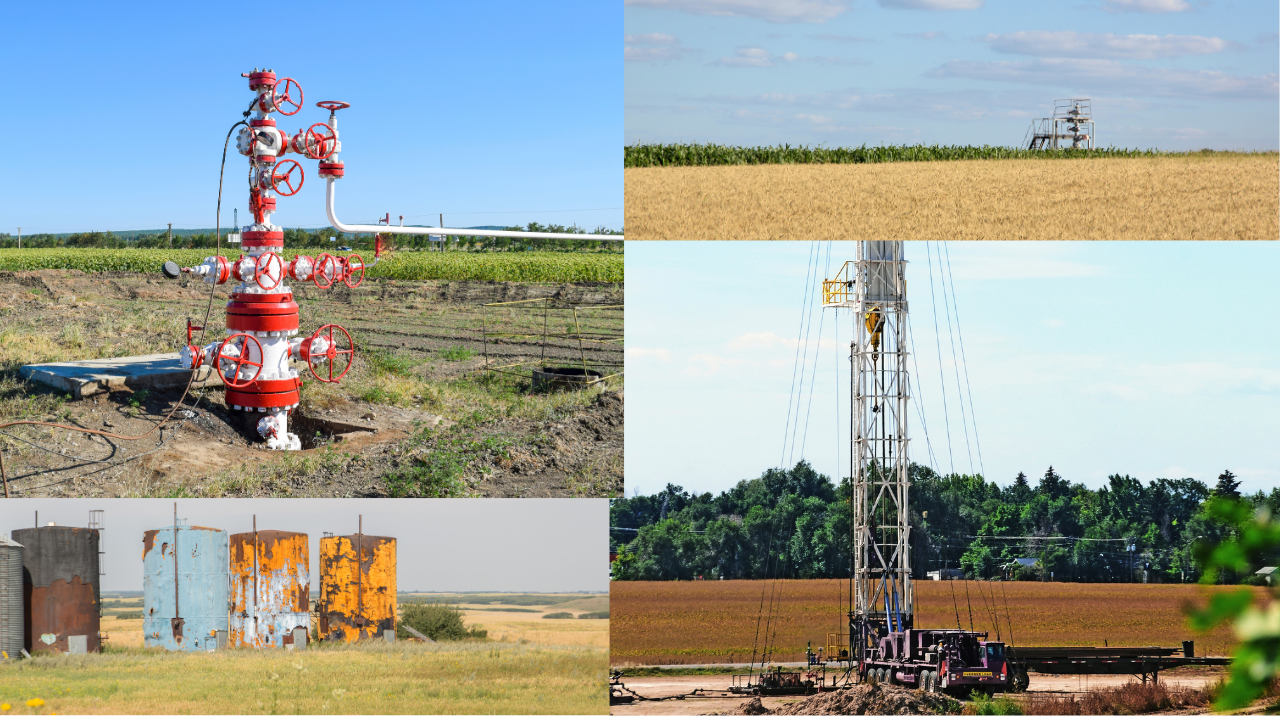
This project aims to address the urgent issue of over 3.2 million abandoned, unplugged wells in the U.S. that are potentially leaking methane, a potent greenhouse gas responsible for a significant rise in global temperatures. By permanently plugging these wells, the project seeks to eliminate methane emissions and mitigate associated health, safety, and environmental risks, including toxic hazards and fire dangers. The initiative not only focuses on reducing greenhouse gas emissions but also aims to reclaim these sites for safer use. Ultimately, this effort contributes to long-term climate goals and enhances local community safety.
Project Gallery
Project Overview
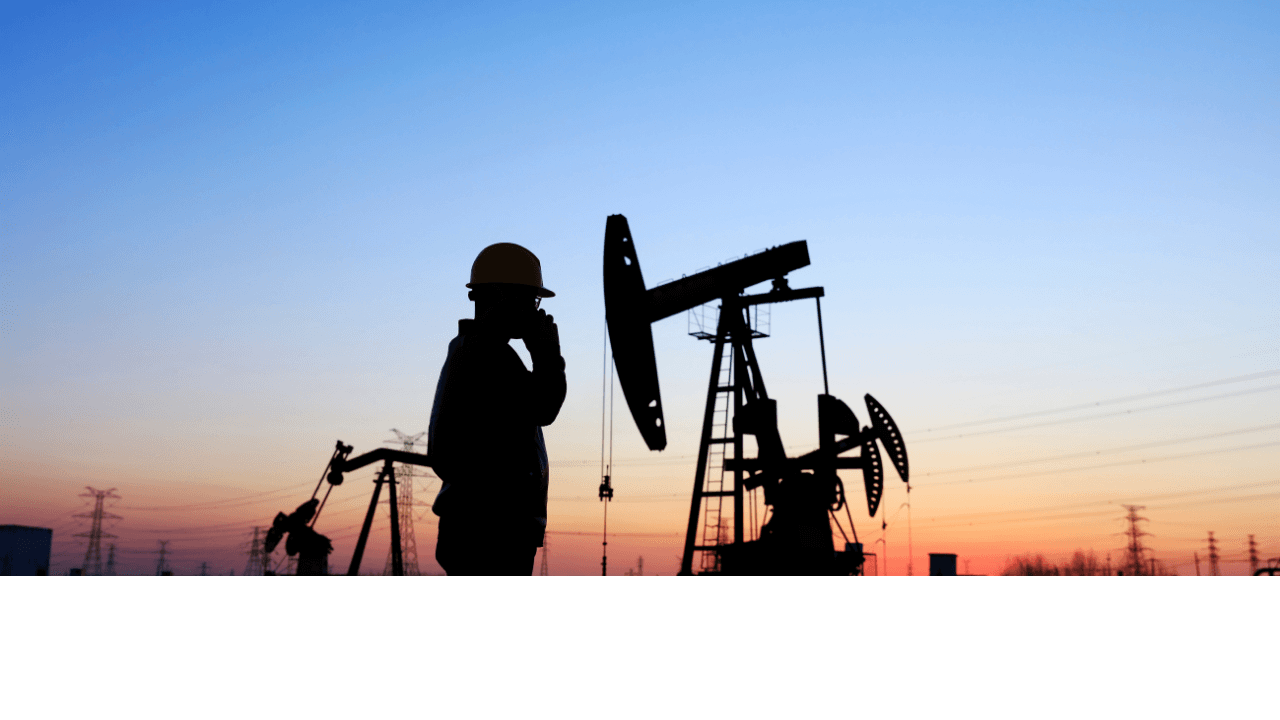
More than 3.2 million wells in the US are abandoned, unplugged, and potentially leaking methane. Methane is responsible for at least 25% of the rise in global temperatures since the start of the industrial revolution.1 While methane’s atmospheric lifetime is around 12 years vs. centuries for CO2, it absorbs heat 120 times more efficiently than CO2, making it 82.5 times as potent a greenhouse gas on a 20-year time scale. The goal of the project is the permanent avoidance of methane emissions originated from hydrocarbon reservoirs associated with leaking abandoned oil and gas wells and the reclamation of related surface sites. In addition to significant methane emissions, unplugged wells pose many health, safety, and environmental risks, including toxic water and air hazards (from hydrogen sulfide), flash fires, vapor cloud explosions, and pool fire hazards. Permanently plugging abandoned wells eliminates these hazards as well as the risk of further methane emissions.
Project Details
Project Company
Royal Road Carbon Solutions
Project URL
Location
Texas, United States
Project Type
Fugitive Emissions
Methodology
BCarbon Methane Emissions Elimination through Well Plugging
Mechanism
Avoidance
Start Date
May 2025
Verification
First Verifier: ALL Consulting
On-going Validator: ALL Consulting
Standard: BCarbon
Project Verification & Standards
This project adheres to recognized carbon standards and undergoes third-party validation and verification. These standards help ensure emissions reductions or removals are real, measurable, and traceable.
Sustainable Development Goals
This project contributes to the following United Nations Sustainable Development Goals (SDGs):

No poverty
End poverty in all its forms everywhere

Good health and well-being
Ensure healthy lives and promote well-being for all at all ages

Quality Education
Ensure inclusive and equitable quality education and promote lifelong learning opportunities for all

Gender Equality
Achieve gender equality and empower all women and girls
Clean water and sanitation
Ensure availability and sustainable management of water and sanitation for all
Decent work and economic growth
Promote sustained, inclusive and sustainable economic growth, full and productive employment and decent work for all

Industry, innovation and infrastructure
Build resilient infrastructure, promote inclusive and sustainable industrialization and foster innovation

Climate action
Take urgent action to combat climate change and its impacts
Life on land
Protect, restore and promote sustainable use of terrestrial ecosystems, sustainably manage forests, combat desertification, and halt and reverse land degradation and halt biodiversity loss
The Sustainable Development Goals are a collection of 17 global goals set by the United Nations General Assembly. This project's contributions to these goals are verified and monitored.
Support this project
Choose how you want to contribute to this verified carbon offset project.
Carbon projects supported by ClimeOne are independently verified but involve estimates and assumptions. Environmental outcomes may vary. Offsetting should be considered one component of a broader sustainability strategy.