
BIGCOAST FOREST CLIMATE INITIATIVE
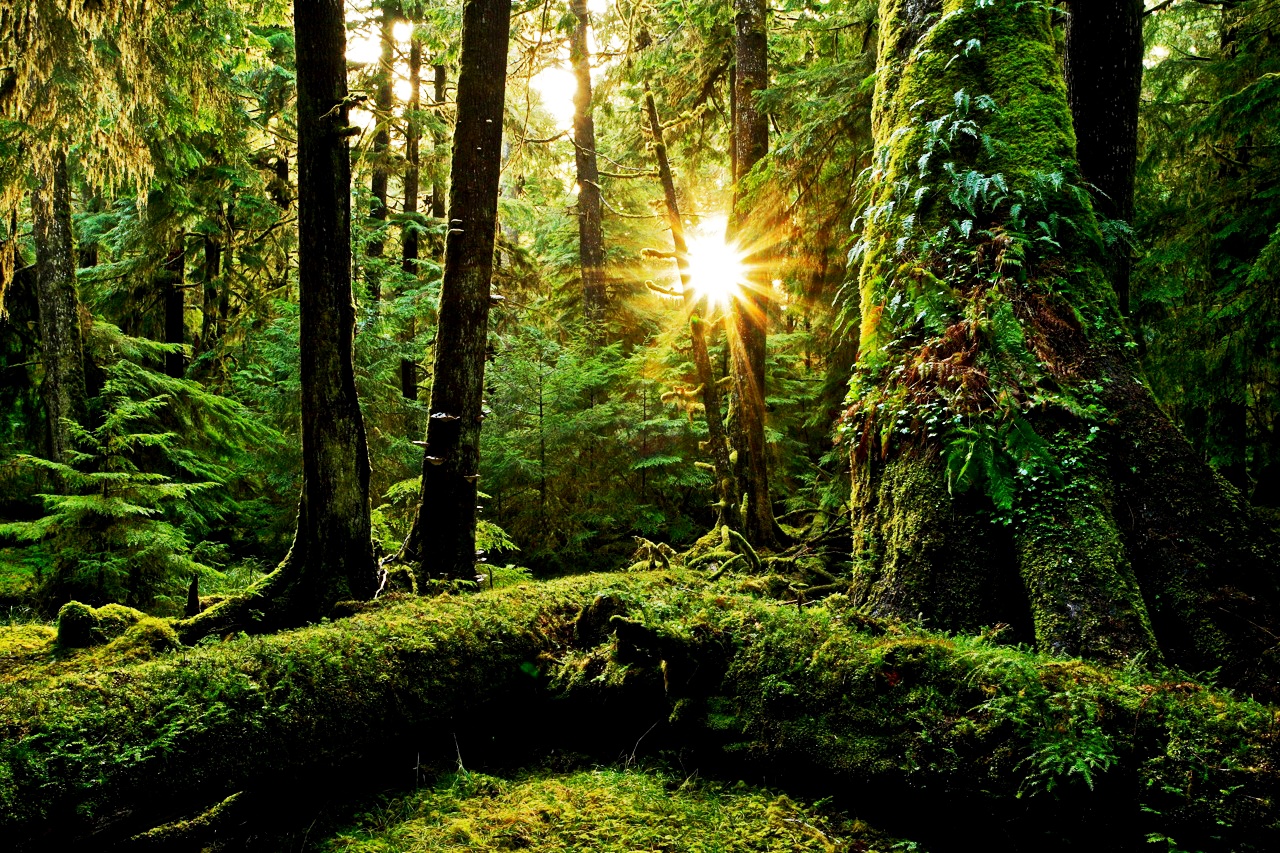
The BigCoast Forest Climate Initiative, spearheaded by Mosaic Forest Management Corporation, represents Canada's largest sustainable forest stewardship project, conserving 40,000 hectares of unique ecosystems on the West Coast. Launched in 2022, the initiative focuses on conservation efforts primarily in old-growth forests, aiming to enhance carbon storage and prevent 20 million tonnes of greenhouse gas emissions. This initiative not only supports environmental sustainability but also prioritizes social responsibility by directing revenue towards Indigenous communities and scientific research partnerships. By generating high-quality nature-based carbon credits, it paves the way for sustainable economic opportunities while preserving the cultural significance of the land.
Project Gallery









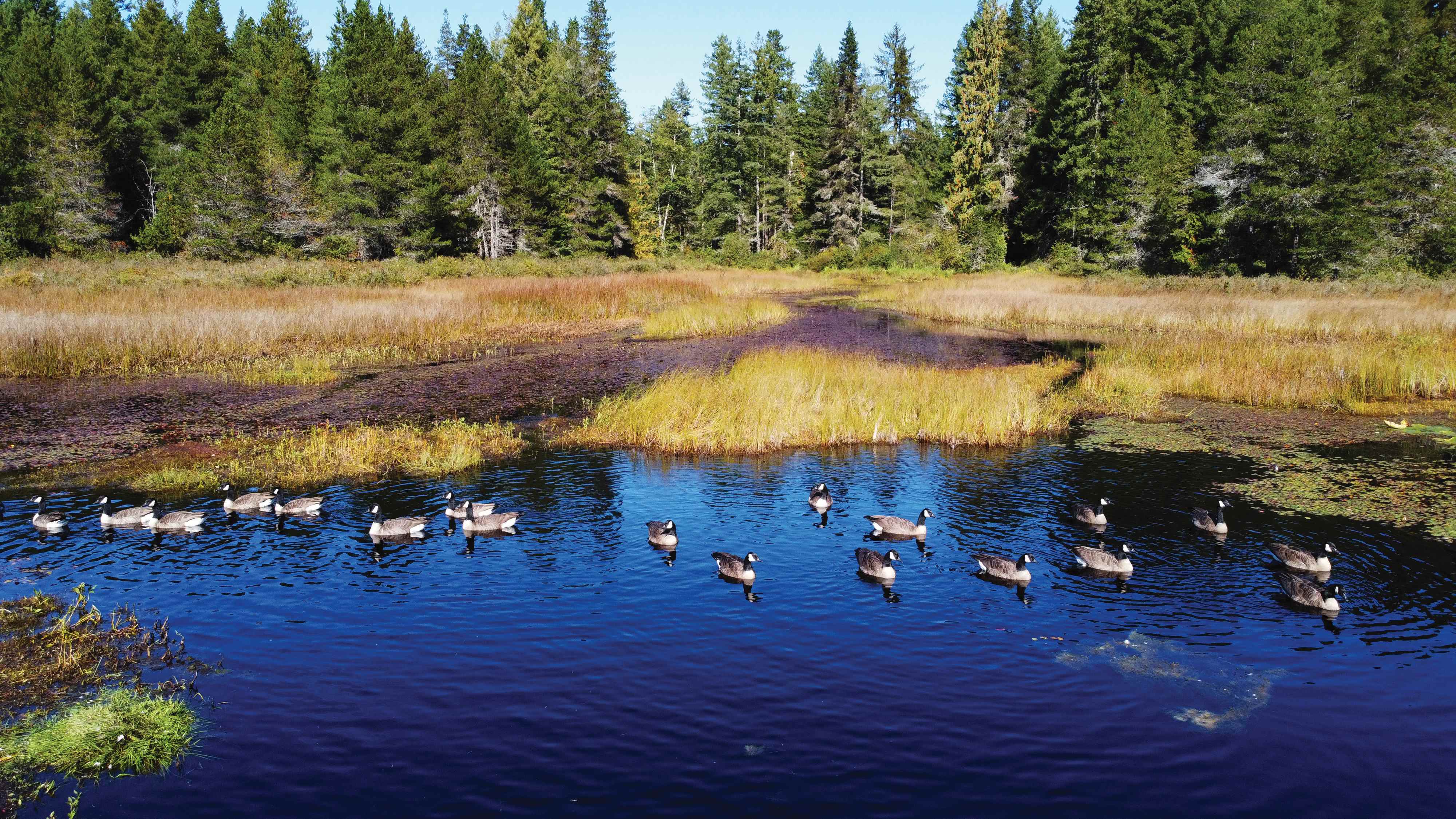
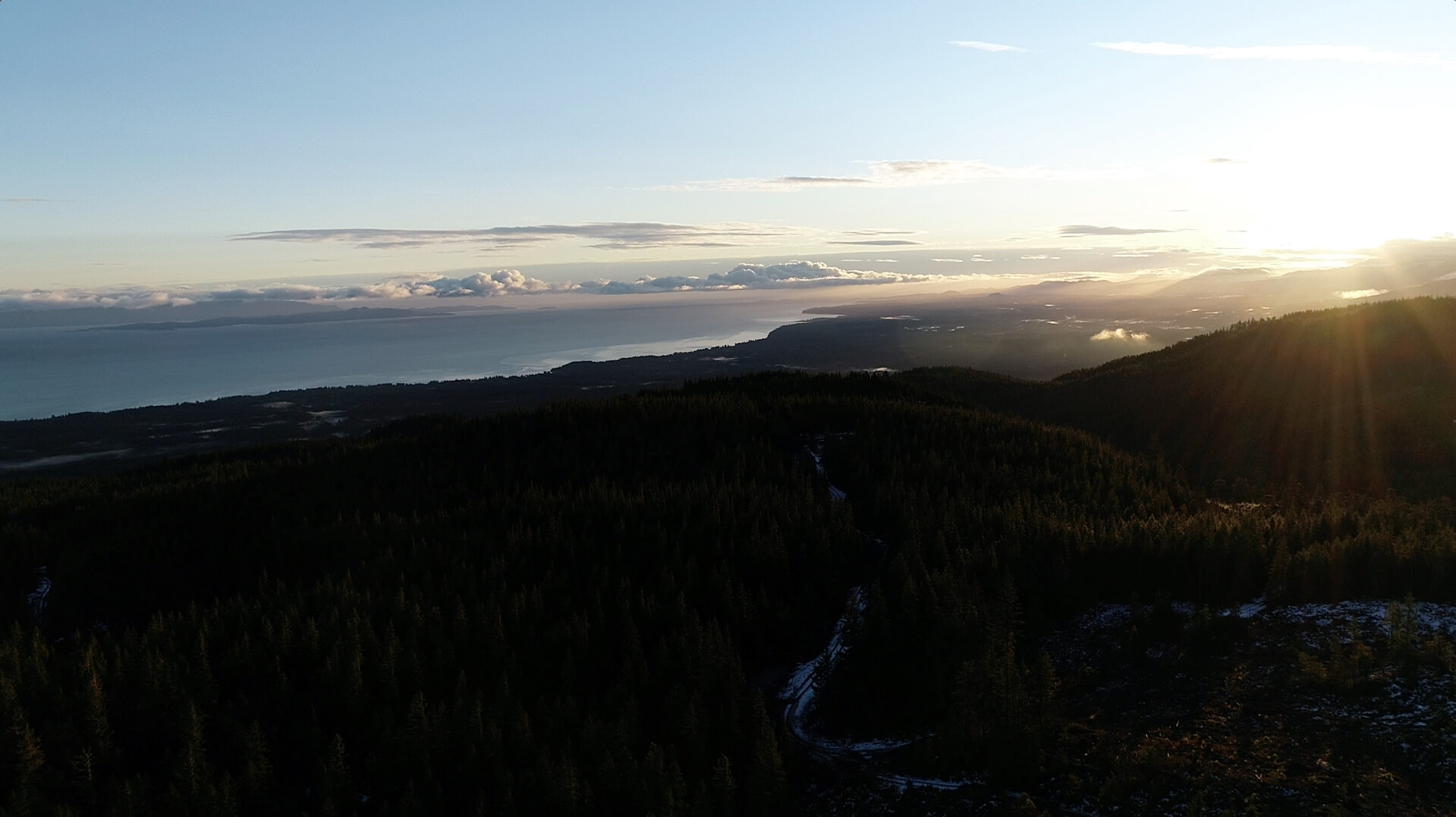
Project Overview
Mosaic Forest Management Corporation is in the business of sustainable forest stewardship, managing private timberlands and public forest tenures in Coastal British Columbia for more than a century. Mosaic employs several thousand people directly and indirectly, and is strongly committed to achieving positive economic, social and sustainability outcomes from the working forest and the communities in which it is a part. For more information, visit MosaicForests.com.
The BigCoast Forest Climate Initiative is built on the foundation of Mosaic Forest Management's private forest lands and the company's dedication to managing the land base as a resource for today and future generations. It is the largest project of its kind in Canada.
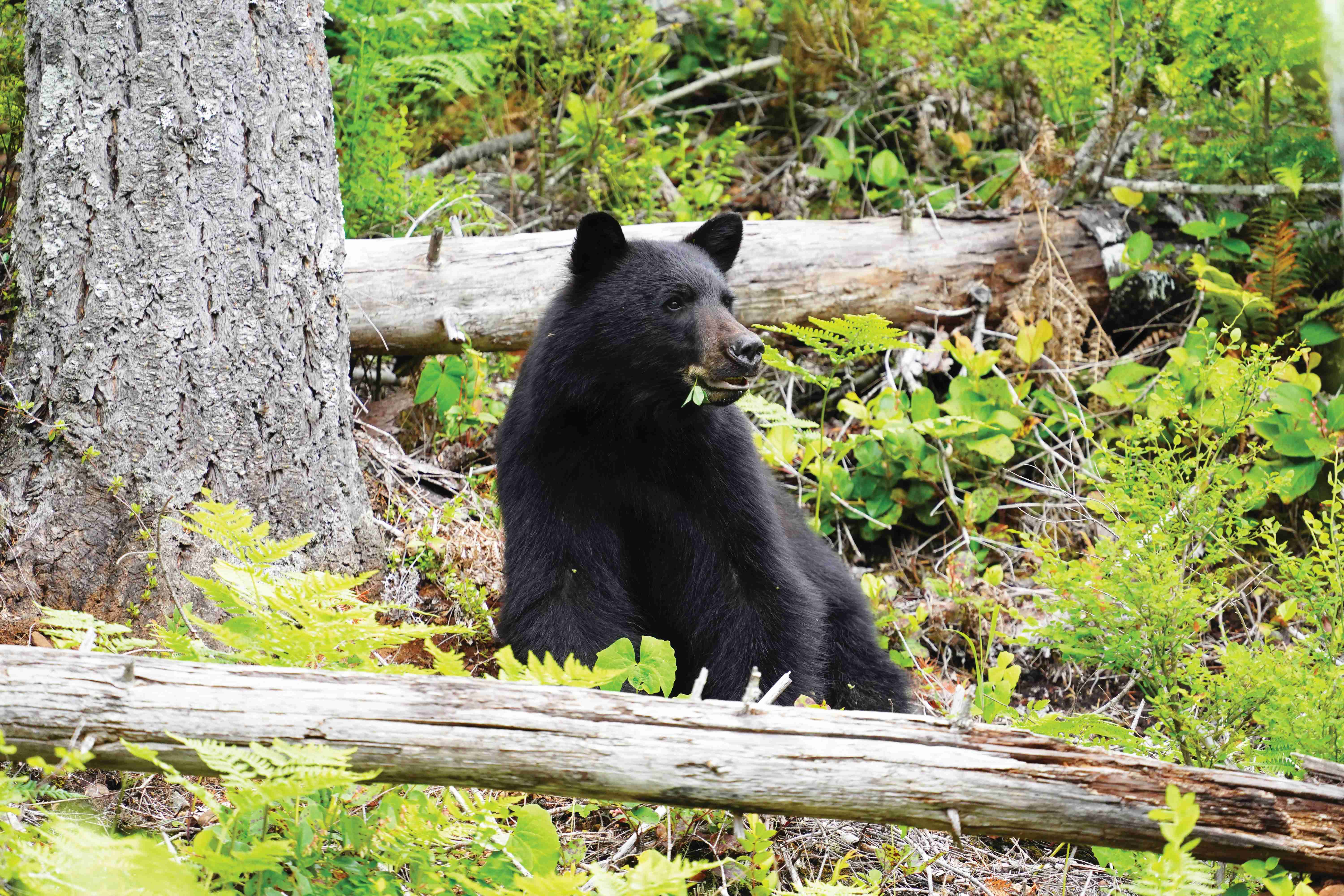
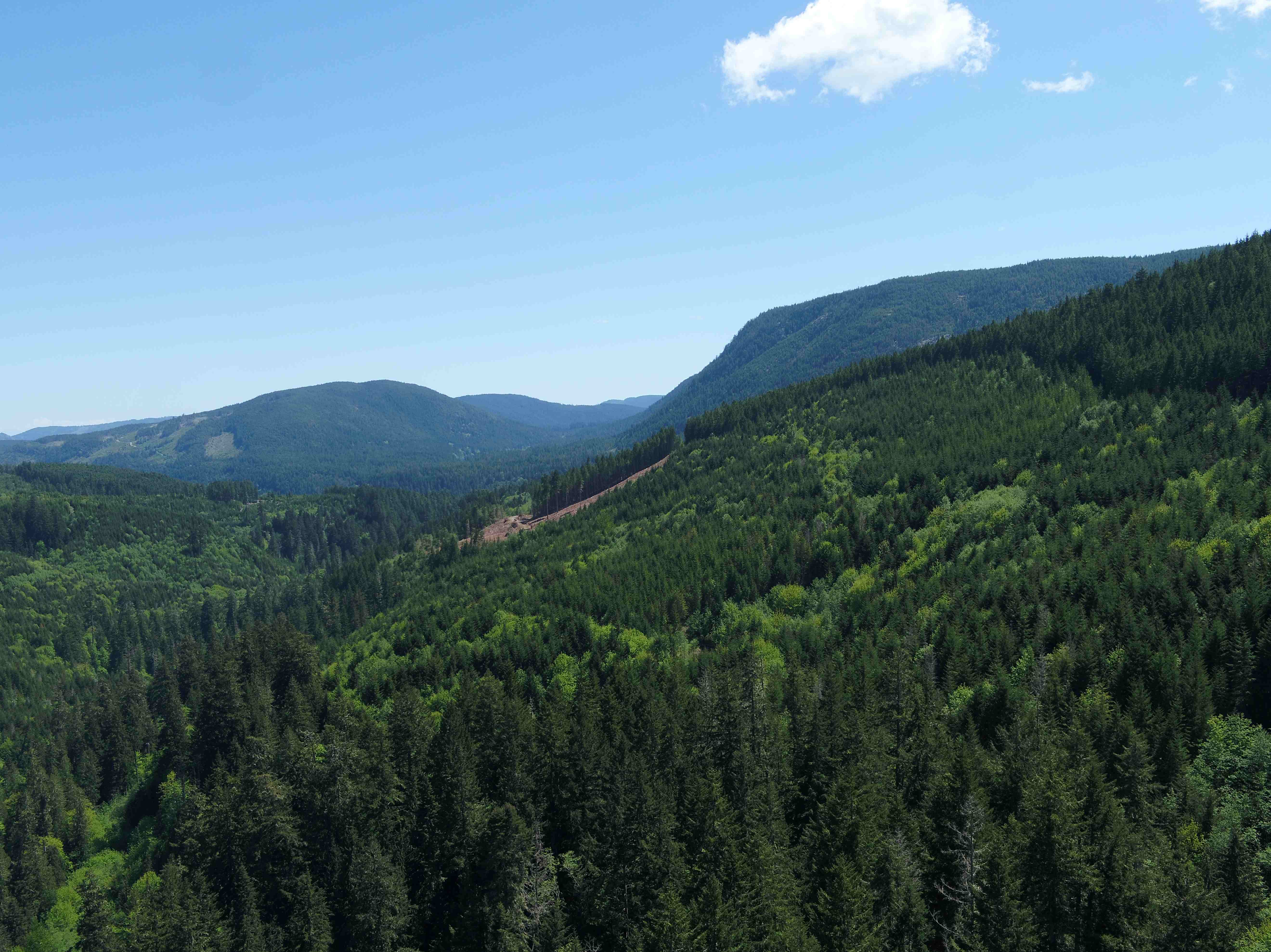
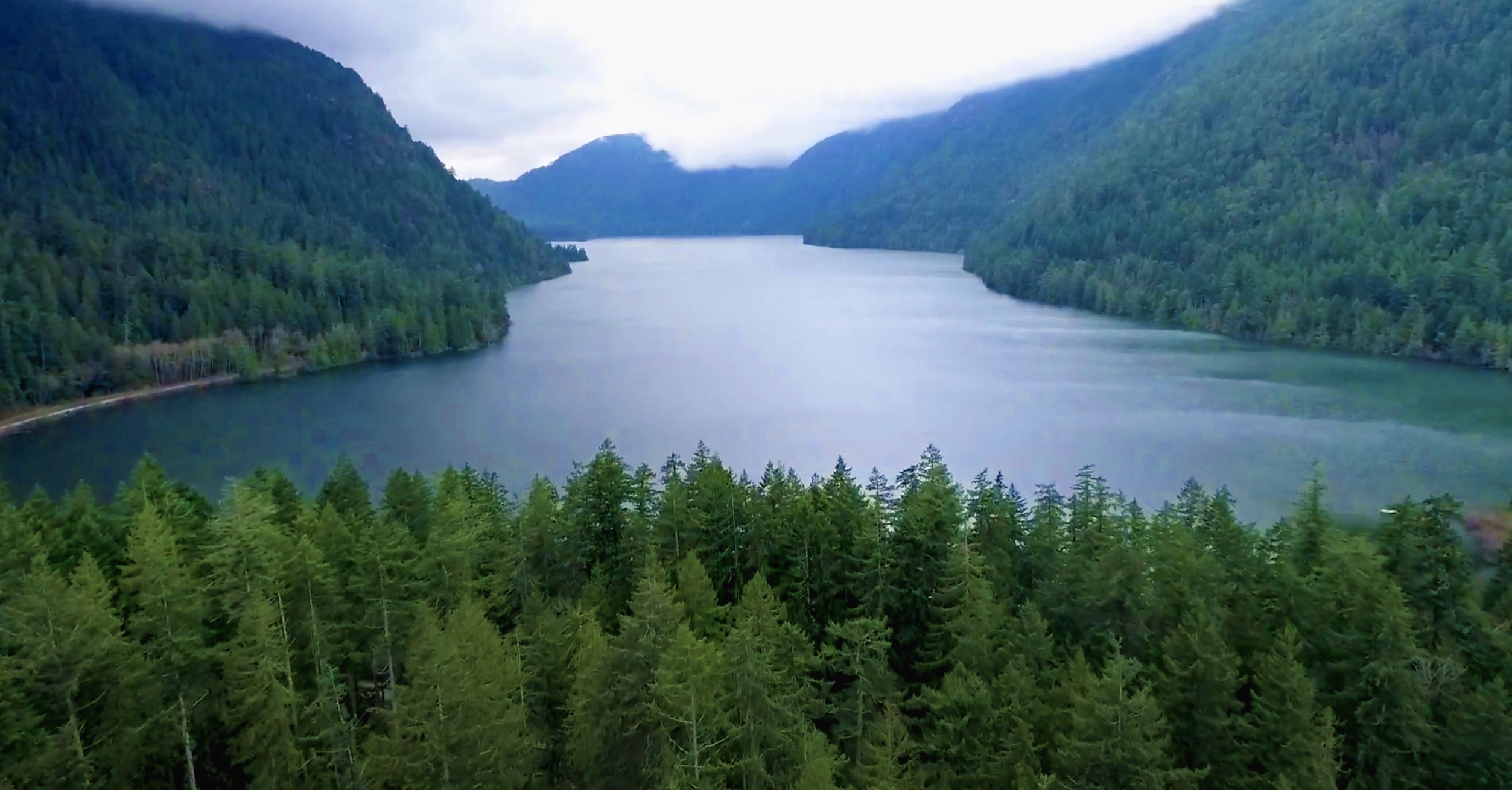
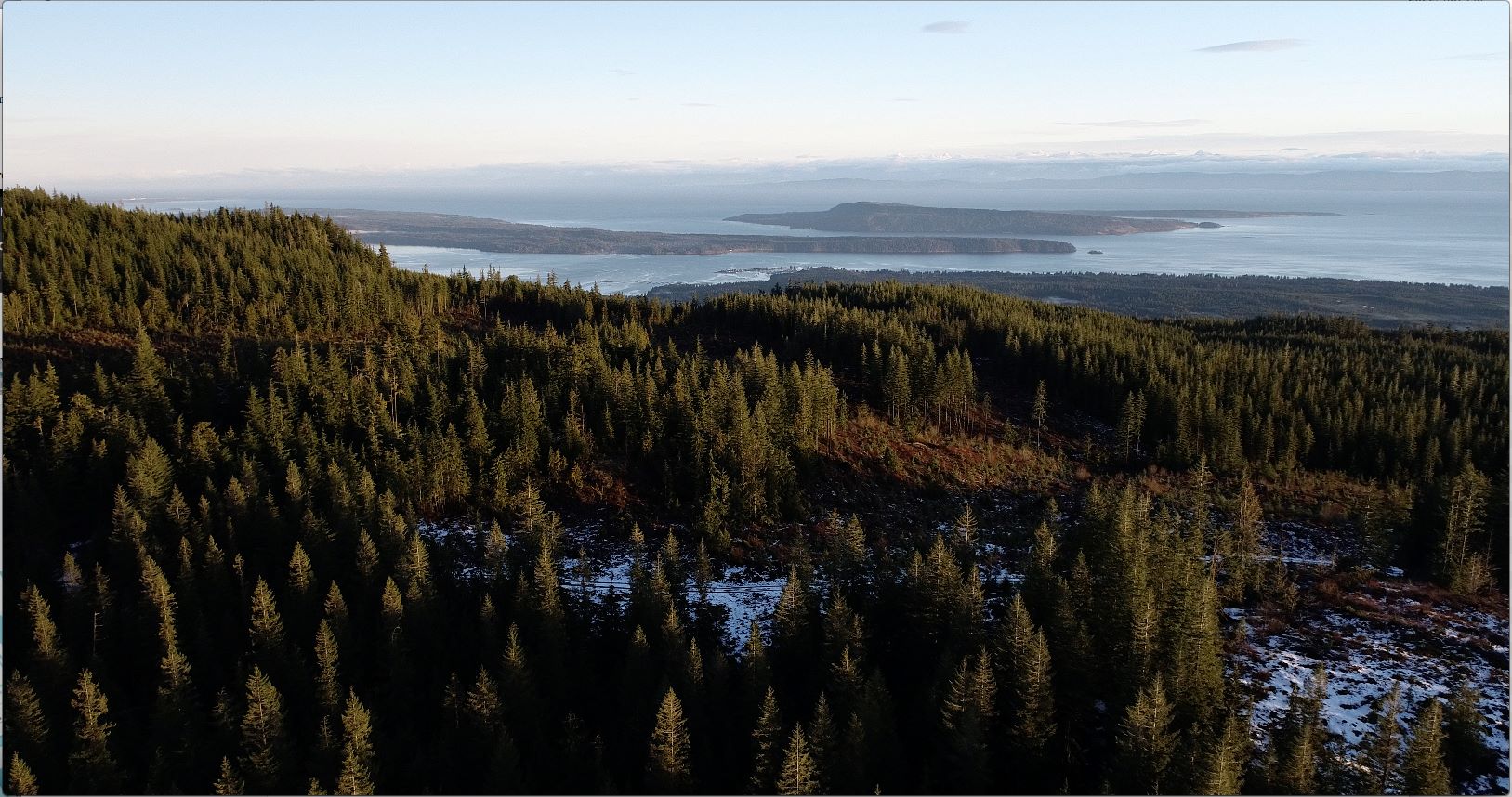
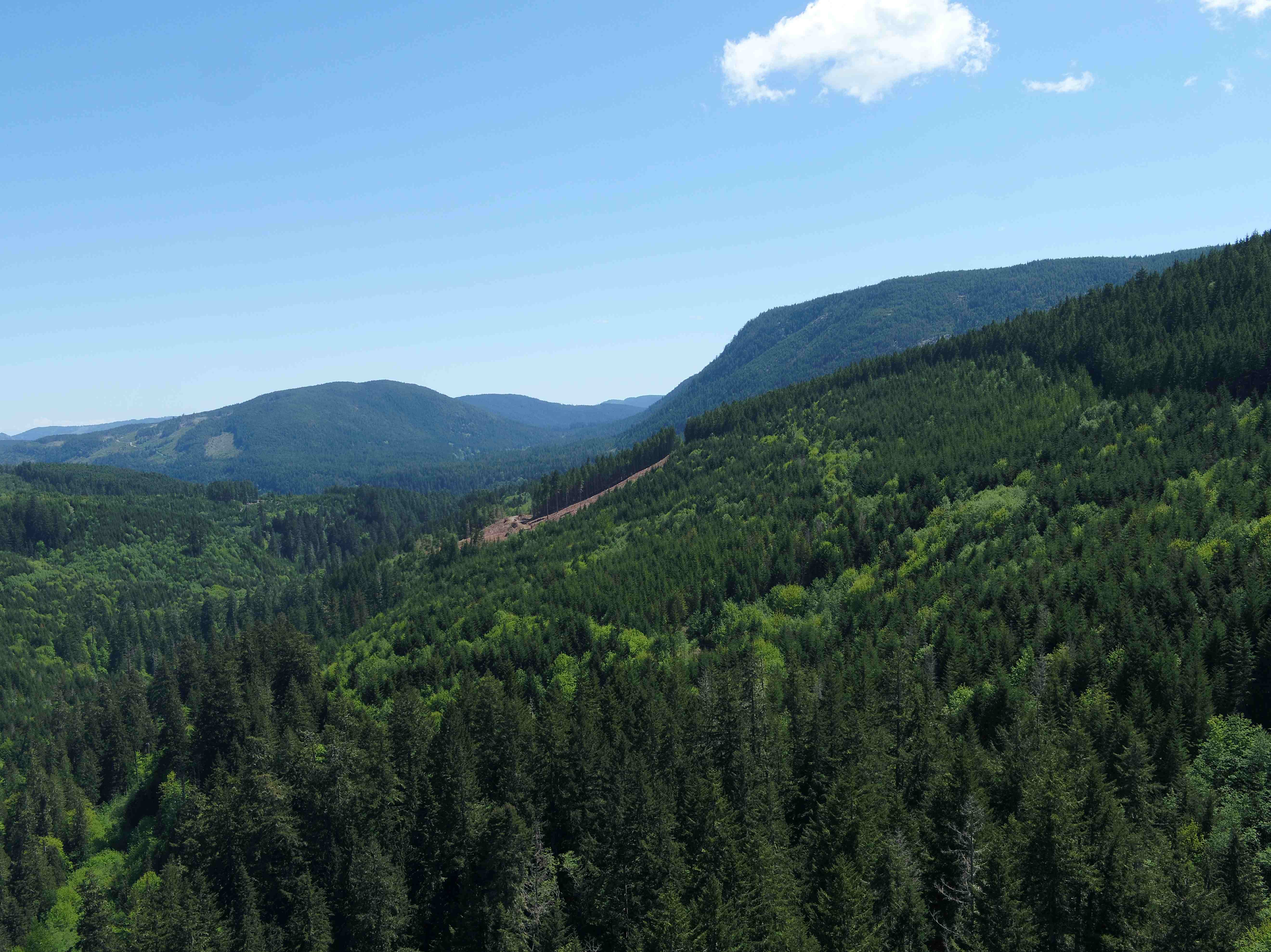
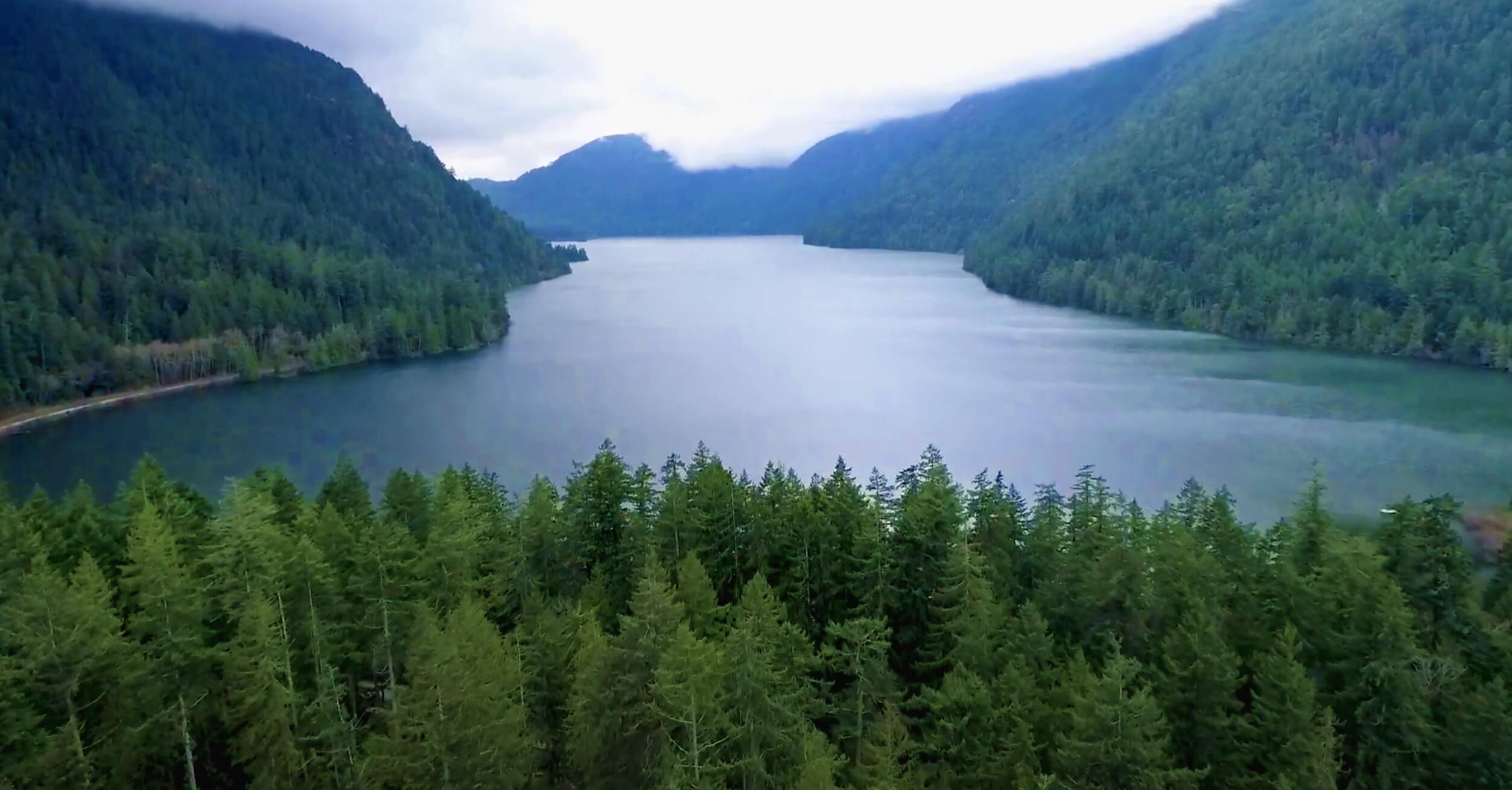
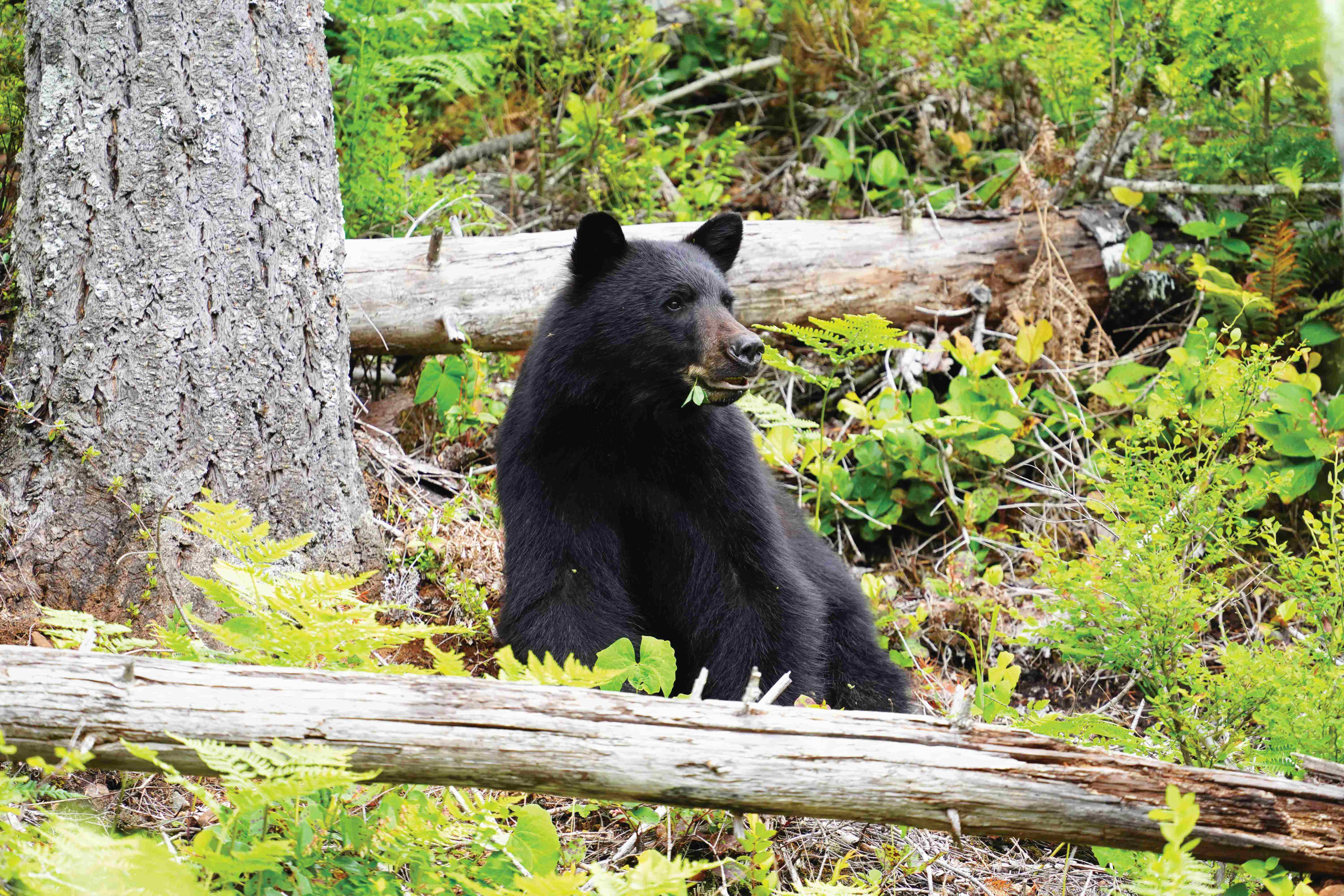
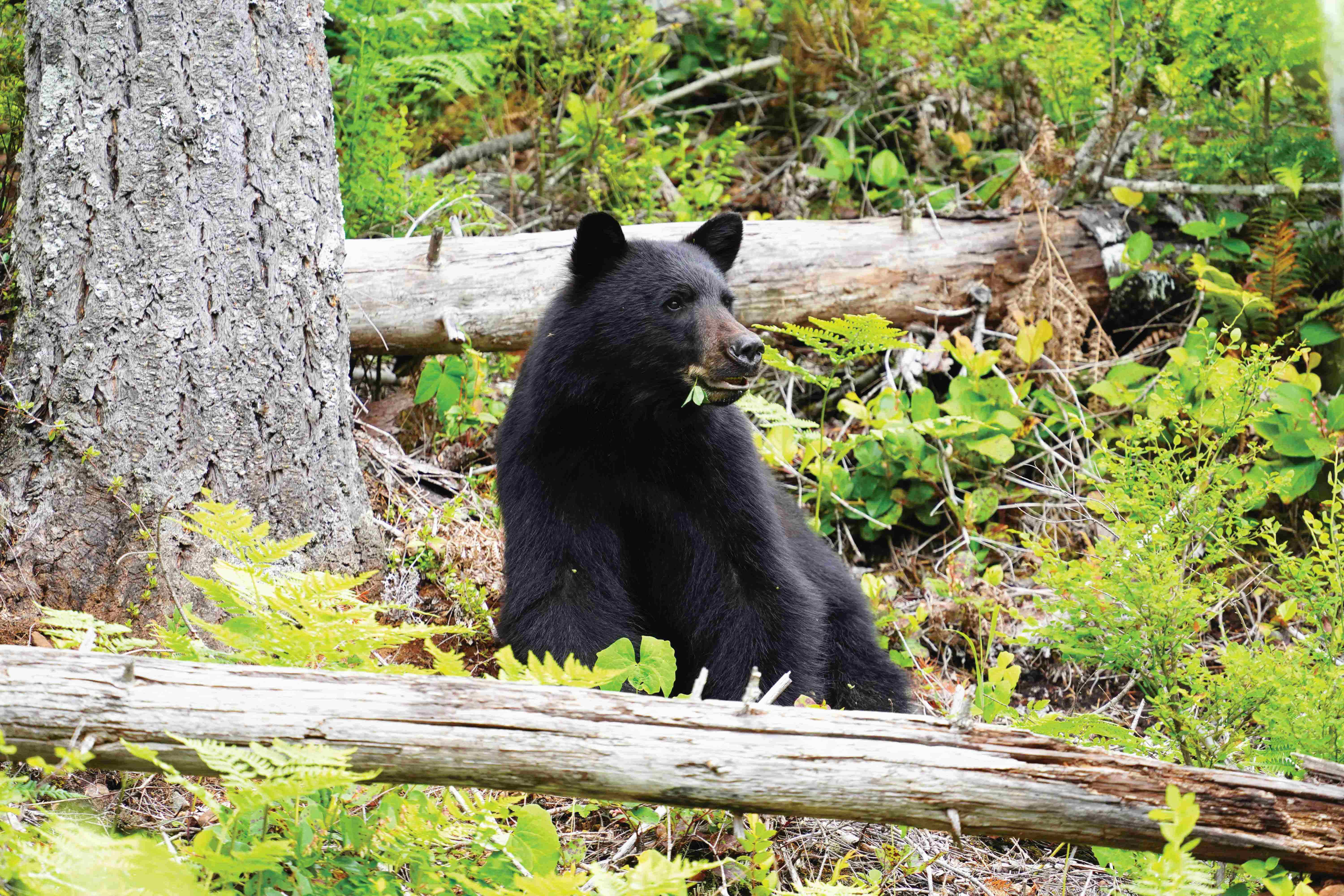
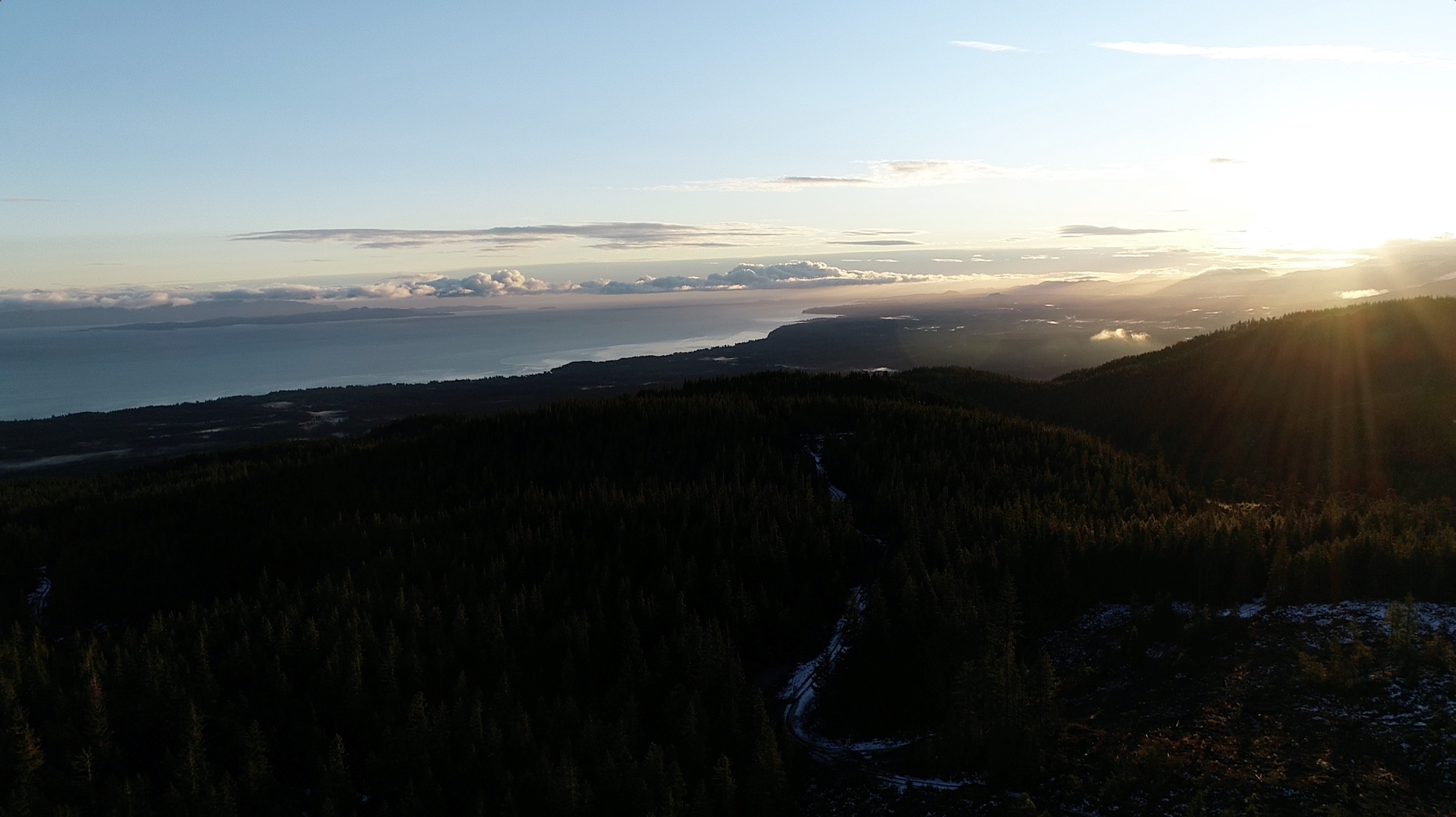
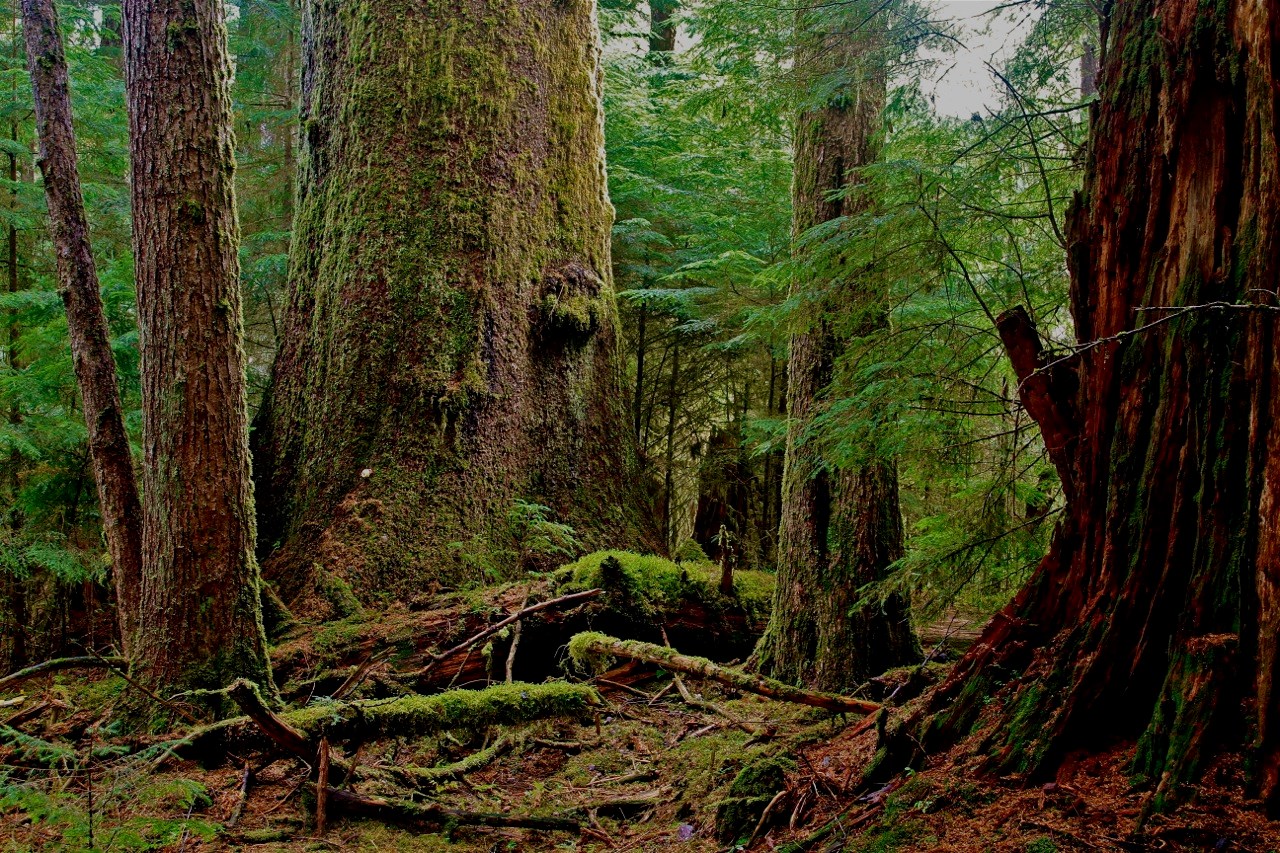
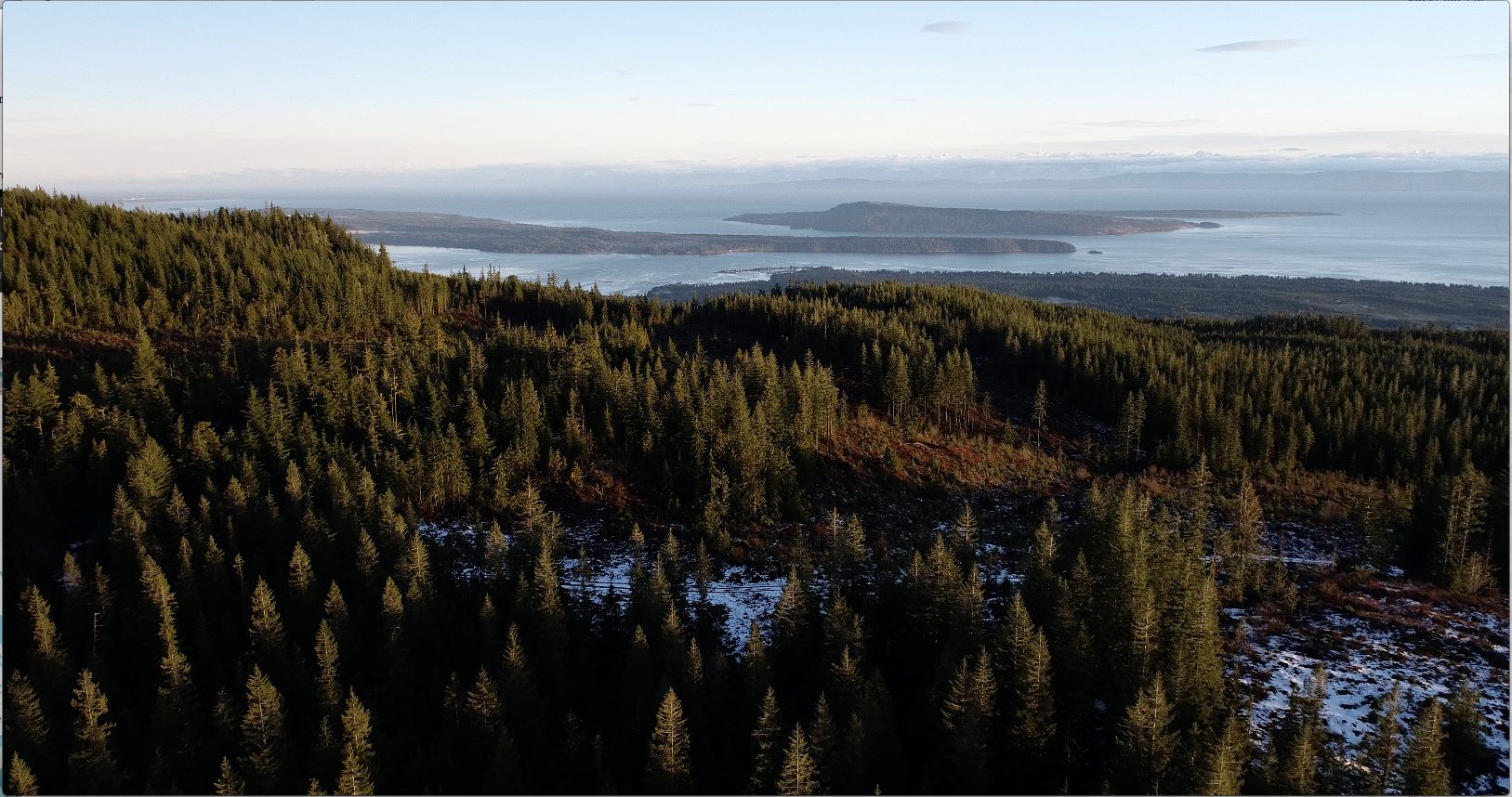
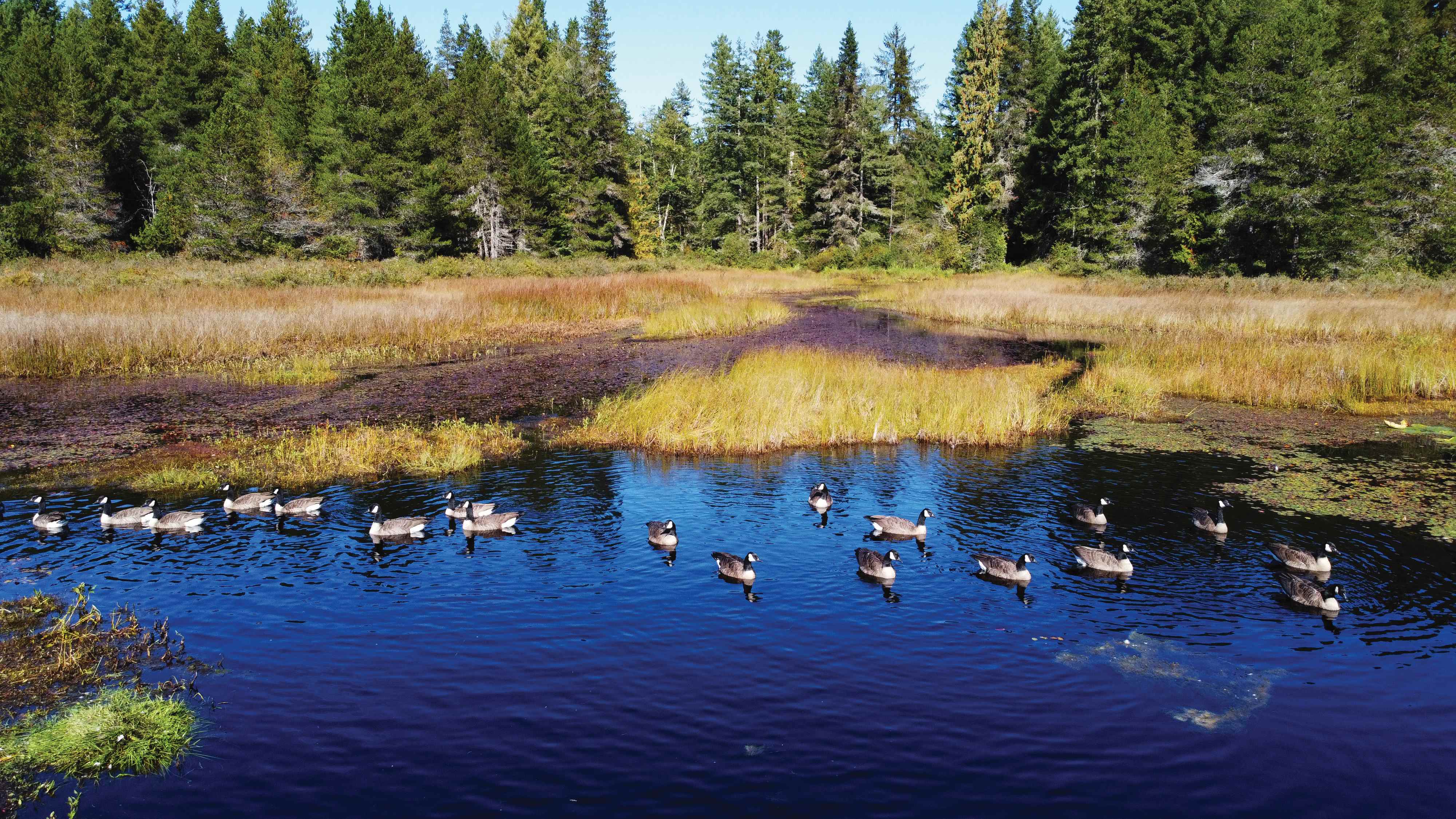
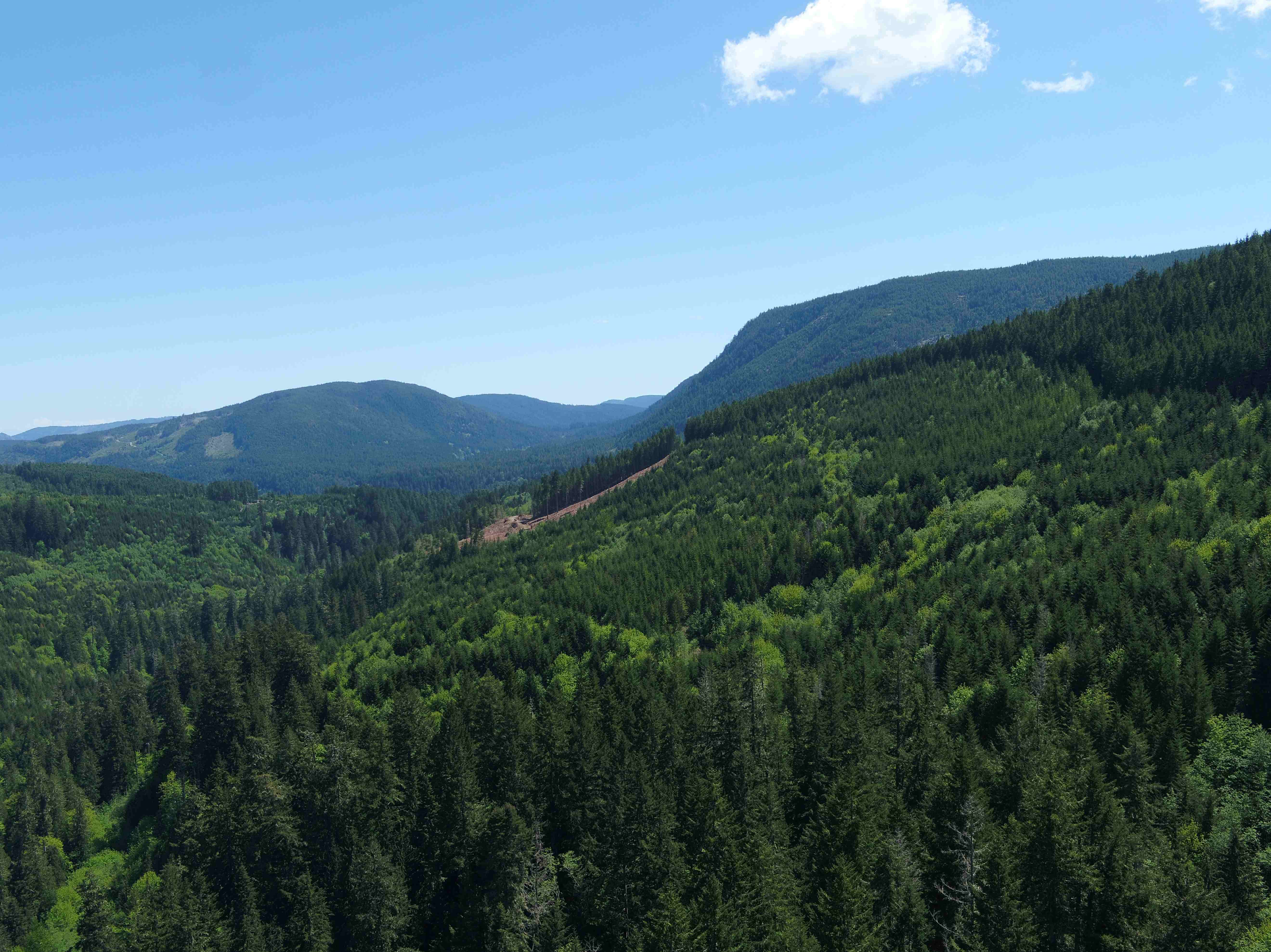
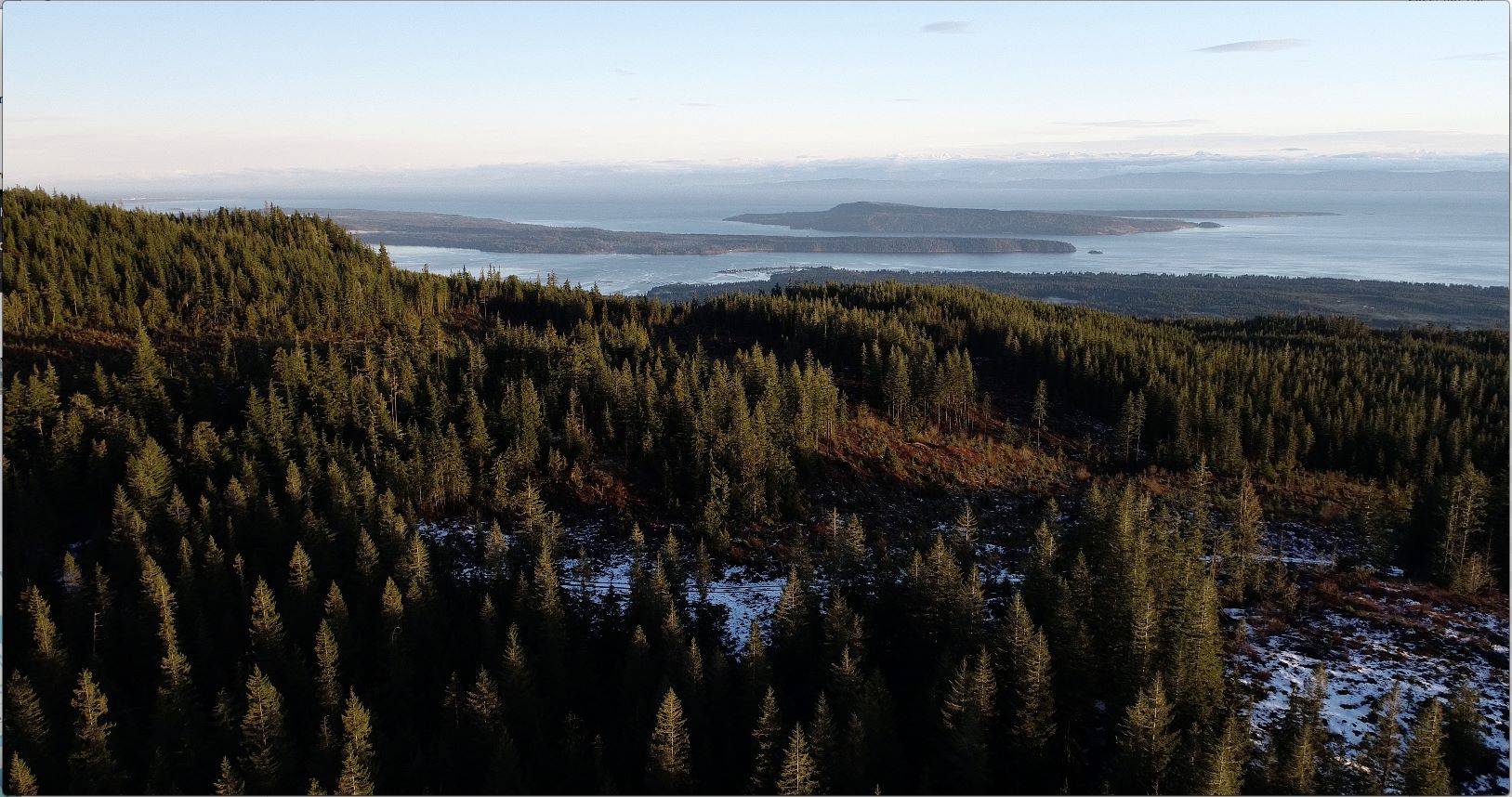
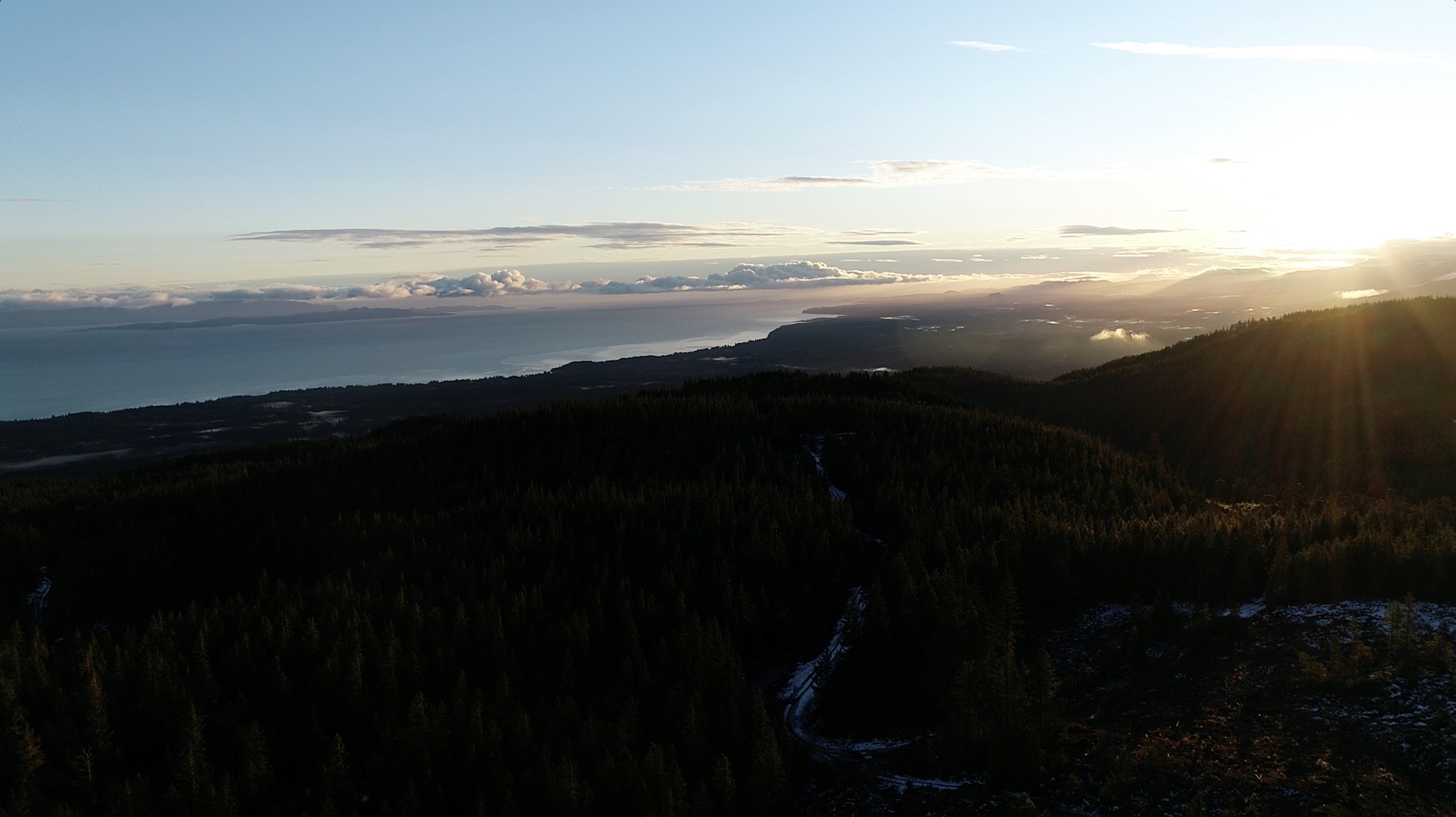
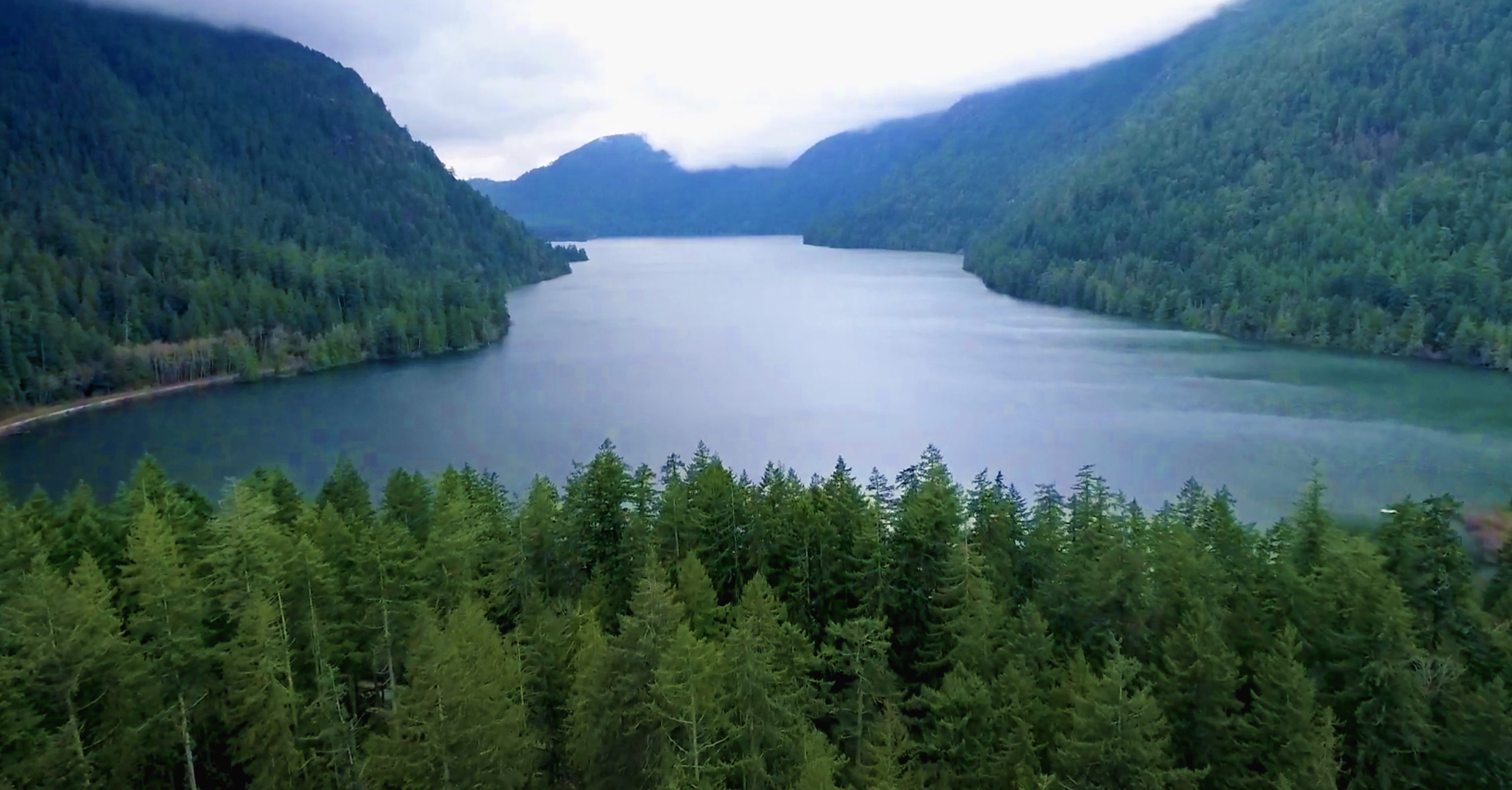
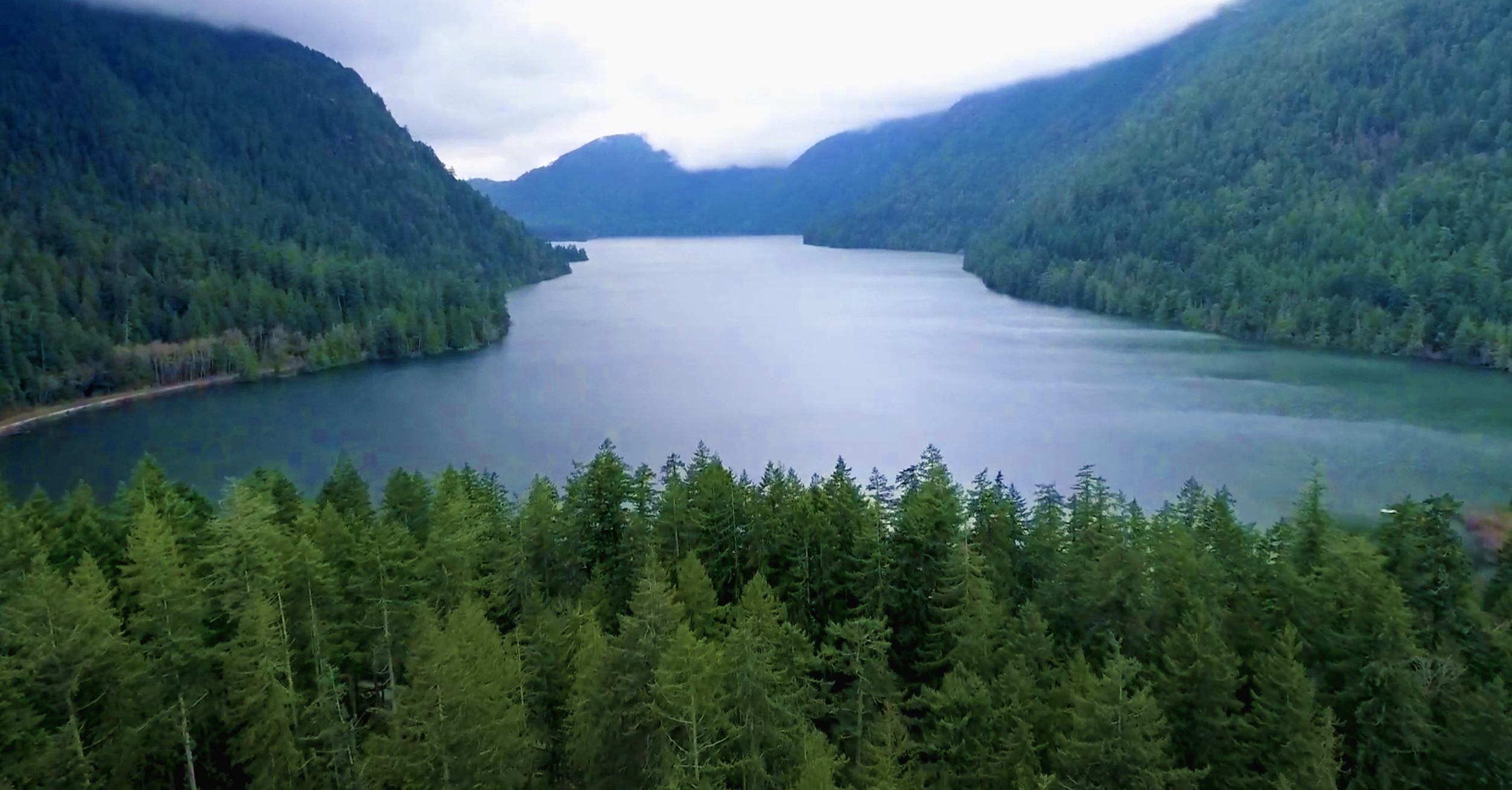
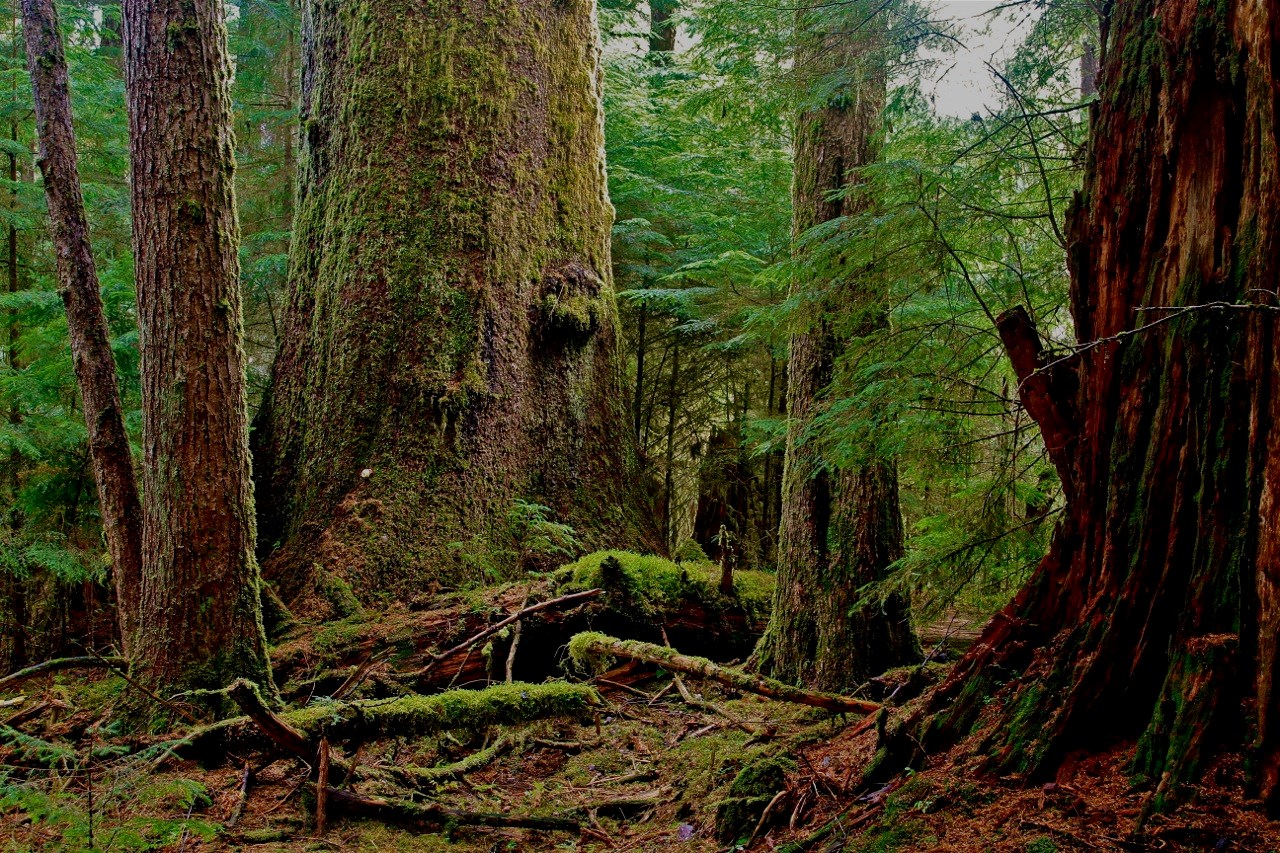
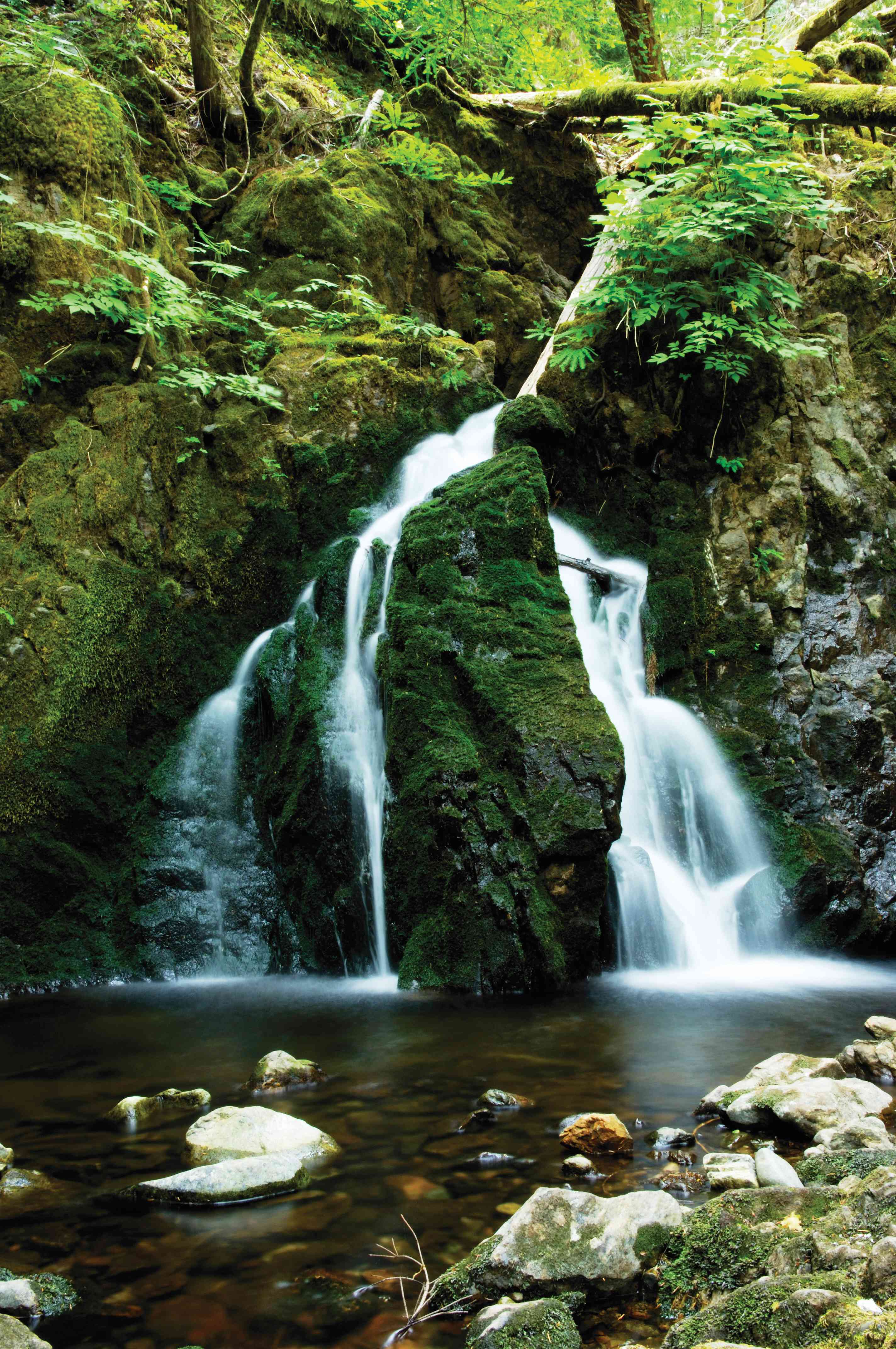
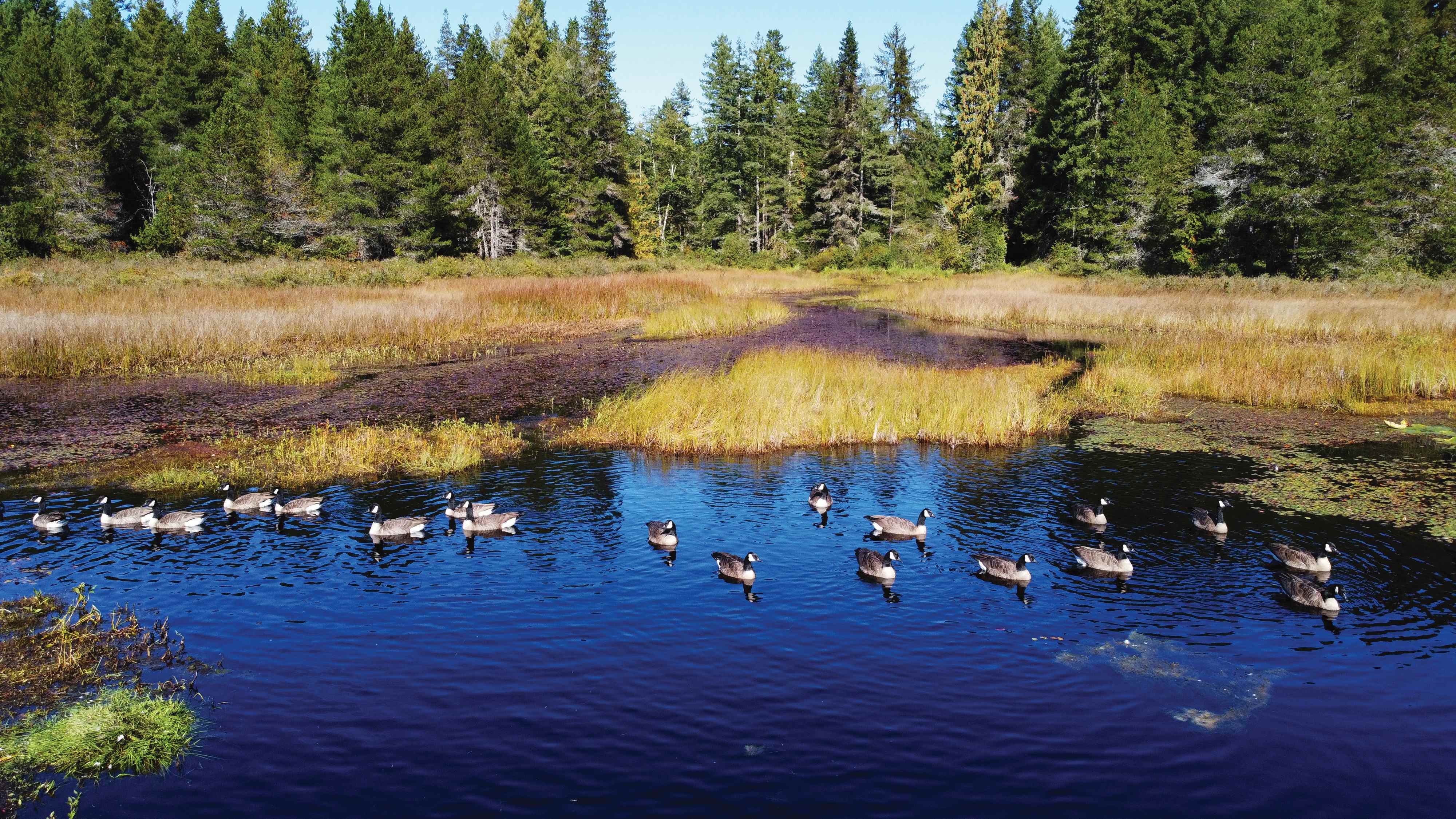
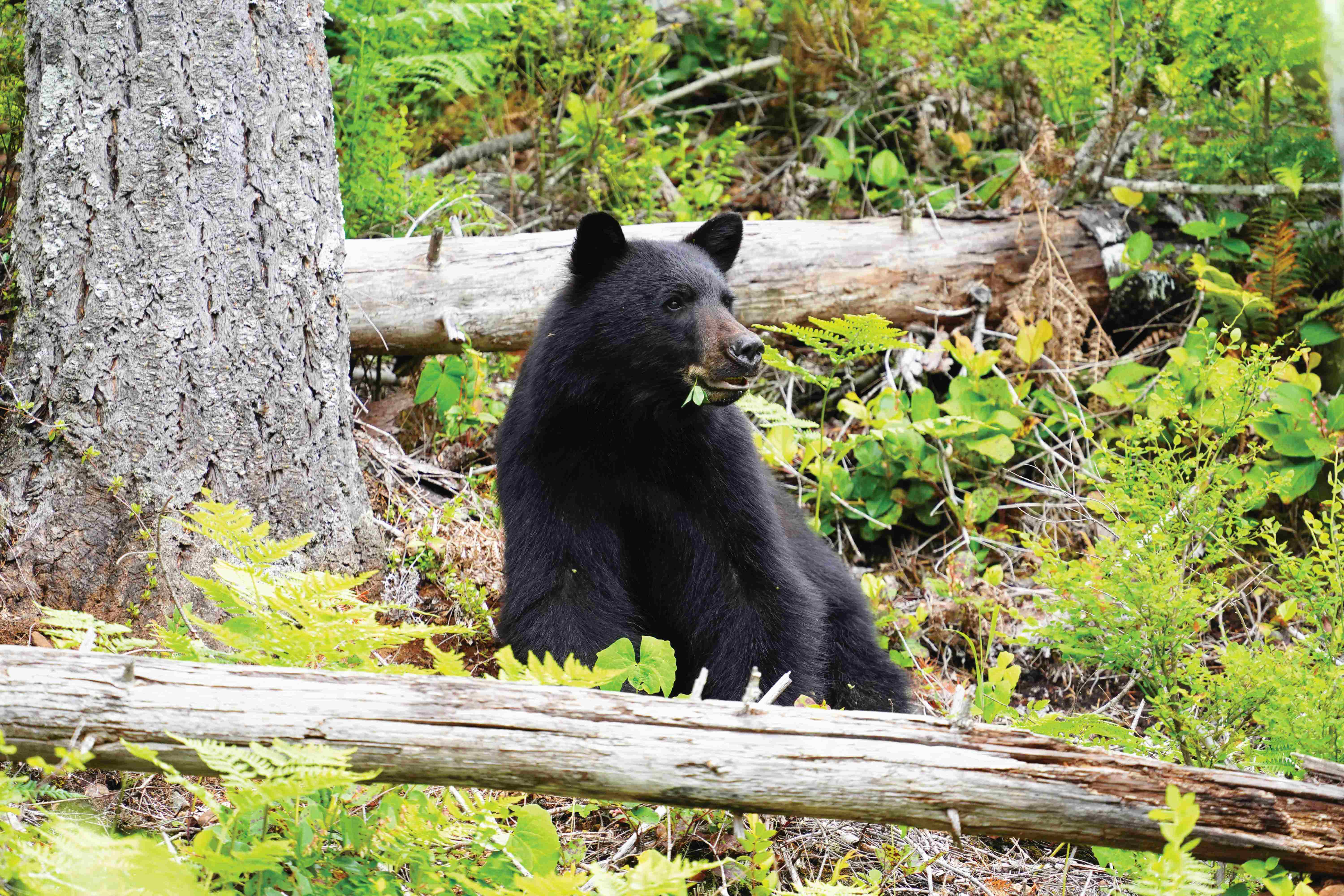
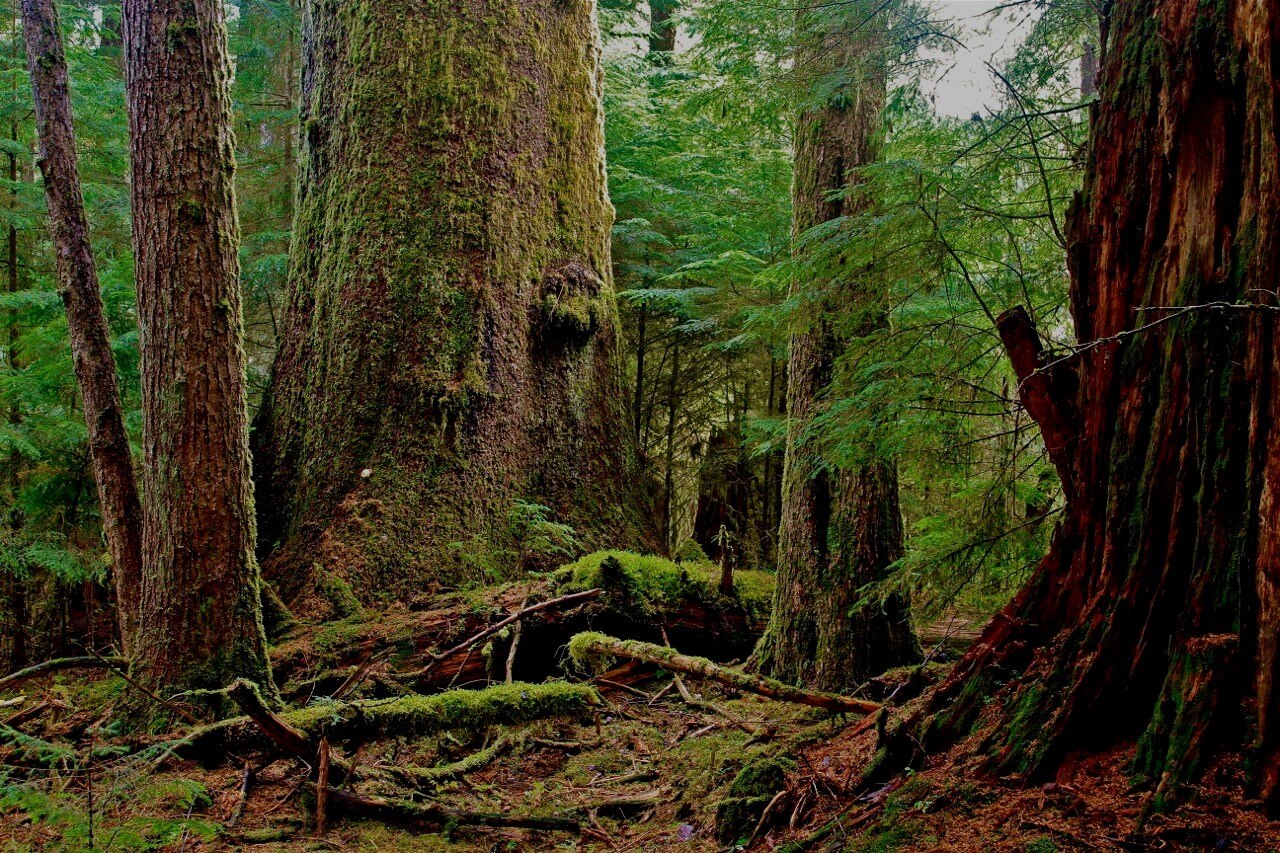
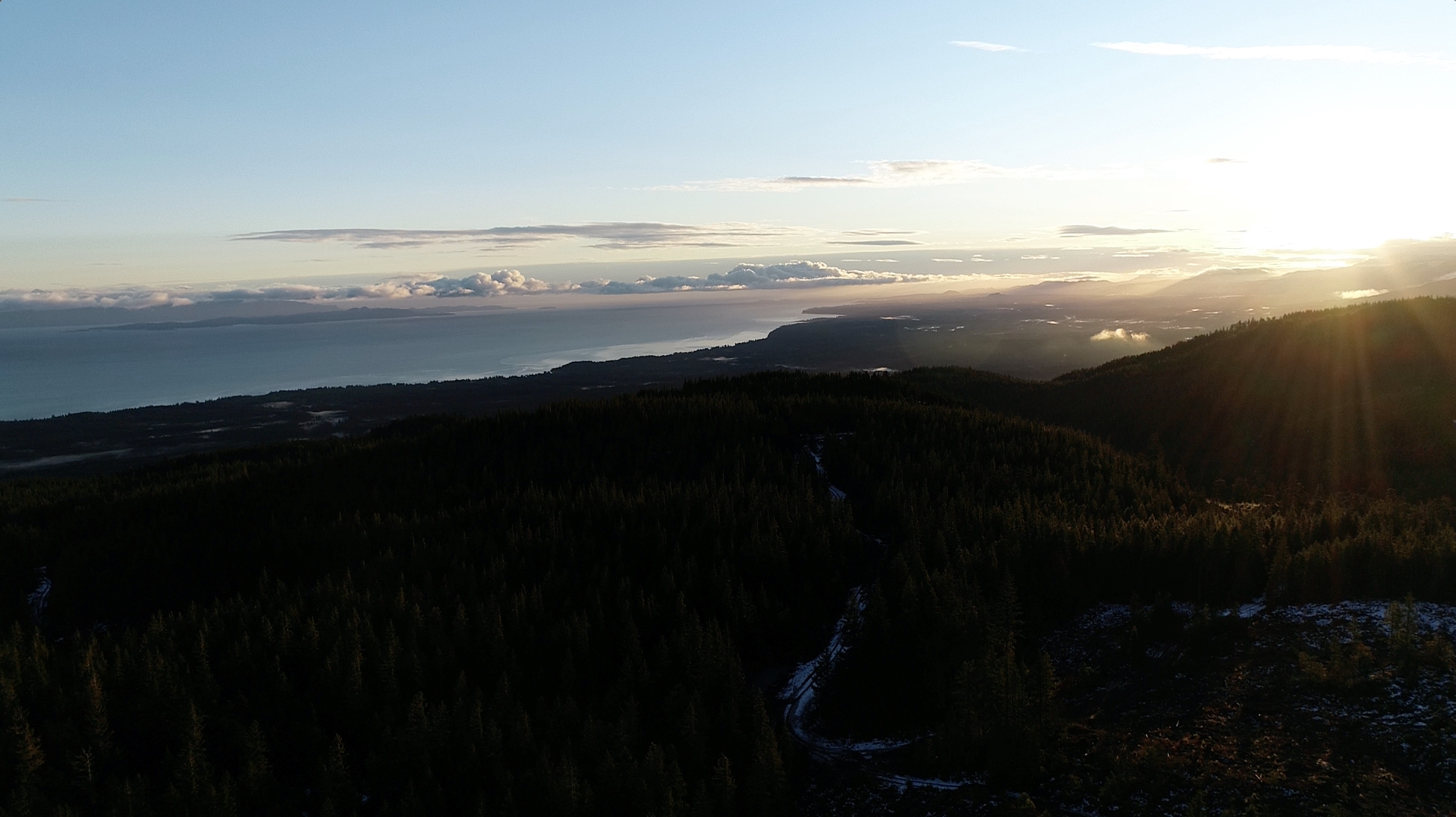
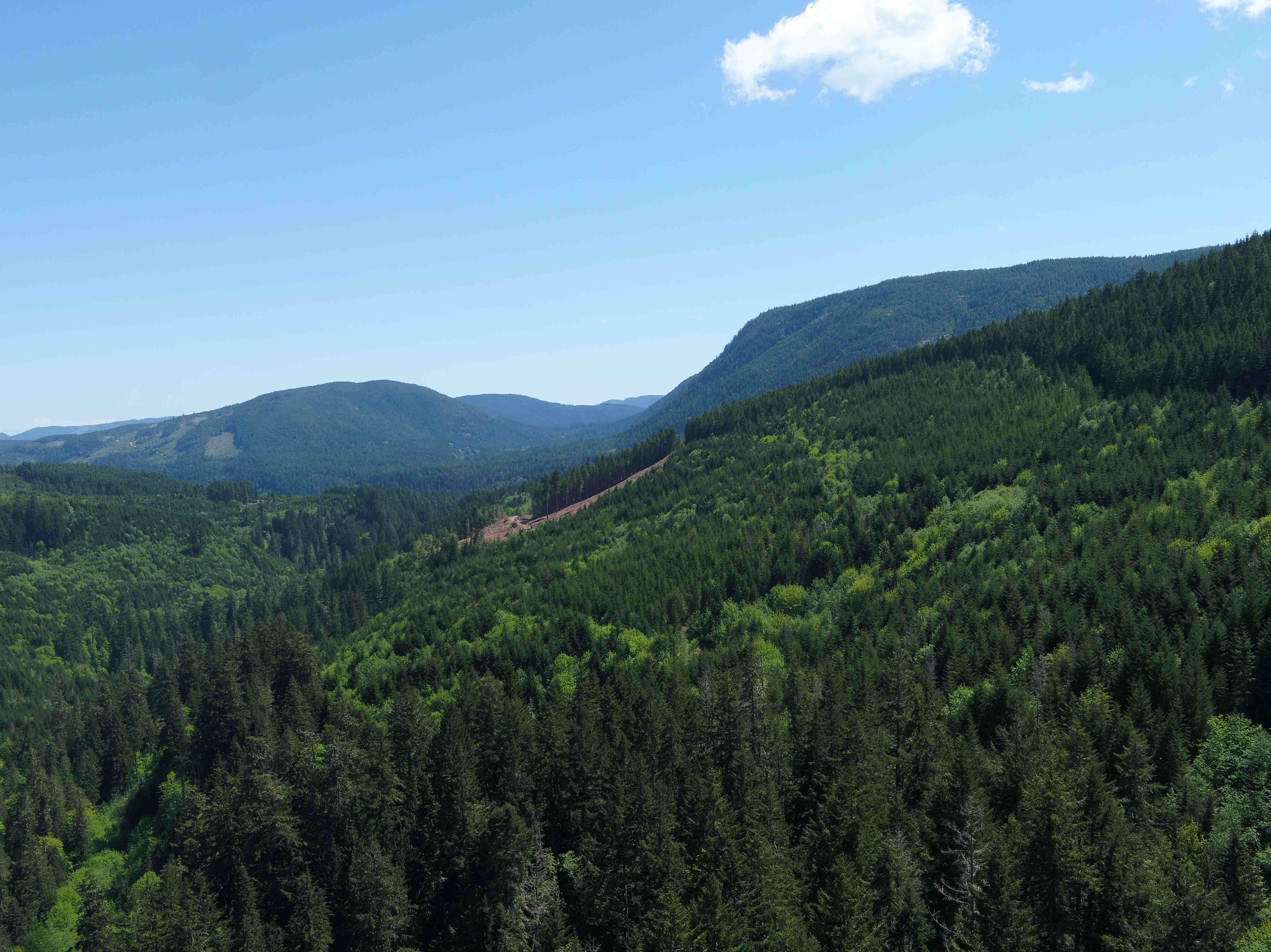
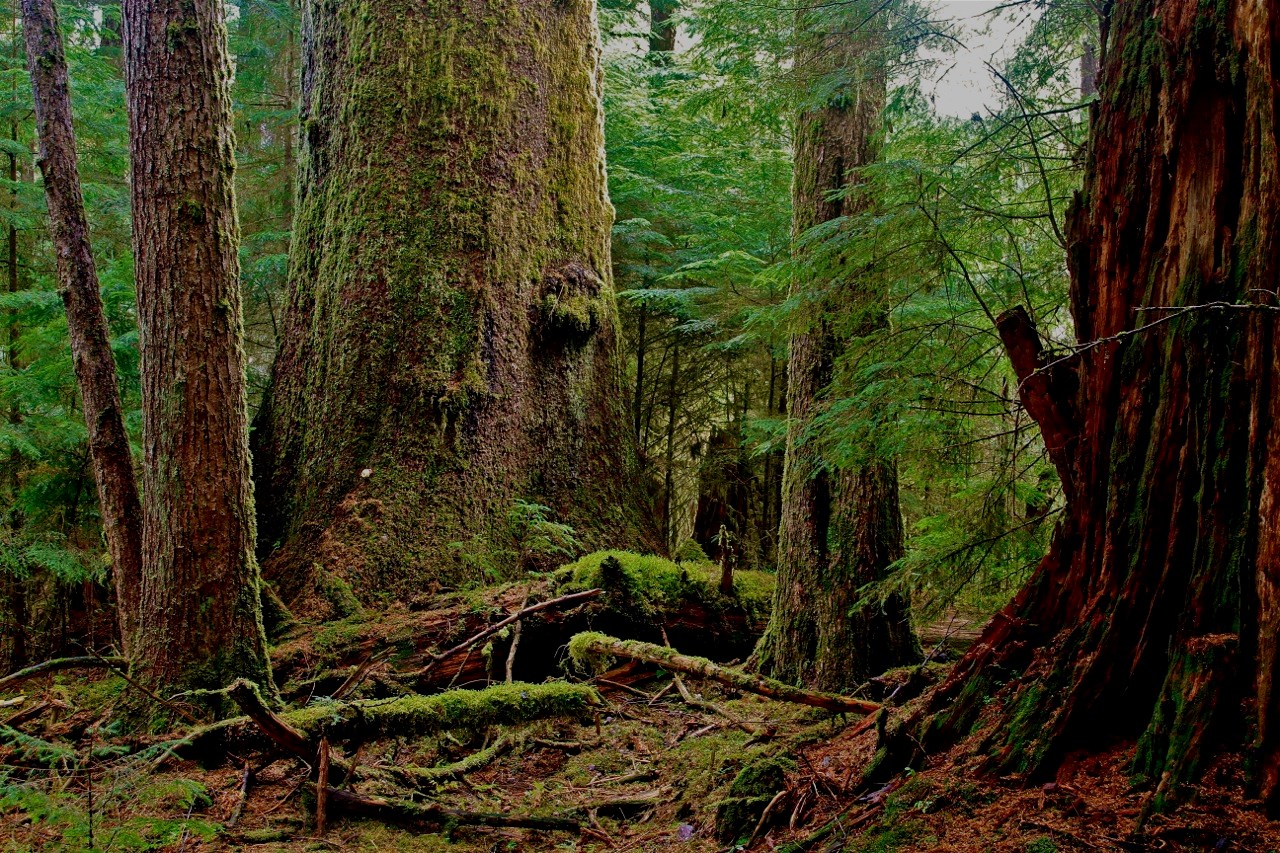
BigCoast Forest began in 2022 by conserving 40,000 hectares (100,000 acres) of unique forest ecosystems on the West Coast of Canada. More than 80 per cent of these lands are old forest—land that has never been industrially harvested. It’s an area three times the size of Vancouver.
The initiative increases carbon storage and avoidance of 20 million tonnes of greenhouse gas emissions over the life of the project. The initiative will be independently verified, packaged, and available for purchase to international and domestic markets as high-quality nature-based carbon credits.
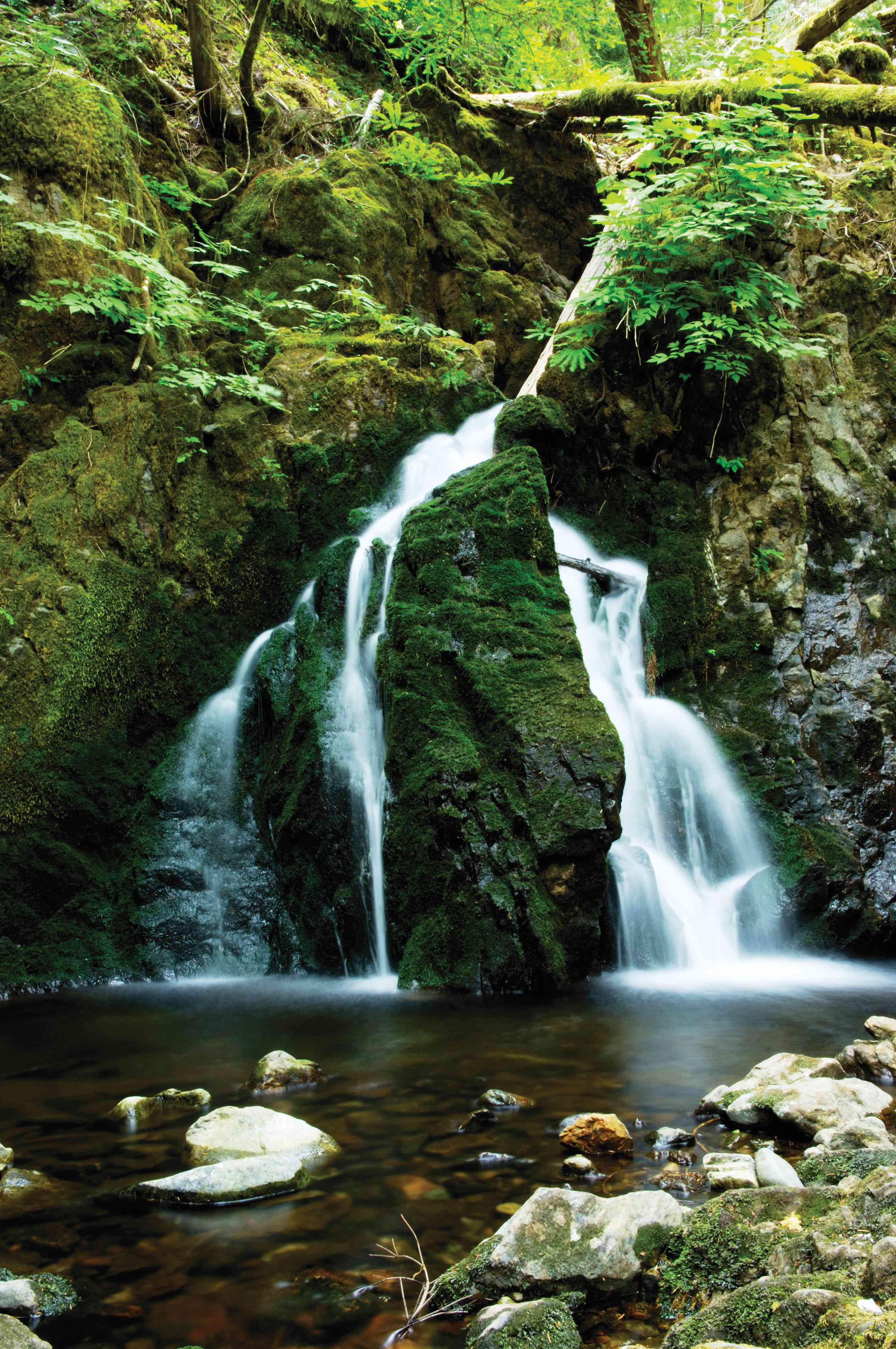
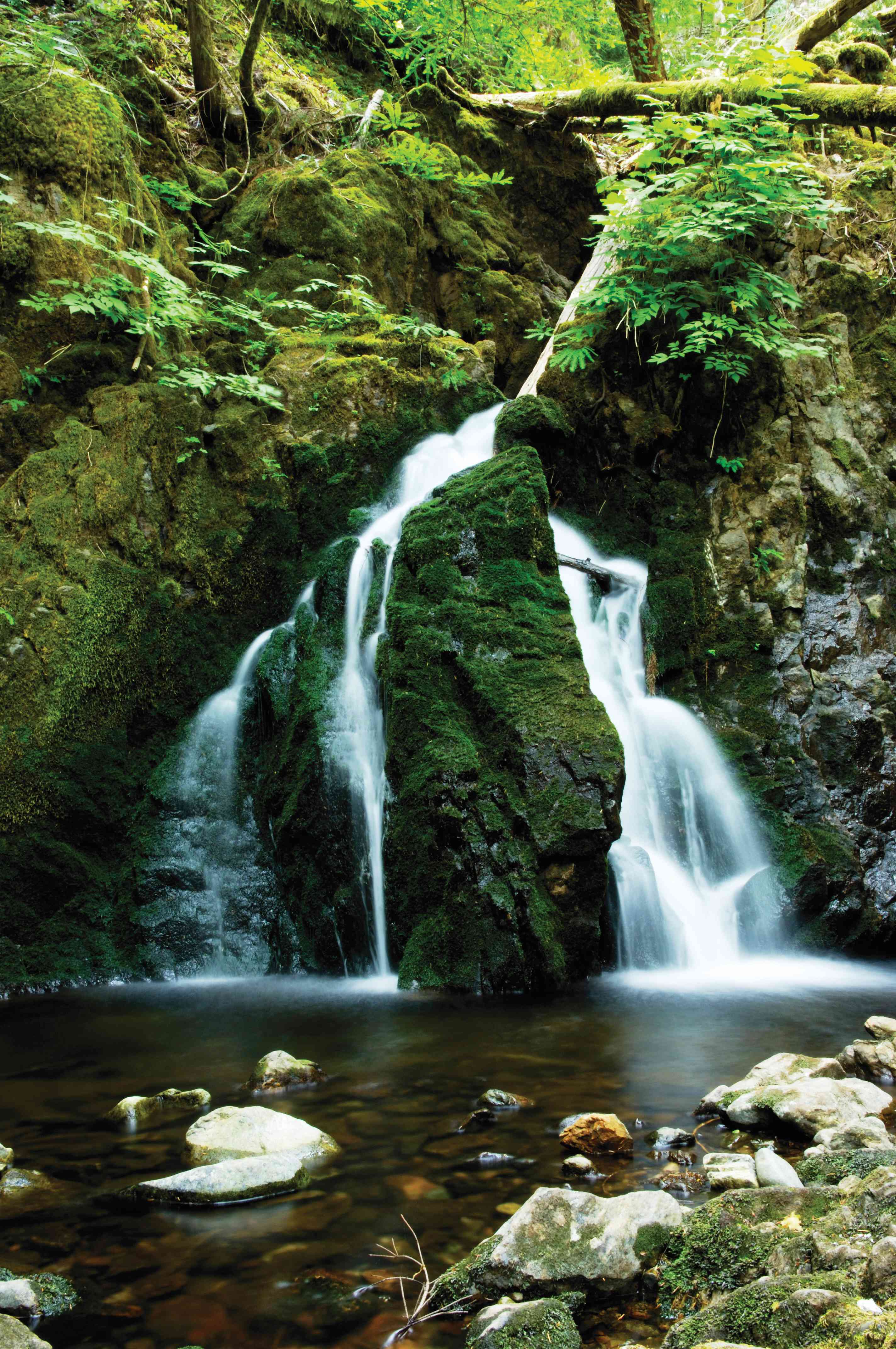
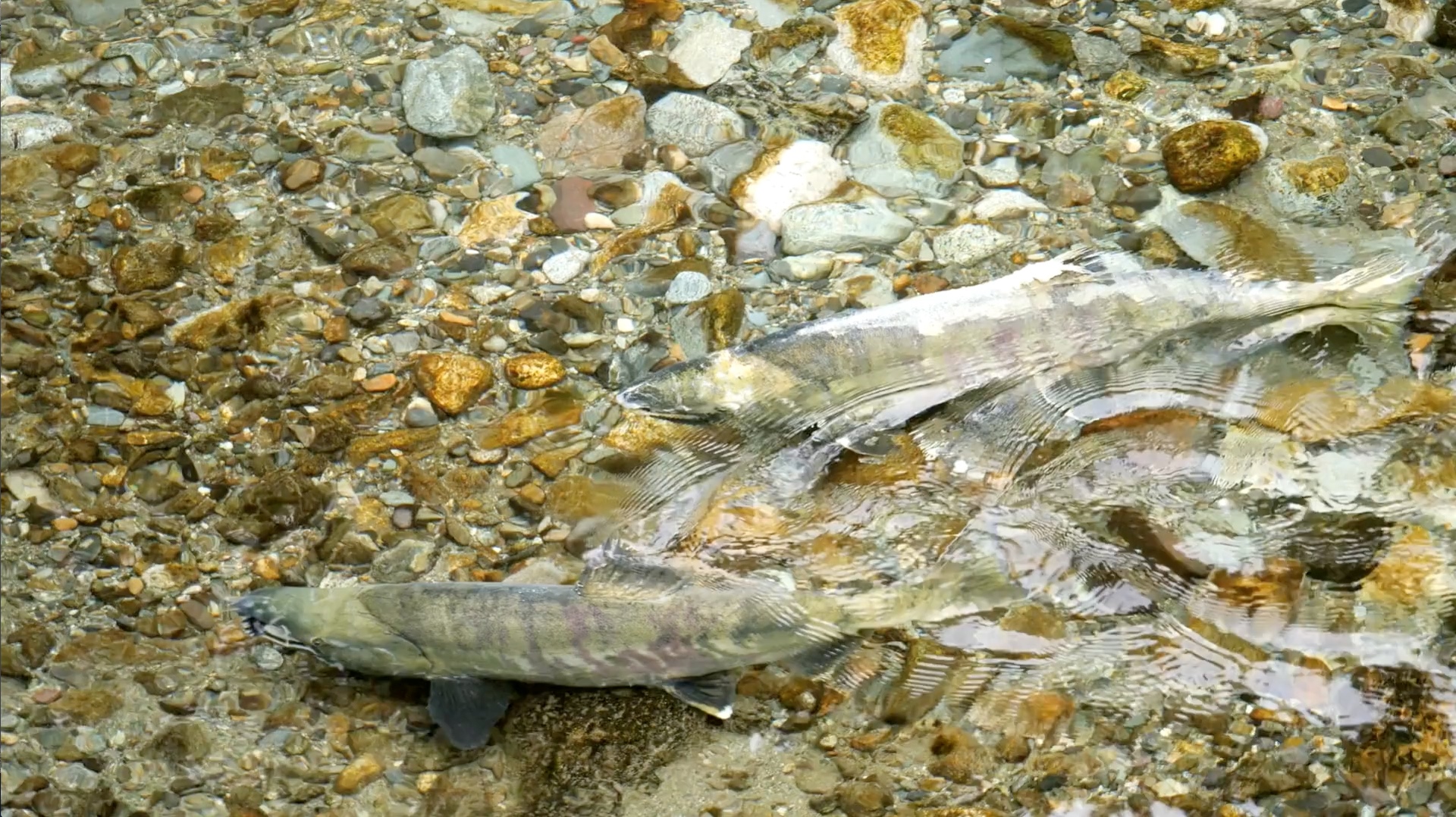
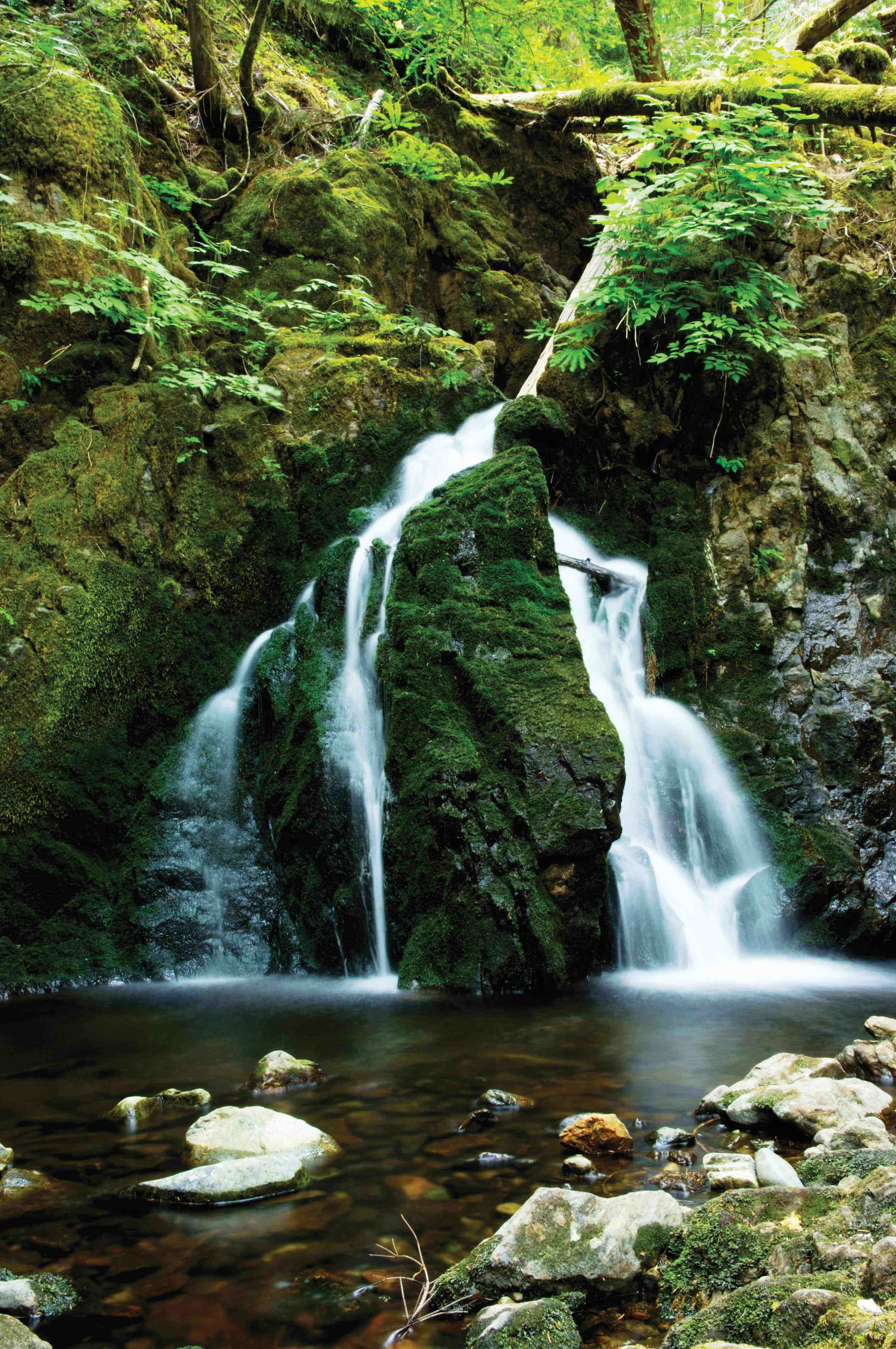
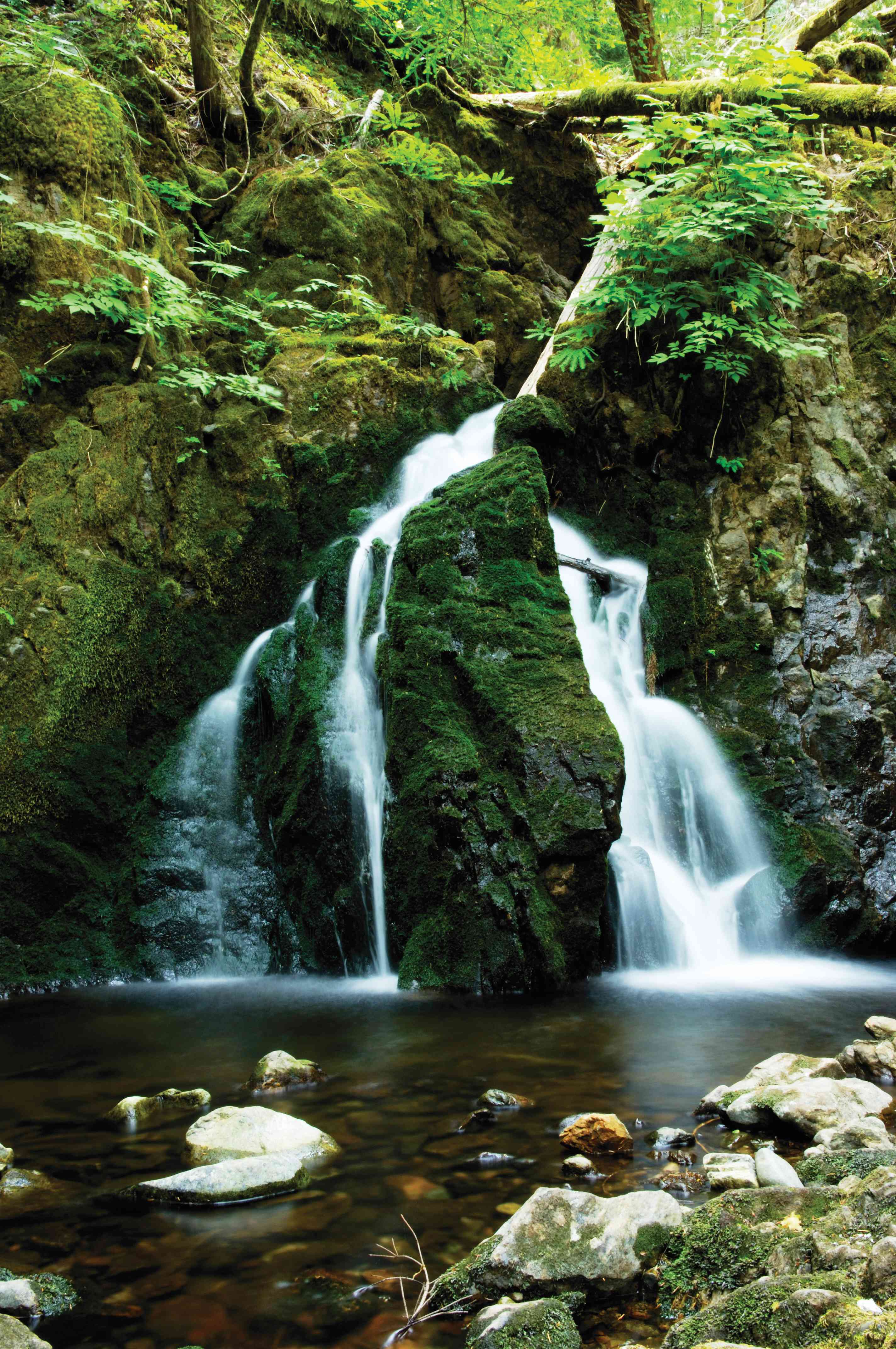
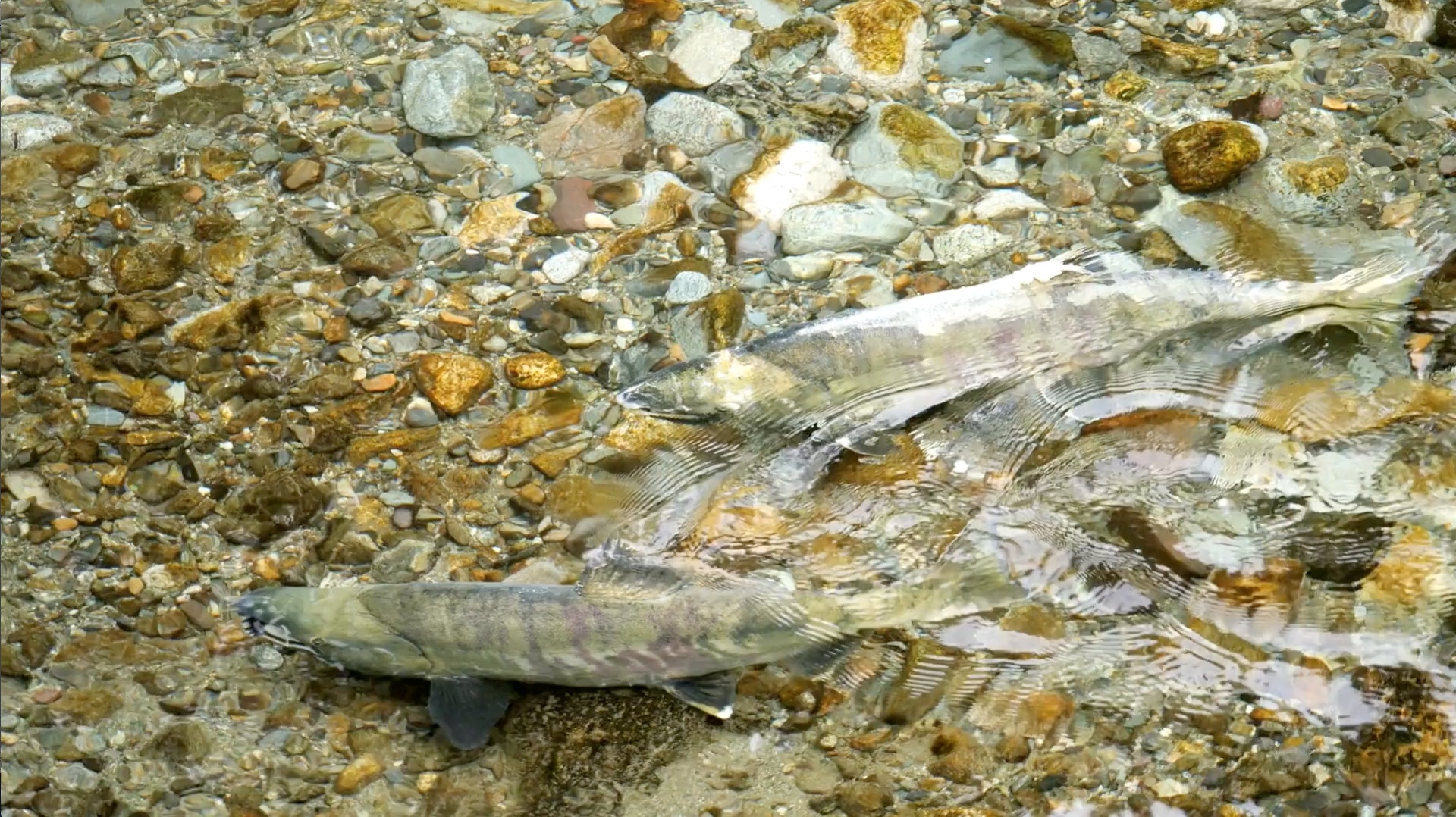
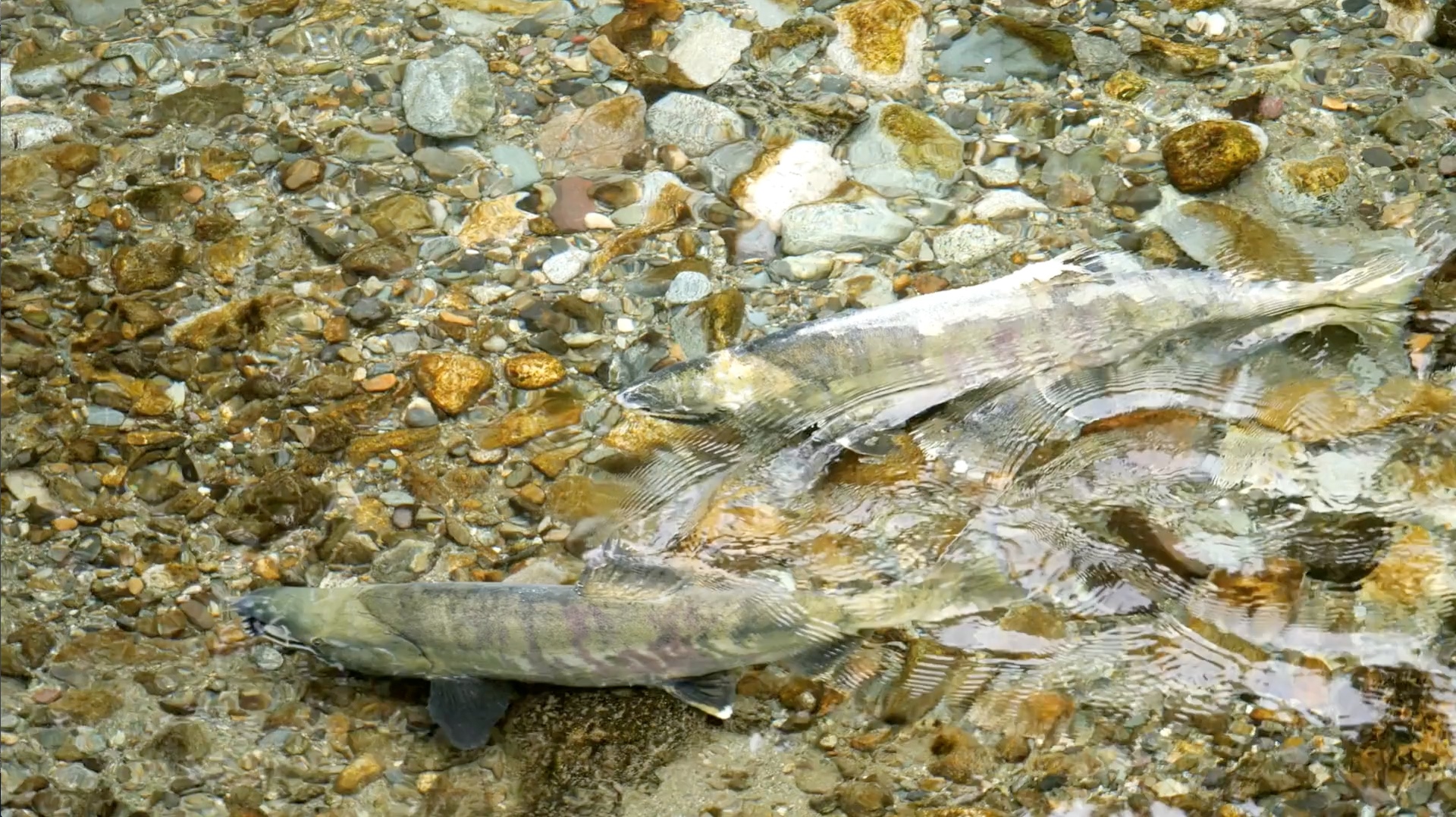
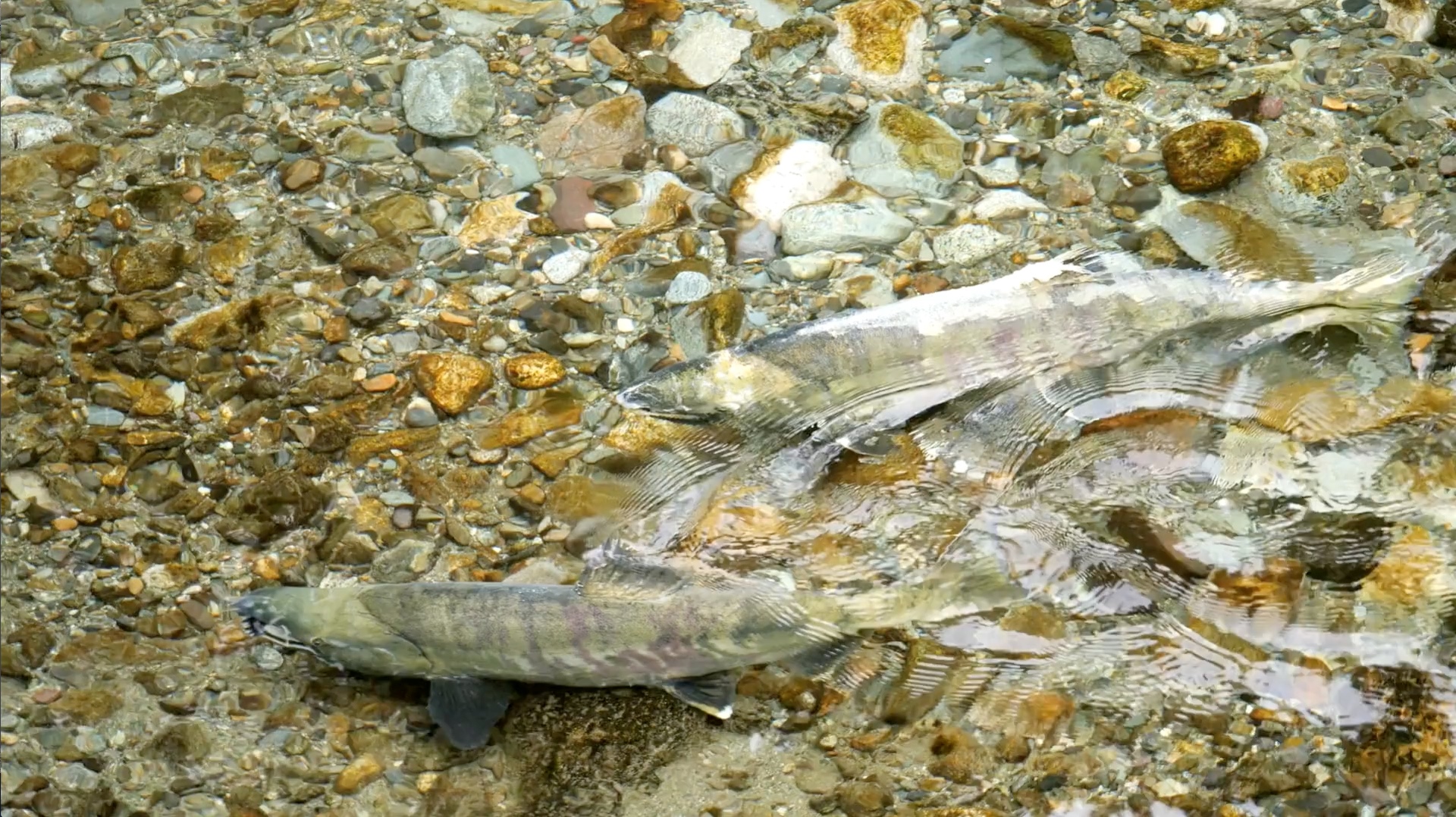
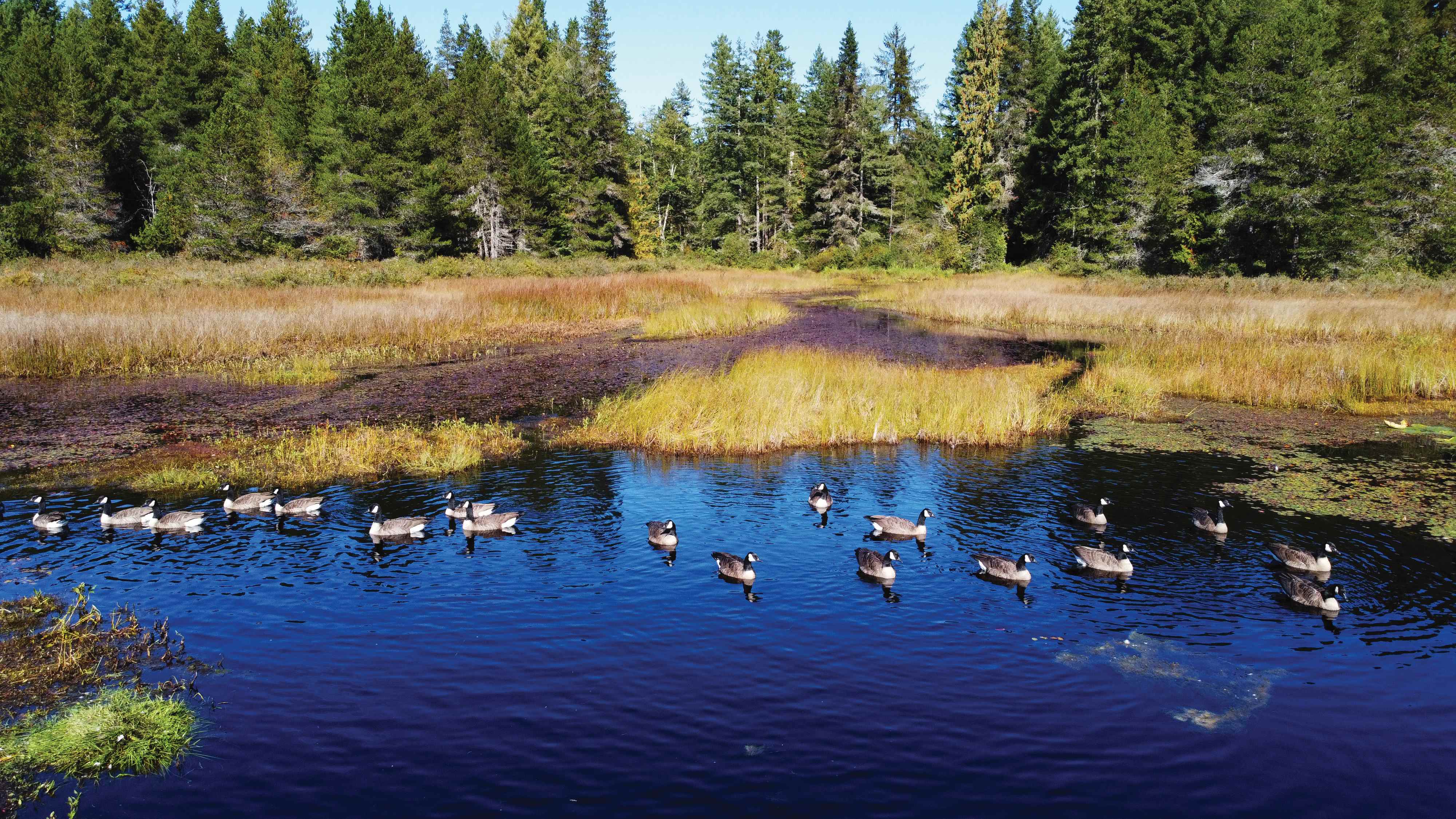
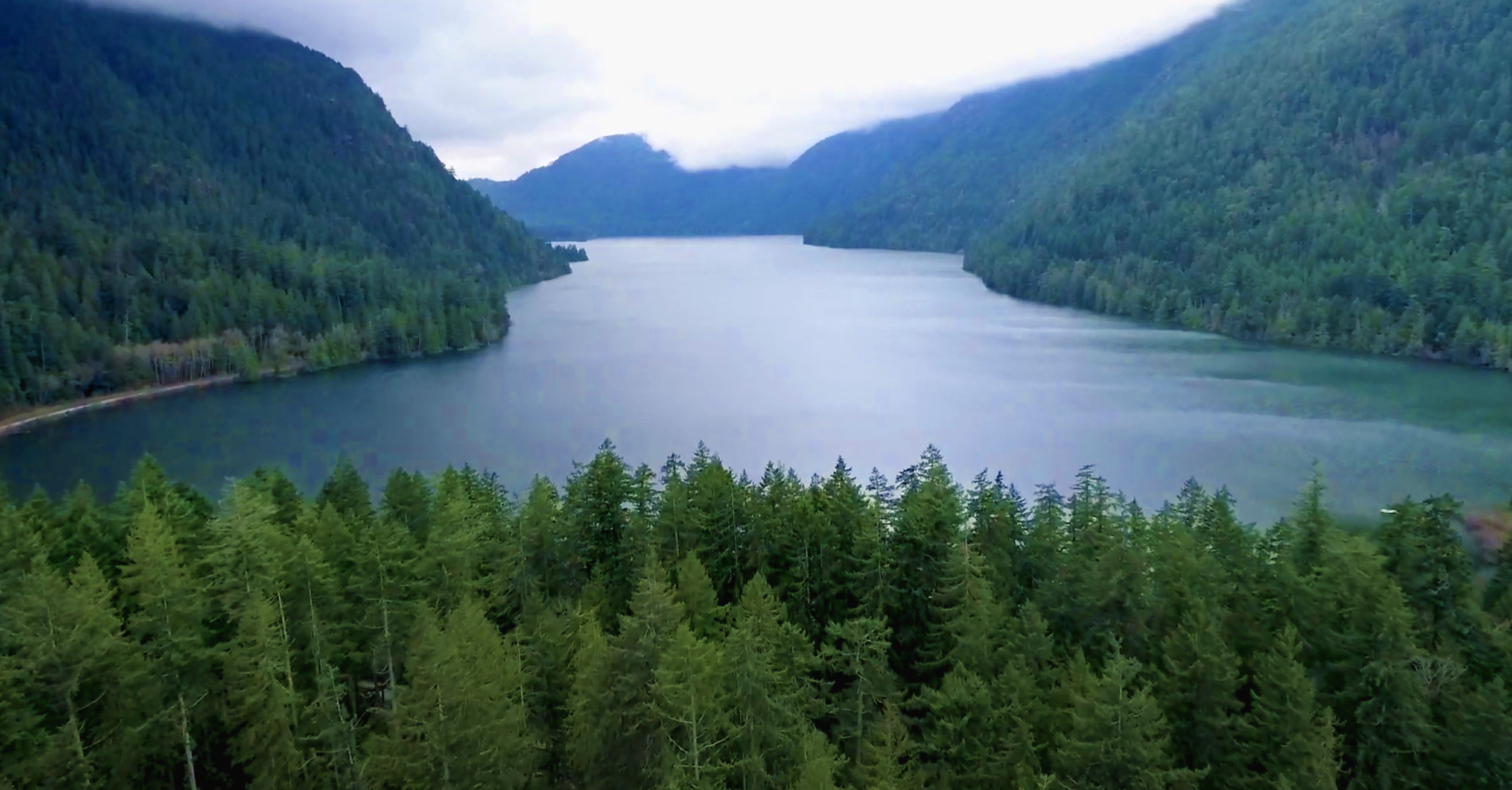
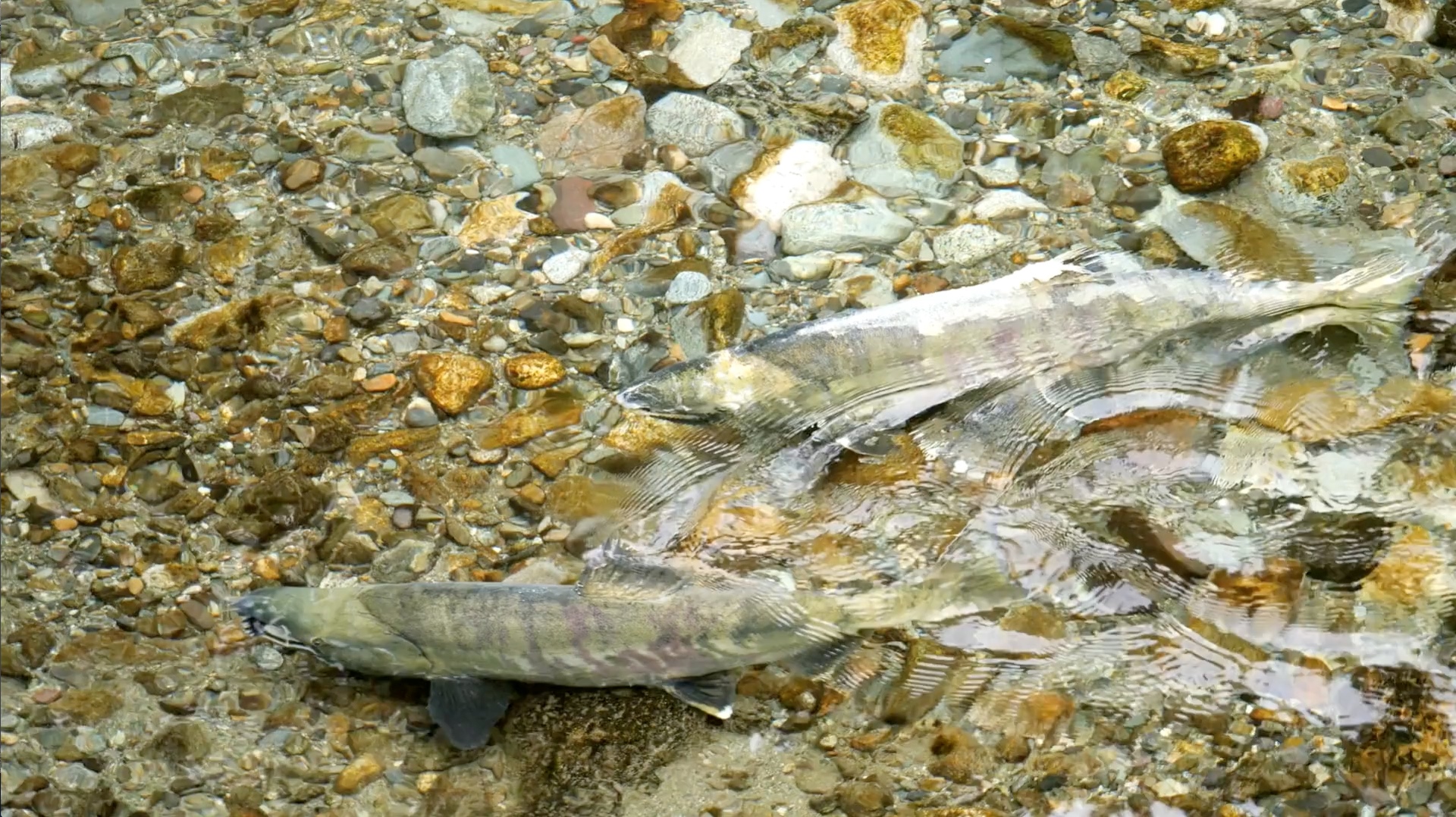
The lands contain important ecosystems, drinking watersheds, and lands with cultural significance to coastal First Nations. A portion of the revenue will flow to our partners, the Indigenous Protected and Conserved Areas (IPCA) Innovation Program and the Pacific Salmon Foundation, to enable cultural and scientific research on and around the project lands.
Project Details
Project Company
Global Forest Support
Project URL
Location
British Columbia, Canada
Project Type
IFM (Improve Forest Management)
Methodology
VM0012
Mechanism
Avoidance
Start Date
April 2023
Verification
First Verifier: SCS Global Services
On-going Validator: SCS Global Services
Standard: VCS
Project Verification & Standards
This project adheres to recognized carbon standards and undergoes third-party validation and verification. These standards help ensure emissions reductions or removals are real, measurable, and traceable.
Sustainable Development Goals
This project contributes to the following United Nations Sustainable Development Goals (SDGs):

Clean water and sanitation
Ensure availability and sustainable management of water and sanitation for all

Responsible consumption and production
Ensure sustainable consumption and production patterns

Climate action
Take urgent action to combat climate change and its impacts
Life below water
Conserve and sustainably use the oceans, seas and marine resources for sustainable development
Life on land
Protect, restore and promote sustainable use of terrestrial ecosystems, sustainably manage forests, combat desertification, and halt and reverse land degradation and halt biodiversity loss
The Sustainable Development Goals are a collection of 17 global goals set by the United Nations General Assembly. This project's contributions to these goals are verified and monitored.
Support this project
Choose how you want to contribute to this verified carbon offset project.
Carbon projects supported by ClimeOne are independently verified but involve estimates and assumptions. Environmental outcomes may vary. Offsetting should be considered one component of a broader sustainability strategy.