
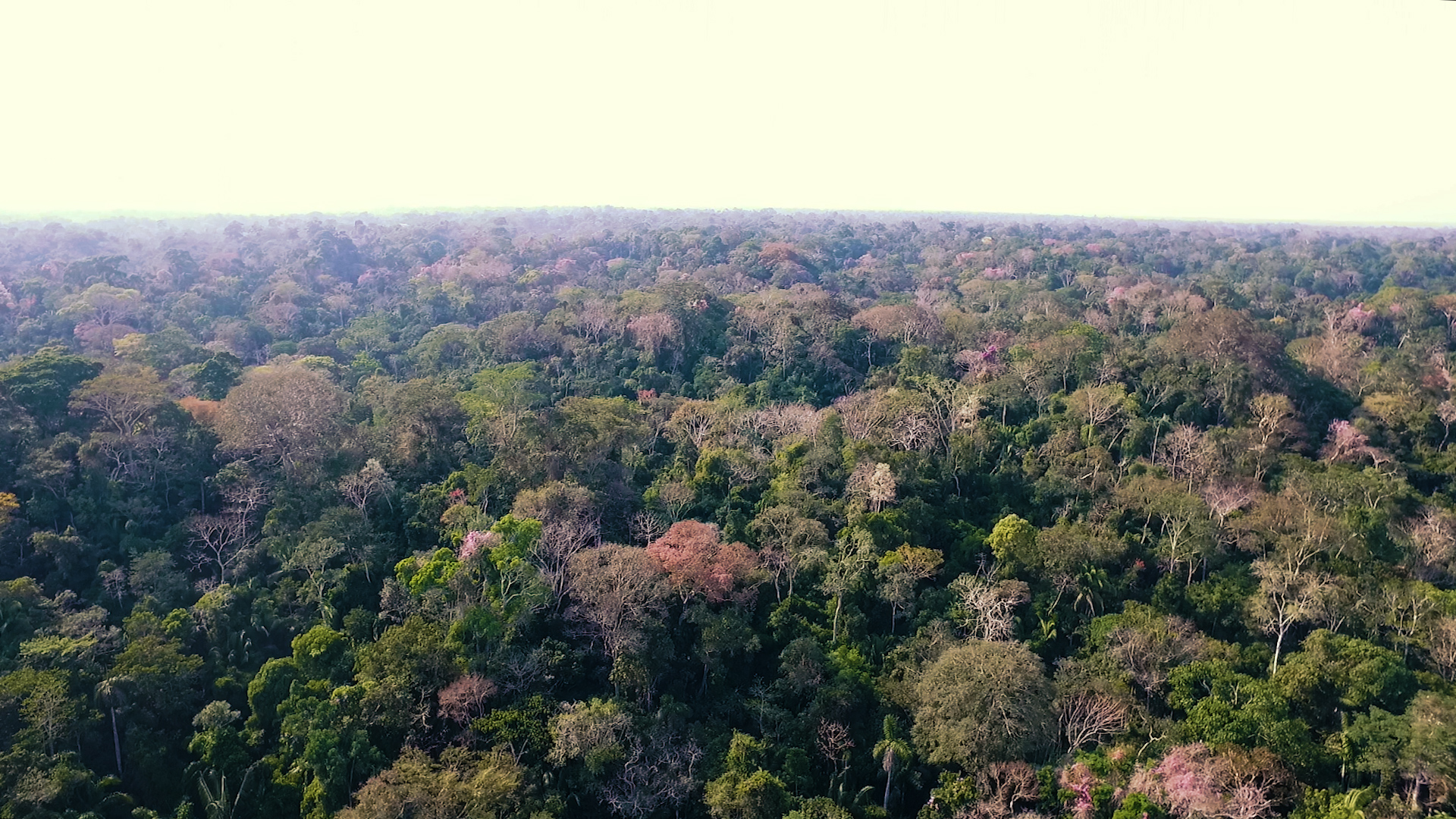
Tahuamanu Amazon REDD Project
The proposed project aims to enhance sustainable forest management in Madre de Dios, Peru, through the efforts of MADERACRE SAC, a company experienced in REDD+ and FSC certified practices. It addresses the increasing threats of deforestation from unsustainable farming practices by implementing strengthened protection measures and collaborative efforts with local authorities and neighboring forest concessions. Additionally, the project promotes alternative income-generating activities for local communities to discourage forest clearing. With these strategies, the project seeks to significantly reduce projected deforestation in a region known for its critical environmental challenges.
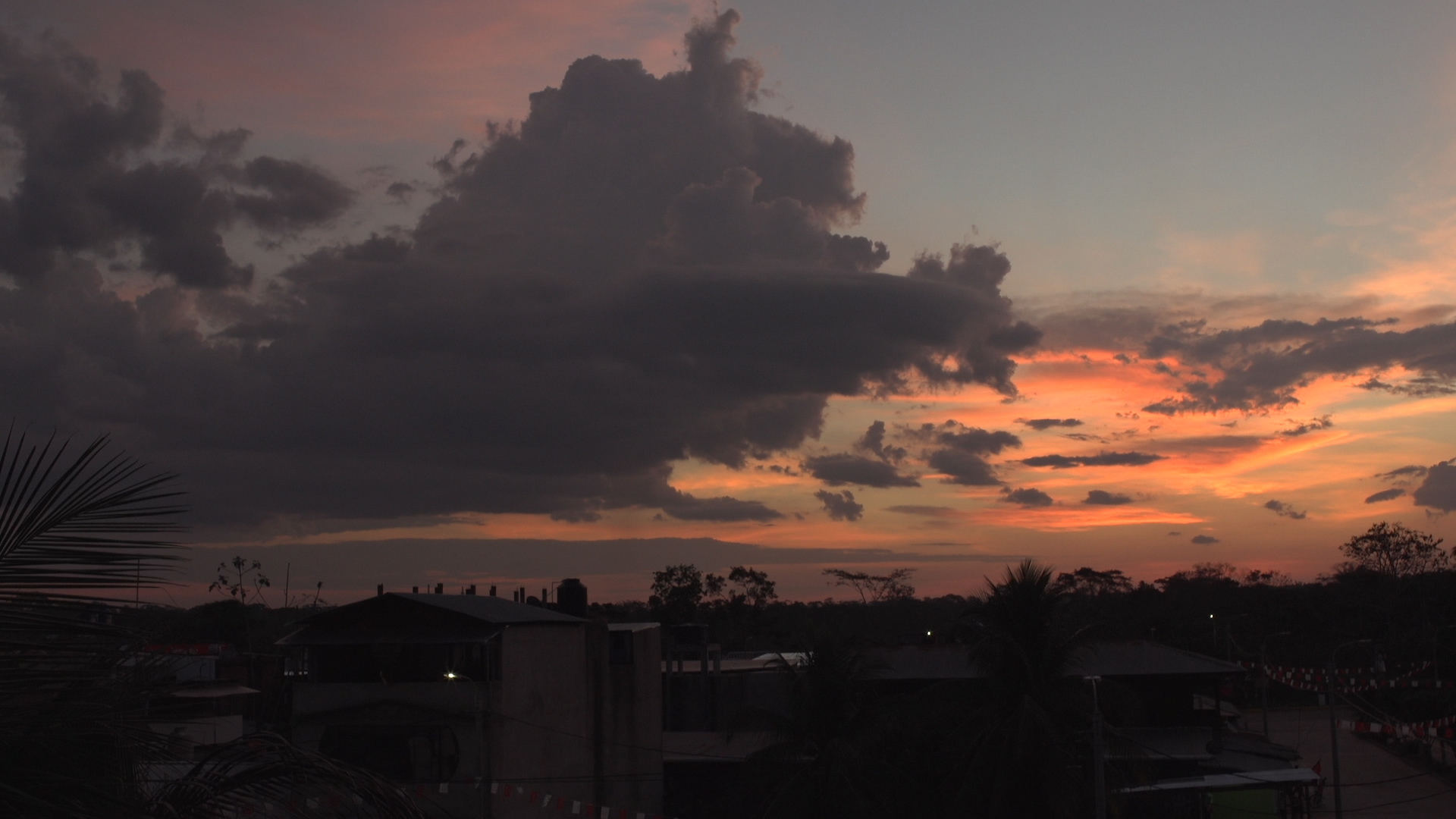
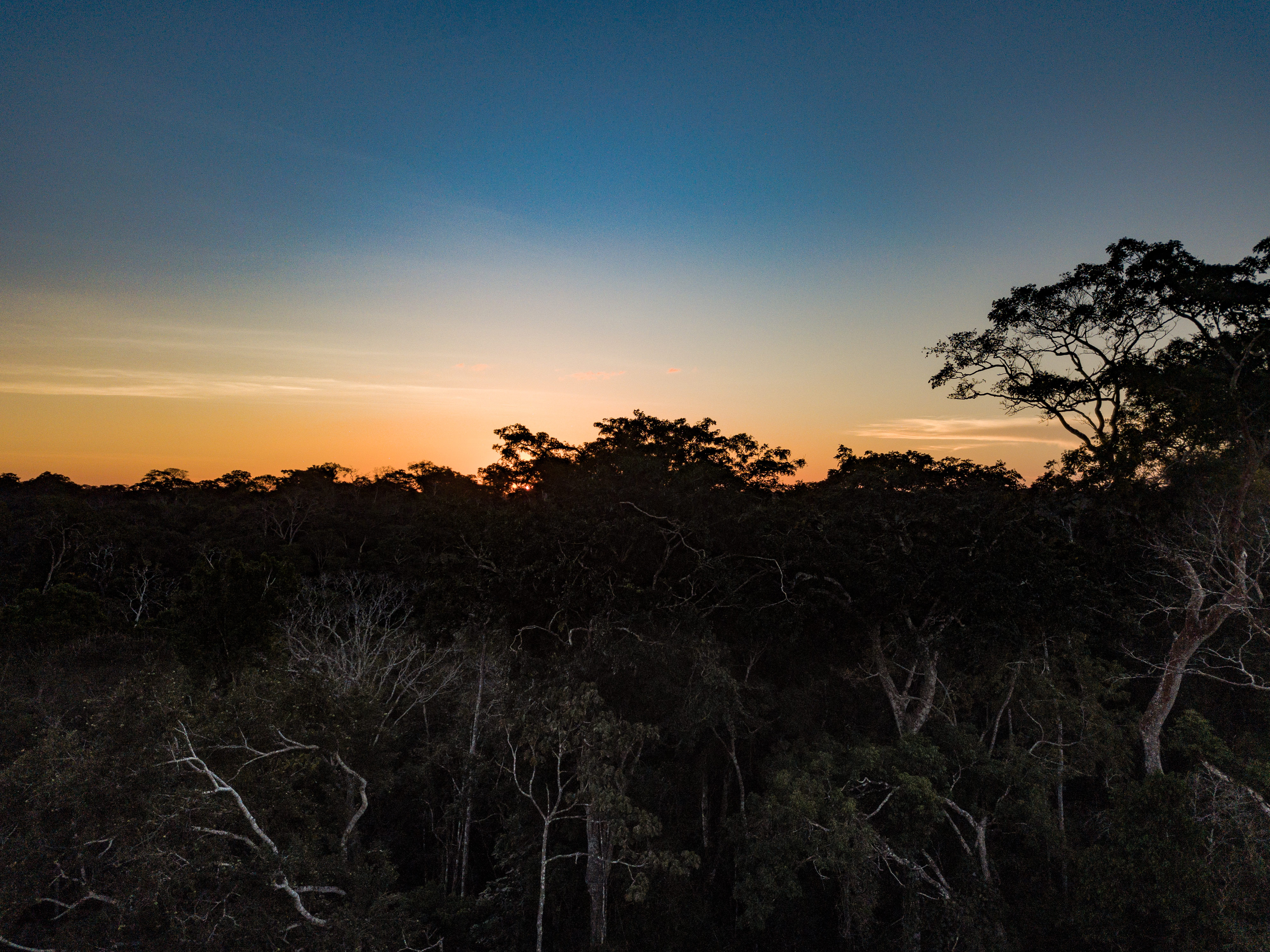
Project Gallery
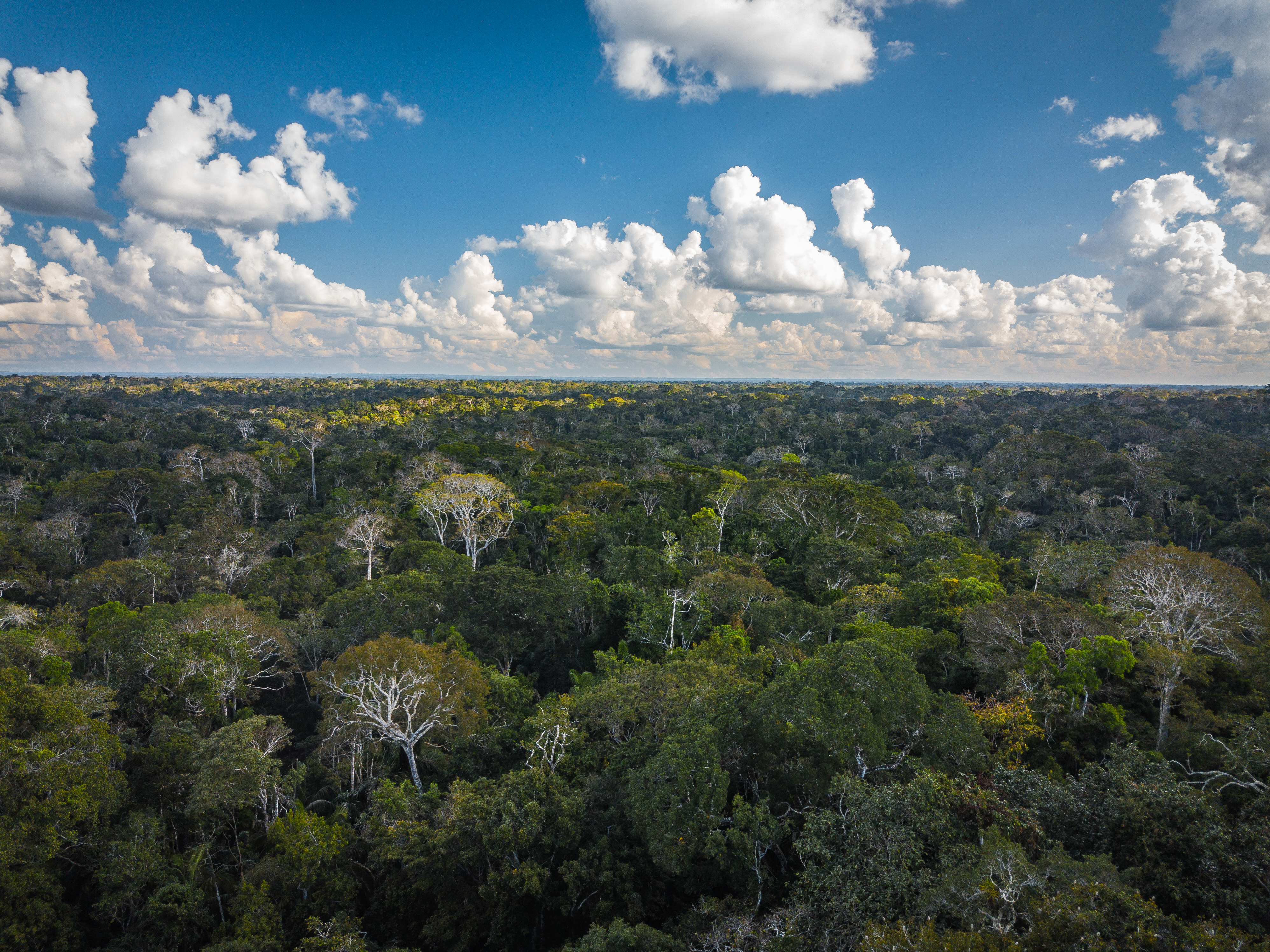
Project Overview
The proposed project is based on the enhancement and strengthening of the sustainable forest management of a consolidated group of forest concessions managed by a local company with long forest tradition, MADERACRE SAC, who also has previous successful experience with REDD+. The whole area managed by MADERACRE SAC, including the current proposed project area and others already VCS/CCB verified, are FSC certified, which guarantees that logging activities are being done under adequate techniques. The area faces increasing threats from unsustainable agrarian practices from neighbouring local religious communities and others. To deal with it, the project plans to combine an increase in protection measures (patrolling, working together with other forest concessions and the forest and political authorities) with the promotion of productive activities for neighbouring communities, as a strategy to offer alternative sources of income that do not imply the clearing of forest areas. Based on this approach, the project expects to reduce projected deforestation. The project is located in Madre de Dios, a region in the south-east of the Peruvian Amazon with the most accelerated deforestation rate of Peru.
Project Details
Project Company
Maderacre SAC
Project URL
Location
Madre de Dios, Peru
Project Type
REDD+(Reducing Emissions from Deforestation and forest Degradation)
Methodology
VM0006
Mechanism
Avoidance
Start Date
September 2023
Verification
First Verifier: AENOR
On-going Validator: AENOR
Standard: VCS
Project Verification & Standards
This project adheres to recognized carbon standards and undergoes third-party validation and verification. These standards help ensure emissions reductions or removals are real, measurable, and traceable.
Sustainable Development Goals
This project contributes to the following United Nations Sustainable Development Goals (SDGs):

No poverty
End poverty in all its forms everywhere
Decent work and economic growth
Promote sustained, inclusive and sustainable economic growth, full and productive employment and decent work for all

Responsible consumption and production
Ensure sustainable consumption and production patterns

Climate action
Take urgent action to combat climate change and its impacts
Life on land
Protect, restore and promote sustainable use of terrestrial ecosystems, sustainably manage forests, combat desertification, and halt and reverse land degradation and halt biodiversity loss

Partnerships for the goals
Strengthen the means of implementation and revitalize the Global Partnership for Sustainable Development
The Sustainable Development Goals are a collection of 17 global goals set by the United Nations General Assembly. This project's contributions to these goals are verified and monitored.
Support this project
Choose how you want to contribute to this verified carbon offset project.
Carbon projects supported by ClimeOne are independently verified but involve estimates and assumptions. Environmental outcomes may vary. Offsetting should be considered one component of a broader sustainability strategy.