
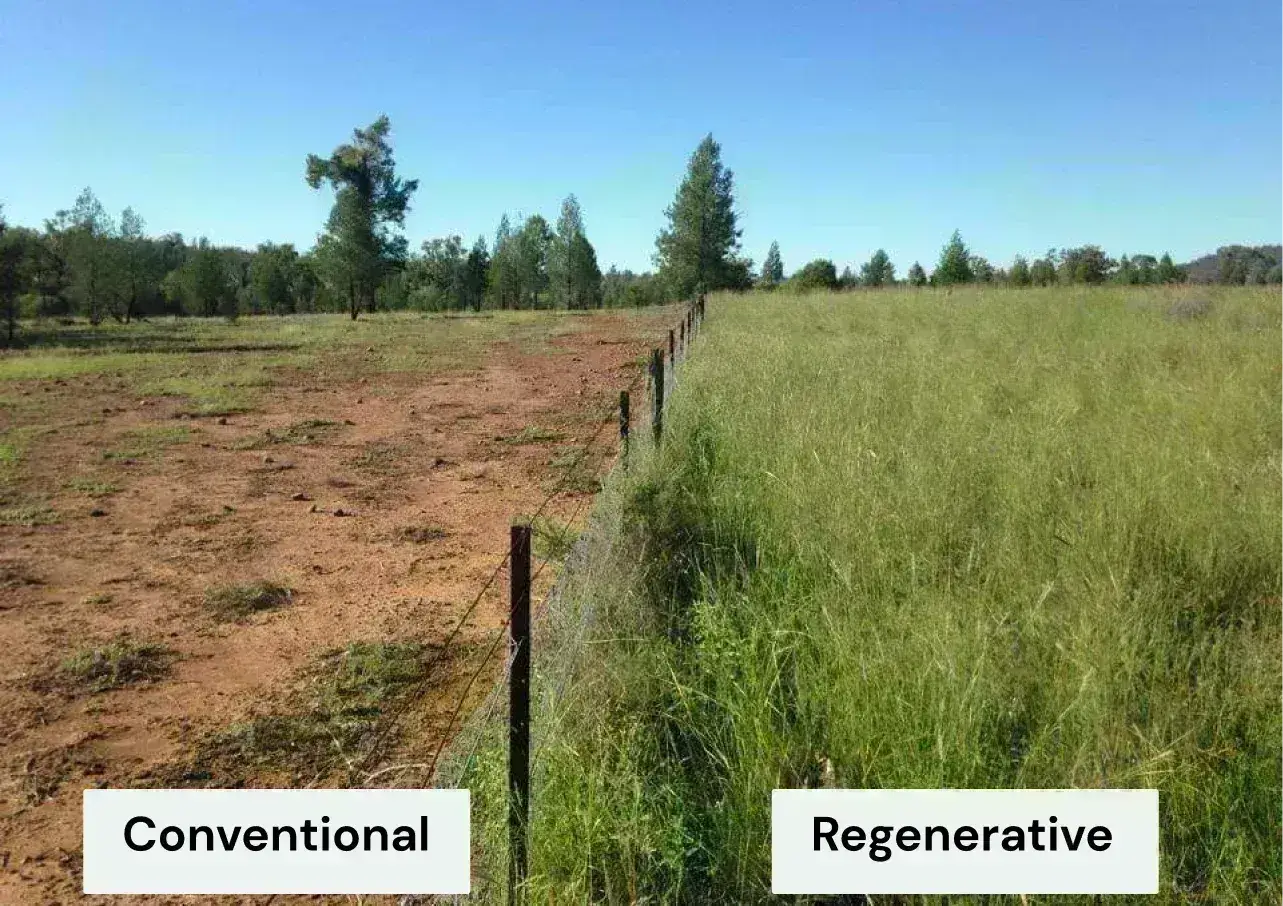
Regenerative Agriculture in the USA
Grassroots Carbon offers a unique opportunity for companies to purchase high-quality carbon removal credits that simultaneously benefit water, ecosystems, and local communities. By partnering with ranchers across 4 million acres of America's grasslands, the project harnesses nature's ability to sequester carbon dioxide through healthy soil, which can store carbon for thousands of years. This initiative not only focuses on effective carbon removal, but also enhances grassland ecology, soil health, and biodiversity. Participating ranchers commit to regenerative practices, receive training and resources, and are compensated based on the verified carbon they sequester, ensuring a sustainable and impactful approach to climate action.
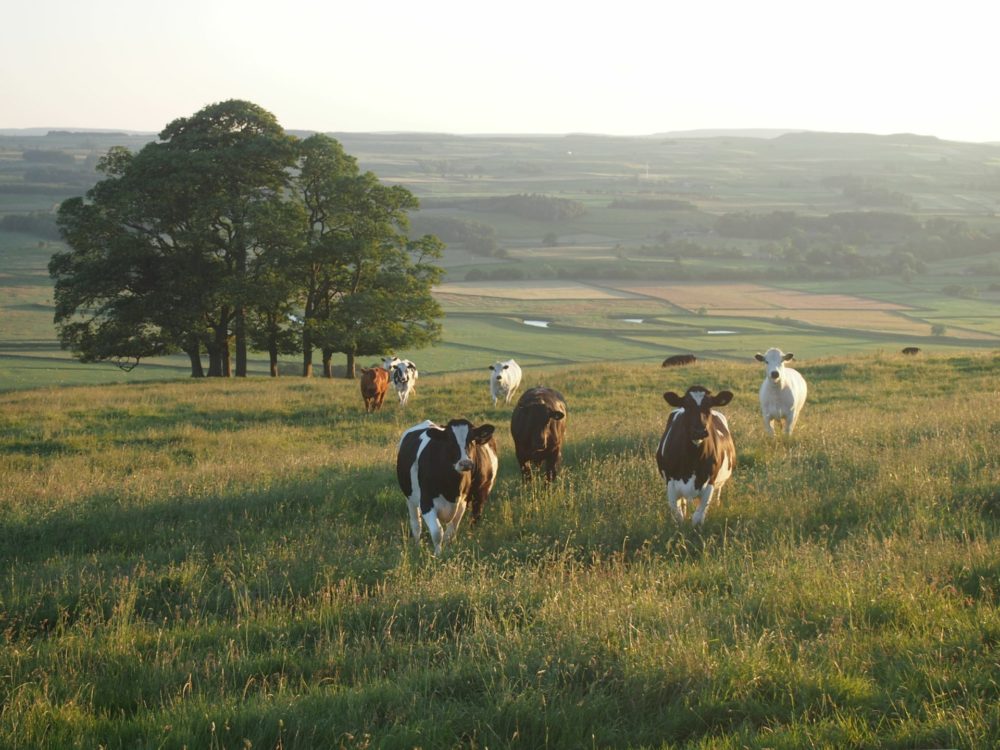
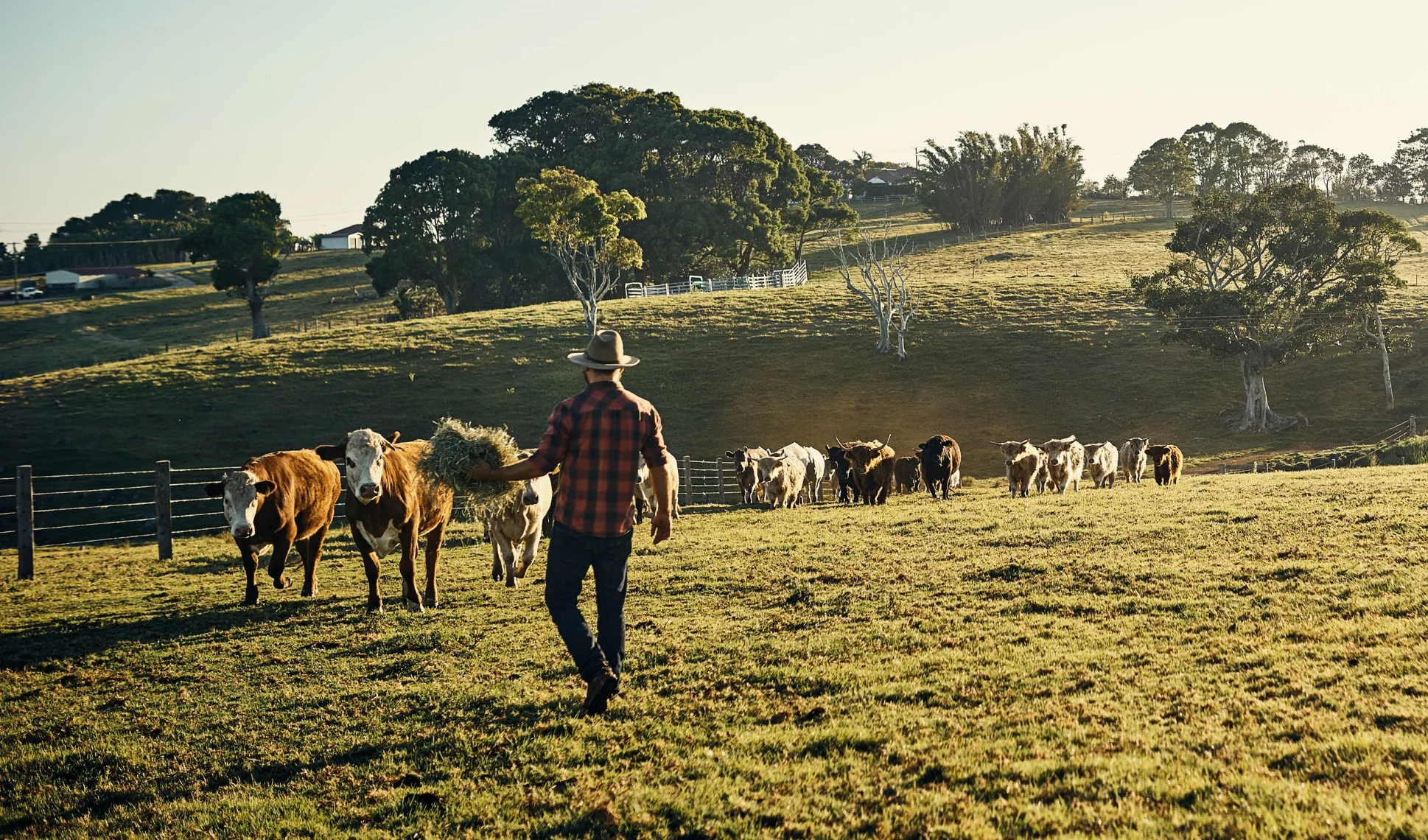
Project Gallery
Project Overview
Are you interested in purchasing high-quality carbon removal credits with water, ecosystem, and community co-benefits?
Grassroots Carbon combines cutting-edge science and climate technology with ranchers regenerating America’s grasslands to help your company achieve its climate targets.
Nature has the power to remove gigatons of carbon dioxide from the atmosphere today - and healthy soil underpins nature’s ability to do so. America’s grasslands have the capacity to store a quarter of all US carbon dioxide emissions and deliver impactful co-benefits. Carbon sequestered in grassland root systems can remain in the soil for thousands of years. It is the most effective atmospheric carbon removal solution, with incredible impacts far beyond just carbon, including grassland ecology regeneration, soil health, soil water storage, and biodiversity. Grassroots Carbon can tap into its network of thousands of ranchers representing 4 million acres across the US to remove tons of CO2 from the atmosphere at scale every year.
How the program works:
- 1. Land stewards commit to regenerative ranching practices to sequester greater amounts of soil carbon
- 2. They receive training and free PastureMap application for land management
- 3. Their results are verified with actual 3' deep soil samples and certified against the Regenerative Standard founded on recognized standards specifically for grazing lands. Based on their impact, they are paid annually and receive 80% of the credit sale proceeds.
Project Details
Project Company
Grassroots Carbon
Project URL
Location
Kansas, United States
Project Type
Regenerative Agriculture
Methodology
VM0021
Mechanism
Removal
Start Date
September 2023
Verification
First Verifier: Ruby Canyon Environment
On-going Validator: Ruby Canyon
Standard: Regen Standard (Regenerative Standard)
Project Verification & Standards
This project adheres to recognized carbon standards and undergoes third-party validation and verification. These standards help ensure emissions reductions or removals are real, measurable, and traceable.
Sustainable Development Goals
This project contributes to the following United Nations Sustainable Development Goals (SDGs):

Industry, innovation and infrastructure
Build resilient infrastructure, promote inclusive and sustainable industrialization and foster innovation

Sustainable cities and communities
Make cities and human settlements inclusive, safe, resilient and sustainable

Responsible consumption and production
Ensure sustainable consumption and production patterns

Climate action
Take urgent action to combat climate change and its impacts

Life on land
Protect, restore and promote sustainable use of terrestrial ecosystems, sustainably manage forests, combat desertification, and halt and reverse land degradation and halt biodiversity loss
The Sustainable Development Goals are a collection of 17 global goals set by the United Nations General Assembly. This project's contributions to these goals are verified and monitored.
Support this project
Choose how you want to contribute to this verified carbon offset project.
Carbon projects supported by ClimeOne are independently verified but involve estimates and assumptions. Environmental outcomes may vary. Offsetting should be considered one component of a broader sustainability strategy.