
Pina Earth: Creating a climate-resilient forest in Germany, Bavaria & Baden-Wurttemberg - Lindorf
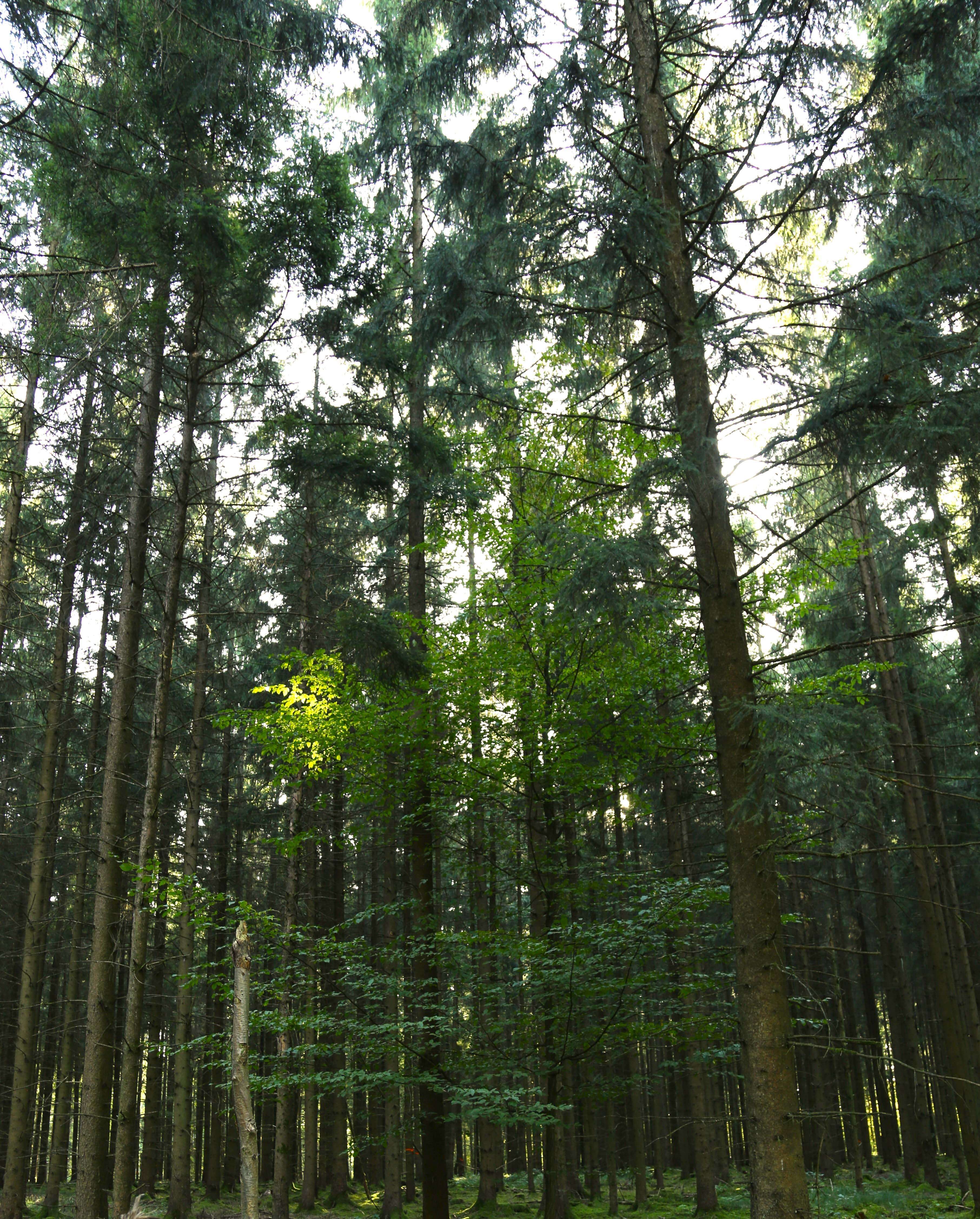
The Lindorf project focuses on transforming over 318 hectares of monoculture spruce forests in Bavaria and Baden-Württemberg into biodiverse, climate-resilient forests. This initiative addresses the urgent climate risks faced by European forests, which have seen significant tree mortality due to pests and extreme weather. By planting diverse tree species and supporting natural rejuvenation, the project is expected to avoid and remove over 24,000 tons of CO₂ emissions over the next 30 years. Ultimately, Lindorf enhances biodiversity, promotes regional climate protection, and supports the goals of the Paris Agreement.
Project Gallery
Project Overview
European forests face imminent climate risks as they largely consist of monocultures heavily affected by bark beetles, droughts, and storms.
More than half a million hectares of forest in Germany have died since 2018. And it's not just Germany – more than 60% of the trees in all of Europe are in danger today due to climate change.
Tackling this challenge requires turning endangered monocultures into climate-resilient, biodiverse forests - a process called ‘forest adaptation’.
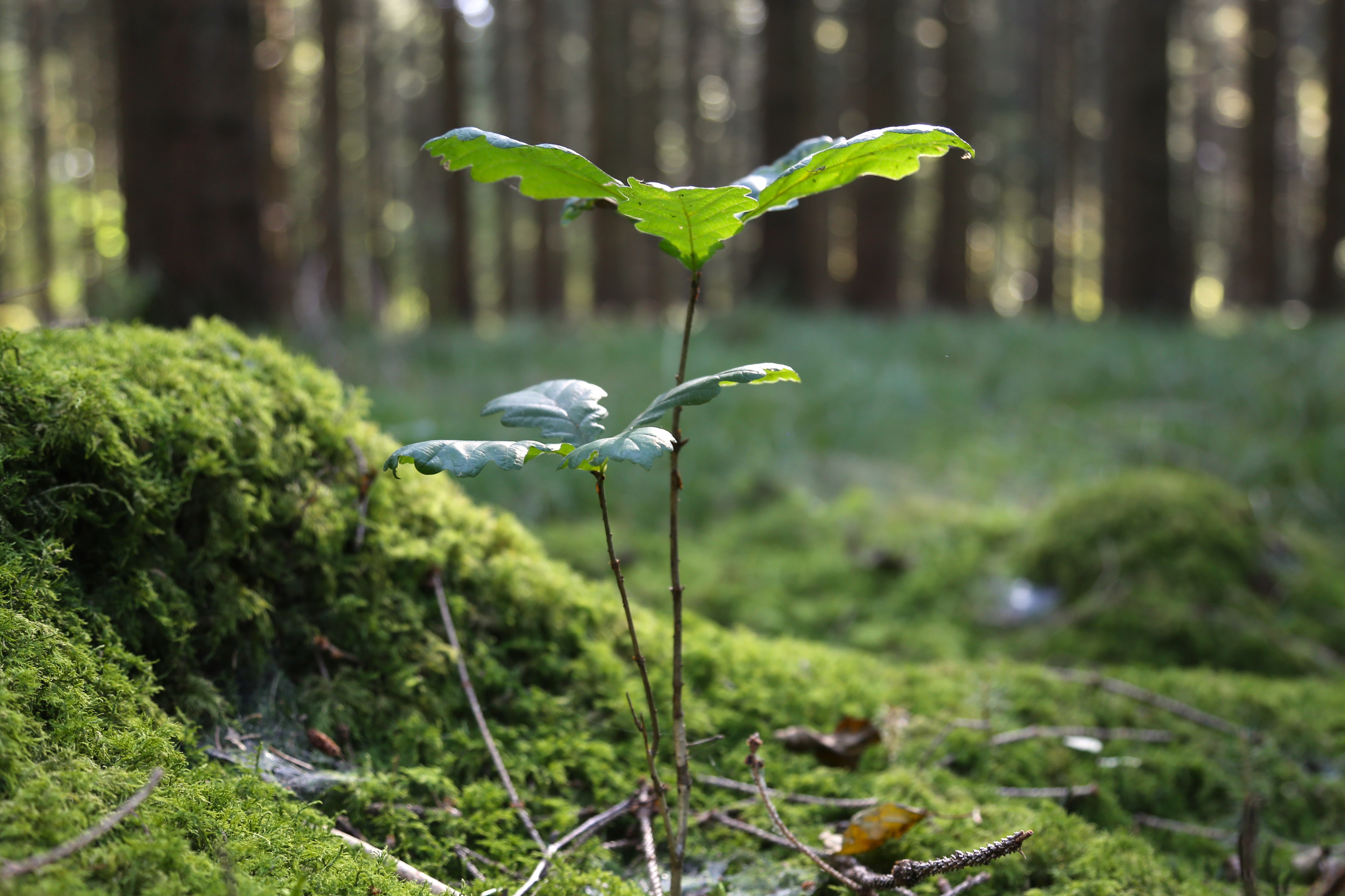
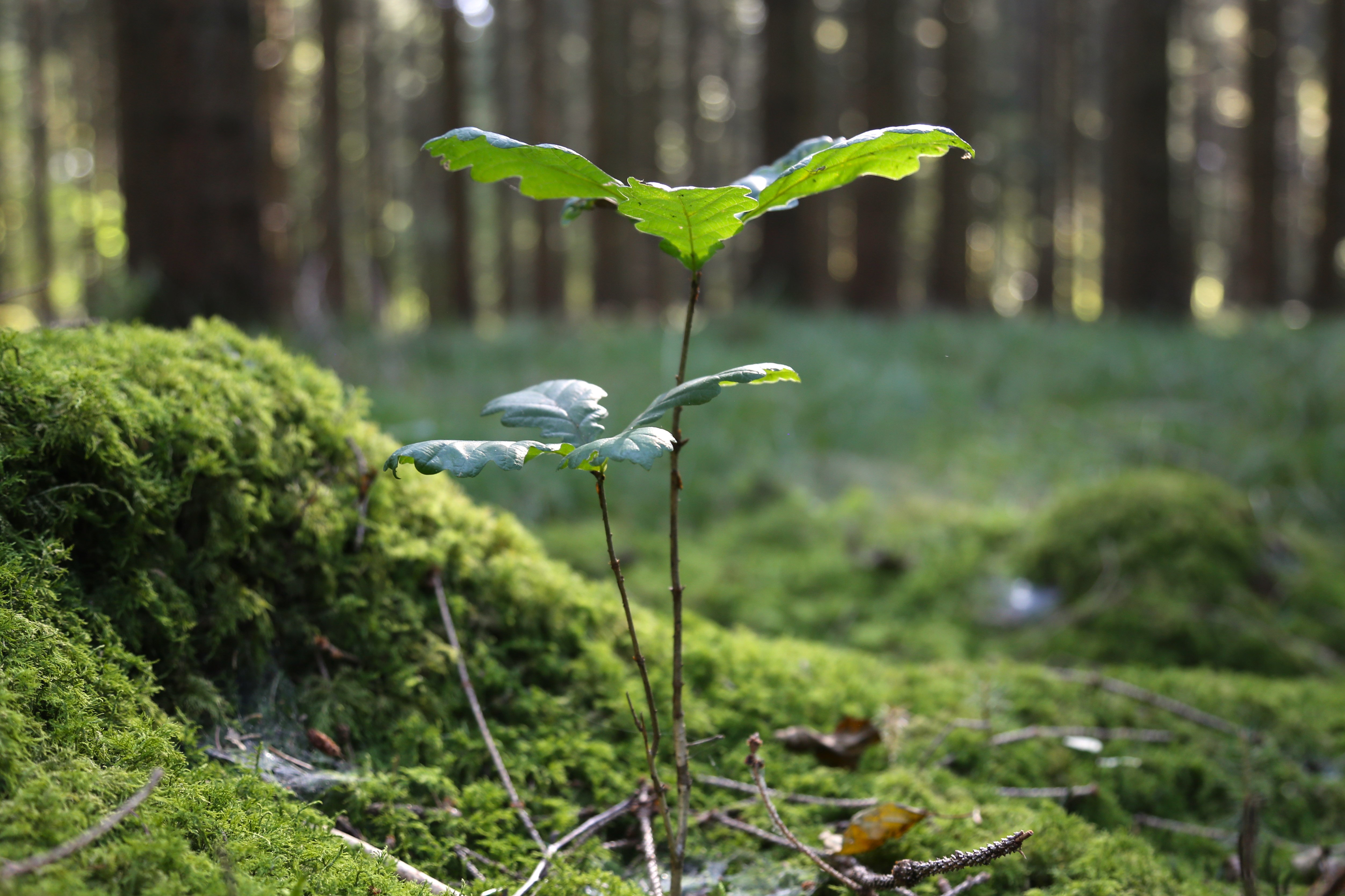
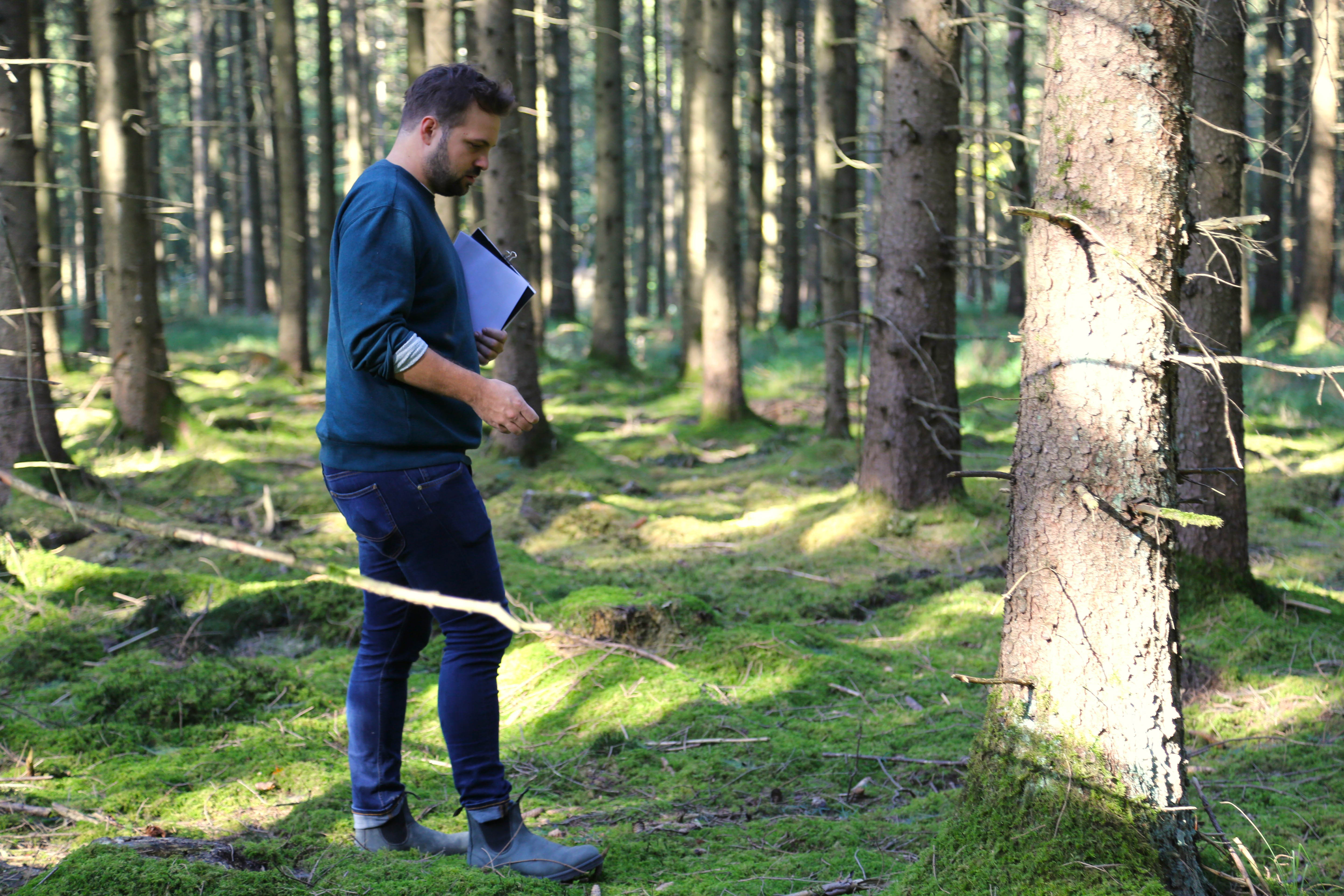
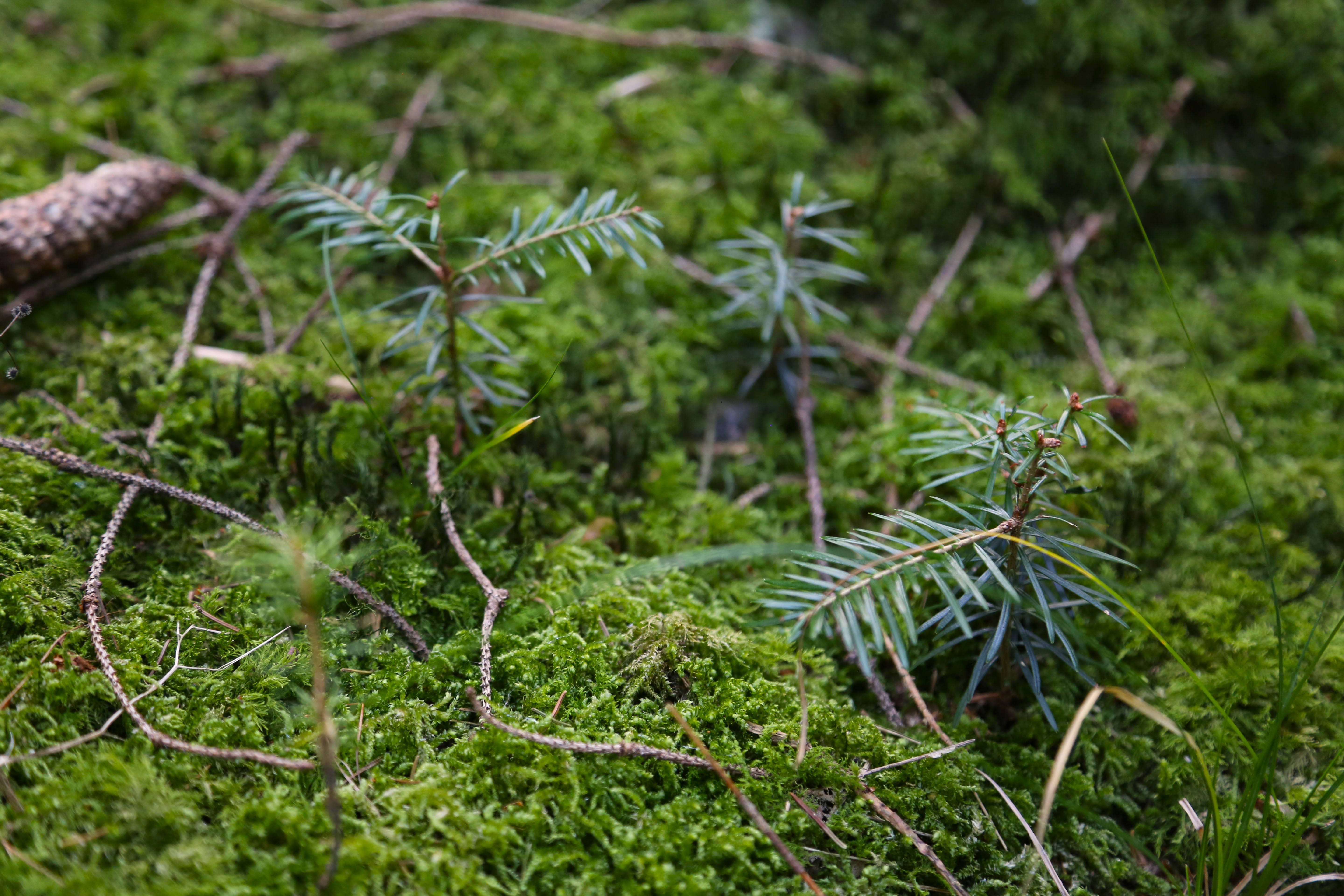
In the climate project “Lindorf“, Pina Earth transforms over 318 hectares made up of 81% uniform spruce forest in Bavaria and Baden-Wurttemberg into a near-natural biodiverse forest. By doing so, the project avoids and removes over 24,000 tons of CO₂ emissions over 30 years from the atmosphere, preparing the forest for future climatic conditions.
The following activities are financed and implemented as part of the climate project:
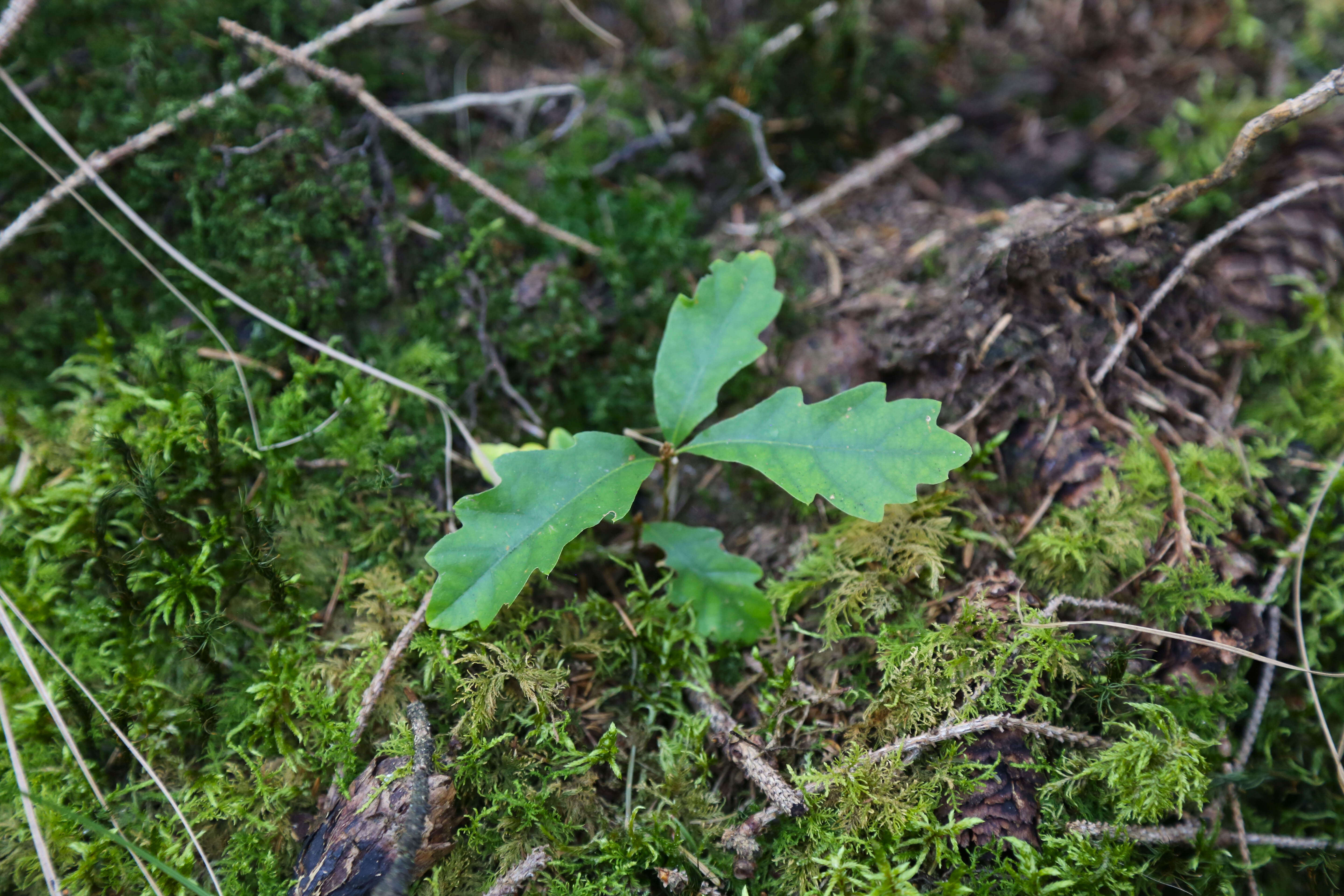
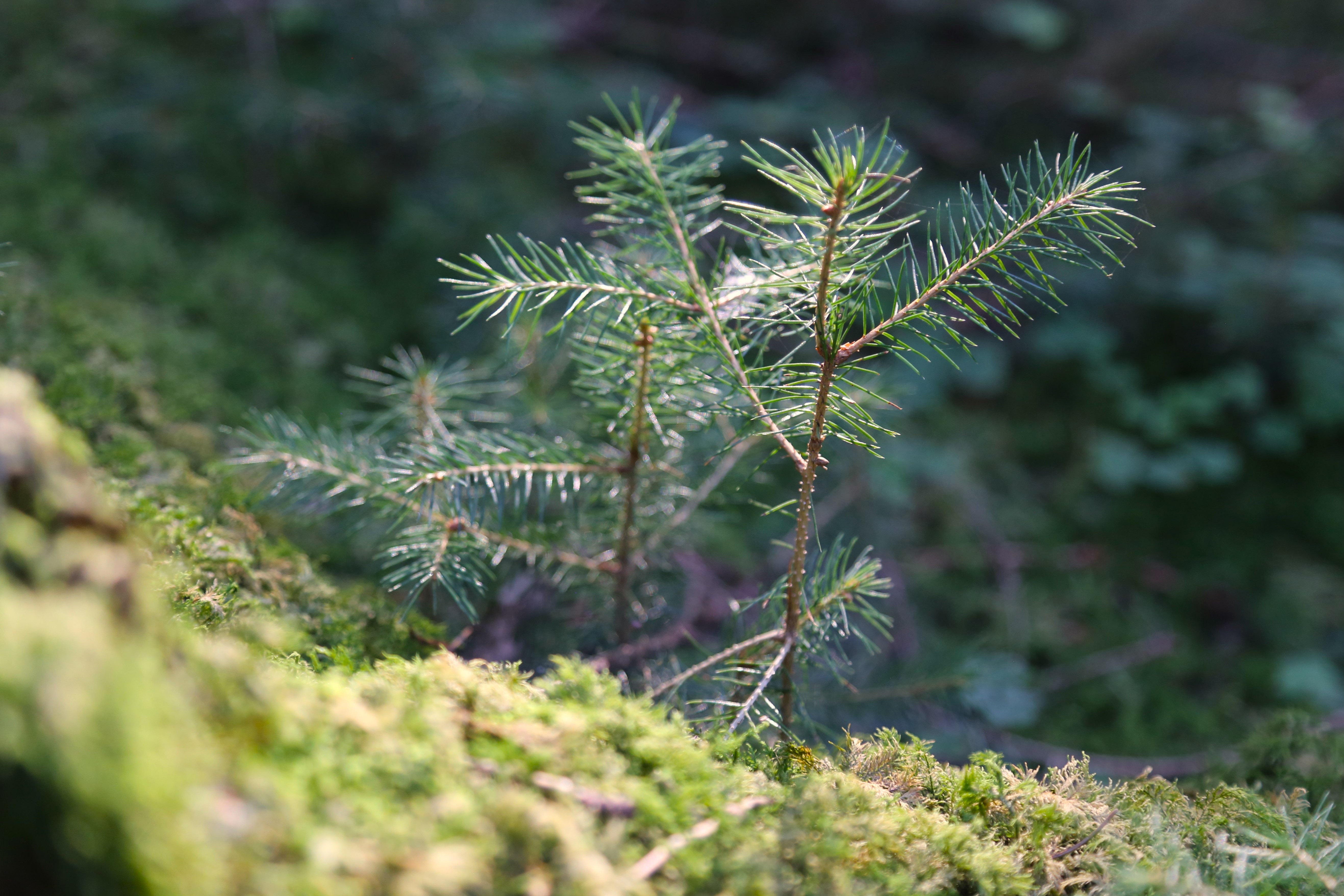
1) planting multiple diverse, climate-resilient tree species such as silver and douglas fir, linden, hornbeam, oak and maple,
2) supporting the natural rejuvenation of young trees,
3) improving wildlife management
By implementing these activities, the Lindorf project drives regional climate protection, while strengthening biodiversity and contributing to society reaching the Paris Agreement.
Project Details
Project Company
Pina Earth
Project URL
Location
Bavaria, Germany
Project Type
Ecosystem Restoration
Methodology
Ecosystem restoration
Mechanism
Removal
Start Date
April 2024
Verification
First Verifier: TÜV-NORD
On-going Validator: TÜV-Nord
Standard: ISO 14064-2
Project Verification & Standards
This project adheres to recognized carbon standards and undergoes third-party validation and verification. These standards help ensure emissions reductions or removals are real, measurable, and traceable.
Sustainable Development Goals
This project contributes to the following United Nations Sustainable Development Goals (SDGs):

Good health and well-being
Ensure healthy lives and promote well-being for all at all ages

Quality Education
Ensure inclusive and equitable quality education and promote lifelong learning opportunities for all

Clean water and sanitation
Ensure availability and sustainable management of water and sanitation for all

Responsible consumption and production
Ensure sustainable consumption and production patterns

Climate action
Take urgent action to combat climate change and its impacts

Life on land
Protect, restore and promote sustainable use of terrestrial ecosystems, sustainably manage forests, combat desertification, and halt and reverse land degradation and halt biodiversity loss
The Sustainable Development Goals are a collection of 17 global goals set by the United Nations General Assembly. This project's contributions to these goals are verified and monitored.
Support this project
Choose how you want to contribute to this verified carbon offset project.
Carbon projects supported by ClimeOne are independently verified but involve estimates and assumptions. Environmental outcomes may vary. Offsetting should be considered one component of a broader sustainability strategy.