
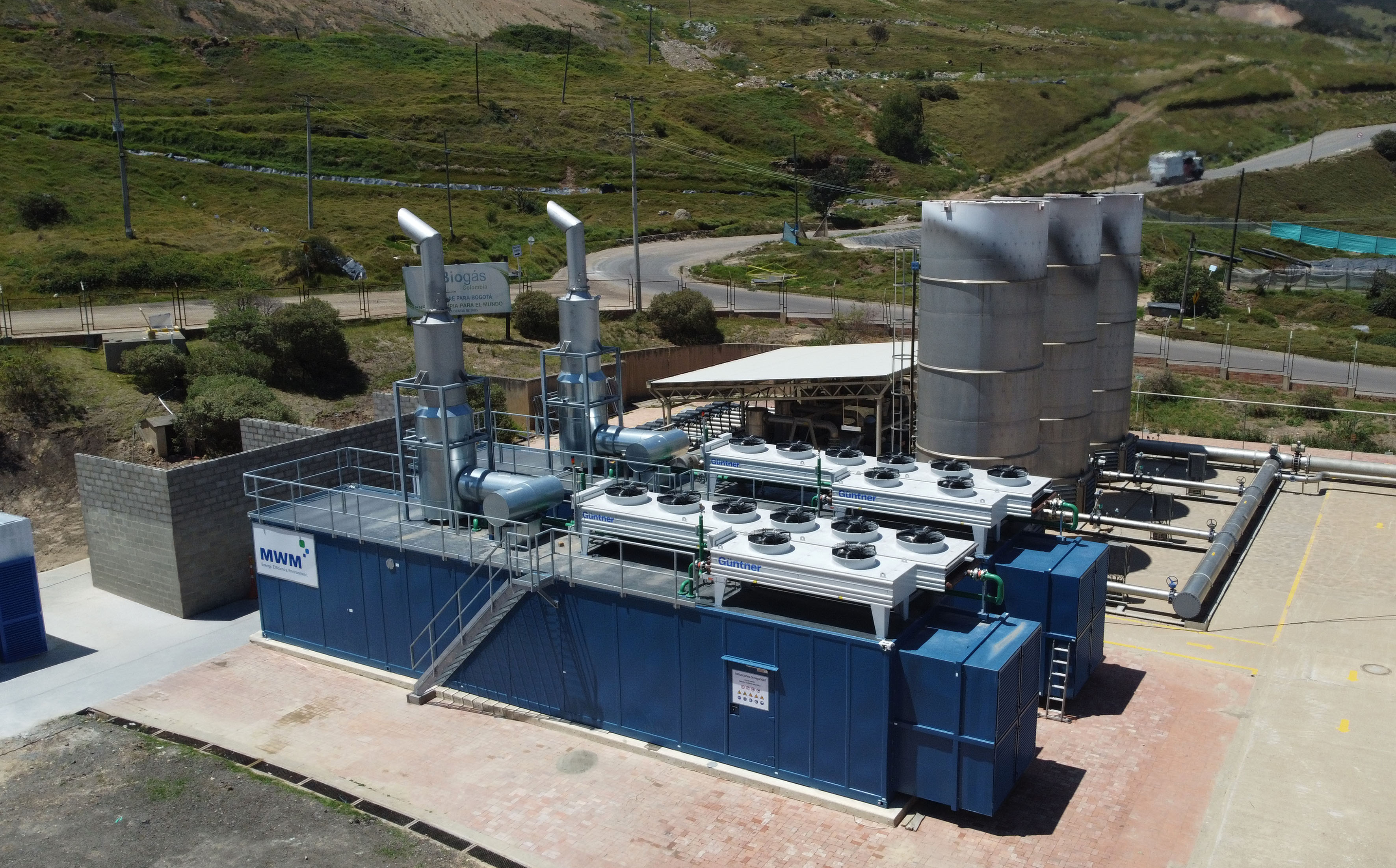
Doña Juana Landfill Gas-to-Energy Project
Biogás Colombia is a pioneering project in Bogotá that has been addressing climate change and promoting a circular economy since 2007. By harnessing biogas generated from the anaerobic decomposition of municipal solid waste at the Doña Juana landfill, the project effectively reduces greenhouse gas emissions and produces clean energy, improving air quality in the capital. It prevents over 800,000 tCO₂e annually, equivalent to removing 400,000 cars or planting 160 million trees. Biogás Colombia also engages in the carbon market, helping organizations fulfill their climate commitments while being recognized for its impact and operational excellence by leading institutions.
Project Gallery
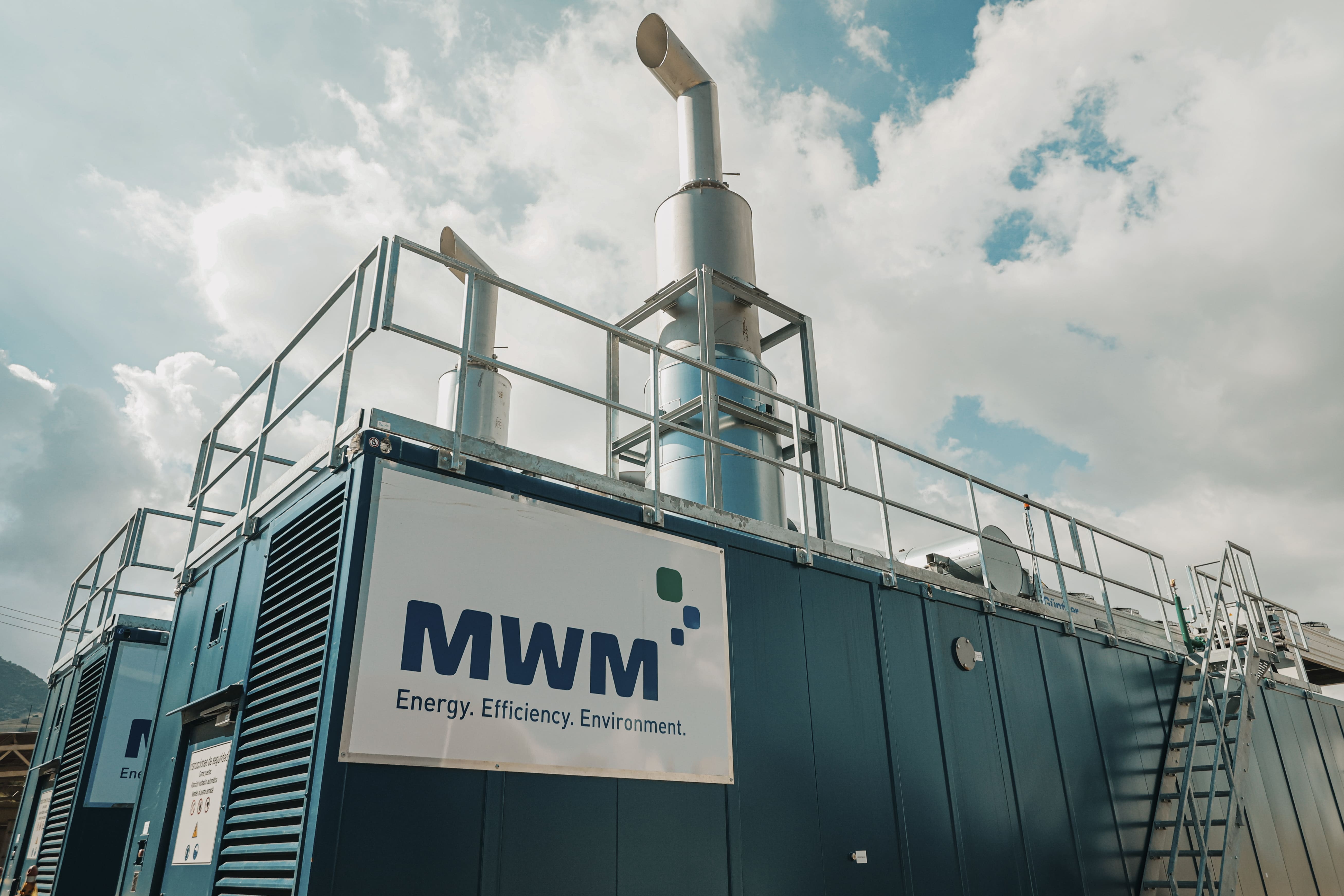
Project Overview
Since 2007, Biogás Colombia has been a flagship project for circular economy and climate change mitigation in Colombia. Located in Bogotá, we transform the gas generated by the anaerobic decomposition of municipal solid waste at the Doña Juana landfill into solutions that reduce emissions, generate clean energy, and improve air quality in the Colombian capital.
Every year, more than 2.2 million tons of solid waste are continuously (24/7) deposited at the Doña Juana landfill. During the anaerobic decomposition of the organic fraction (52%), biogas is generated, a mixture primarily composed of methane (CH₄) and carbon dioxide (CO₂). The gas is extracted through vertical wells connected to a network of pipelines. Specialized equipment monitors pressure and flow to ensure a stable supply of more than 13,500 m³ of biogas per day to the treatment plant.
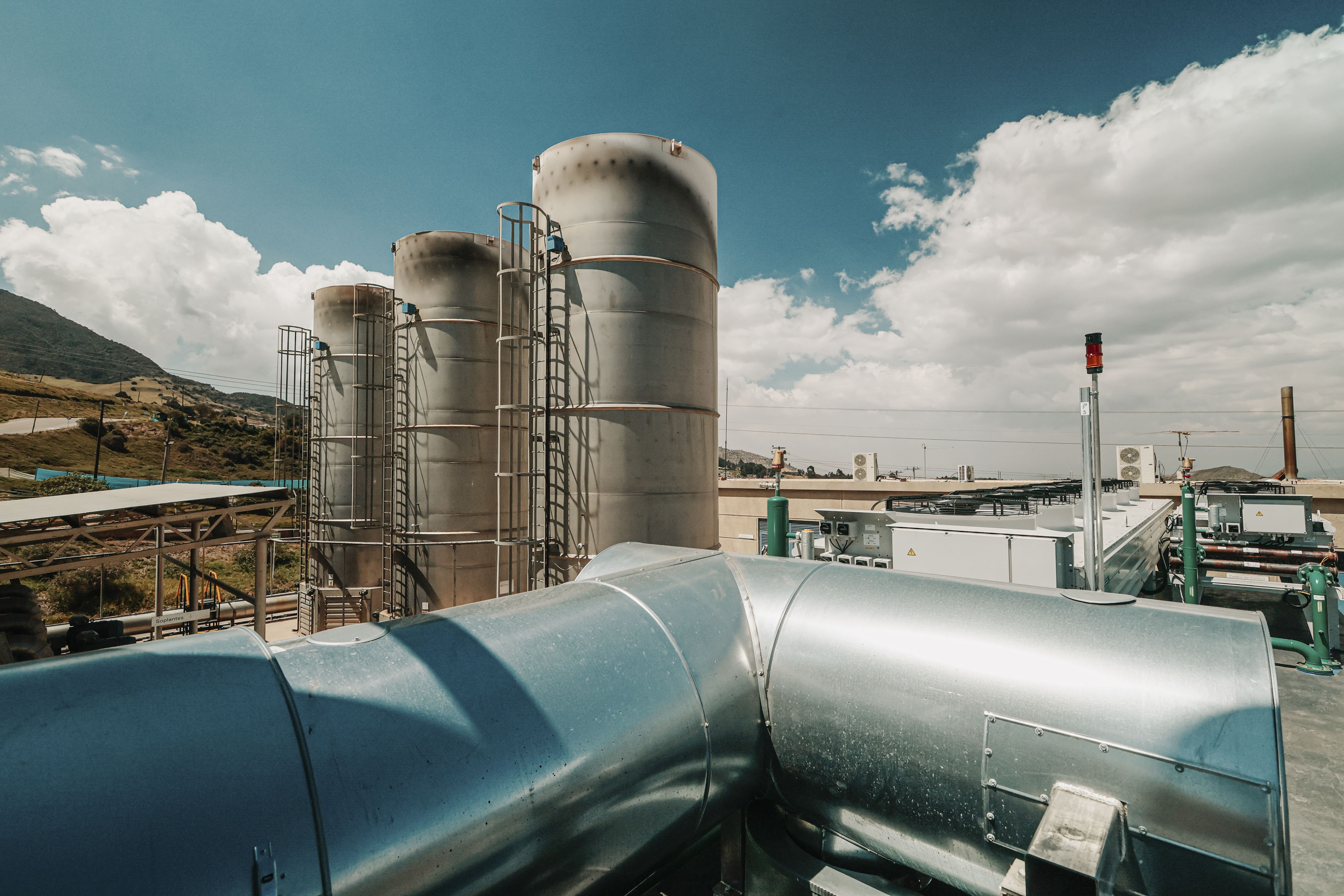
At the plant, the gas passes through four blowers and three flares (each with a capacity of 5,000 Nm³/h) for controlled combustion, effectively preventing the direct release of methane, one of the most powerful greenhouse gases in the atmosphere. Through this process, Biogás Colombia prevents over 800,000 tCO₂e per year, equivalent to removing 400,000 cars from Bogotá’s streets or planting 160 million trees.
Our project actively participates in the carbon market, helping companies and organizations meet their climate commitments at both national and international levels. Biogás Colombia is trusted by leading institutions such as Nefco – the Nordic Green Bank, Primax, BIOMAX, Petrobras, PUMA Energy, Chevron, Terpel, and Cemex, who recognize our proven record of impact, transparency, and operational excellence.
Project Details
Project Company
BIOGAS COLOMBIA S.A.S. E.S.P
Project URL
Location
Bogota, Capital District, Colombia
Project Type
Landfill (Gas Avoidance / Gas Recovery)
Methodology
M/WM-RE_ED01: Methodology for the implementation of projects for the capture, destruction or use of biogas produced in landfills
Mechanism
Avoidance
Start Date
November 2025
Verification
First Verifier: ICONTEC
On-going Validator: ICONTEC
Standard: CerCarbono
Project Verification & Standards
This project adheres to recognized carbon standards and undergoes third-party validation and verification. These standards help ensure emissions reductions or removals are real, measurable, and traceable.
Sustainable Development Goals
This project contributes to the following United Nations Sustainable Development Goals (SDGs):

Affordable and clean energy
Ensure access to affordable, reliable, sustainable and modern energy for all

Decent work and economic growth
Promote sustained, inclusive and sustainable economic growth, full and productive employment and decent work for all

Climate action
Take urgent action to combat climate change and its impacts
The Sustainable Development Goals are a collection of 17 global goals set by the United Nations General Assembly. This project's contributions to these goals are verified and monitored.
Support this project
Choose how you want to contribute to this verified carbon offset project.
Carbon projects supported by ClimeOne are independently verified but involve estimates and assumptions. Environmental outcomes may vary. Offsetting should be considered one component of a broader sustainability strategy.