
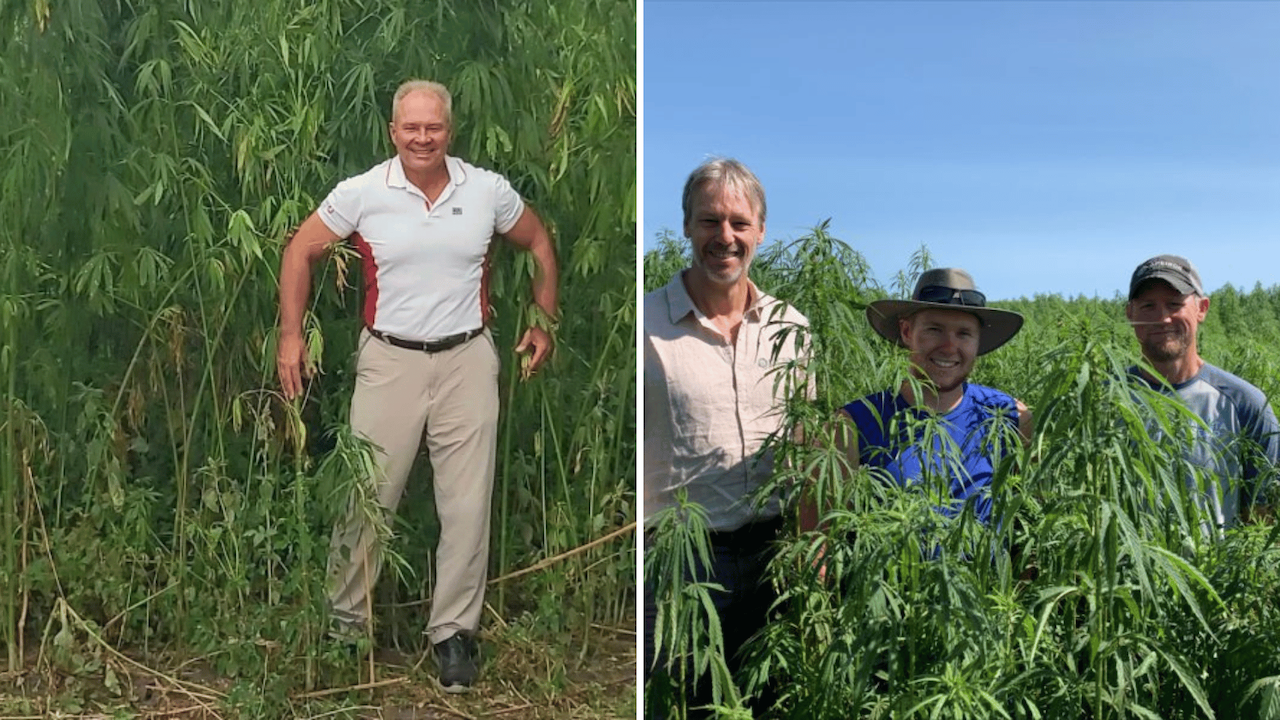
Dibrova Farms
Dibrova Farms Ltd. showcases resilience by continuing its regenerative agricultural practices amid the challenges of the war in Ukraine. The farm utilizes hemp as a rotational crop, which plays a crucial role in carbon sequestration and soil health enhancement. With its deep root system, hemp not only captures carbon but also enriches soil fertility, supporting long-term environmental sustainability. Revenue from carbon credit sales is vital for the expansion and adoption of innovative techniques that bolster these regenerative practices. Corporate investors in Dibrova's independently verified carbon credits can trust that their contributions have a tangible positive impact on the environment, aligning with global sustainability goals.
Project Gallery

Project Overview
Dibrova Farms Ltd. exemplifies resilience in the face of adversity. Despite the ongoing challenges brought on by the war in Ukraine, the farm continues its commitment to regenerative agricultural practices, which prioritize sustainability and soil health. Hemp, one of their rotational crops, plays a key role in soil regeneration, carbon capture, and sustainable agriculture. By cultivating hemp, they sequester carbon, restore soil health, and promote long-term environmental resilience.
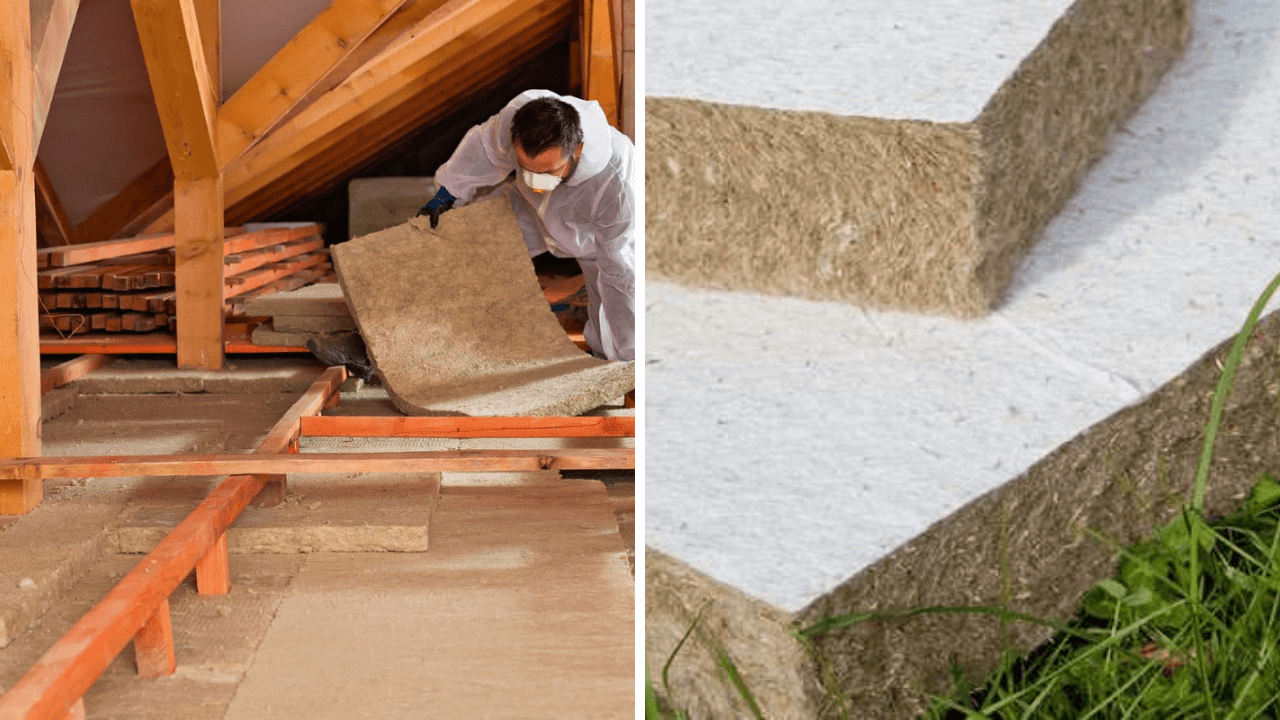
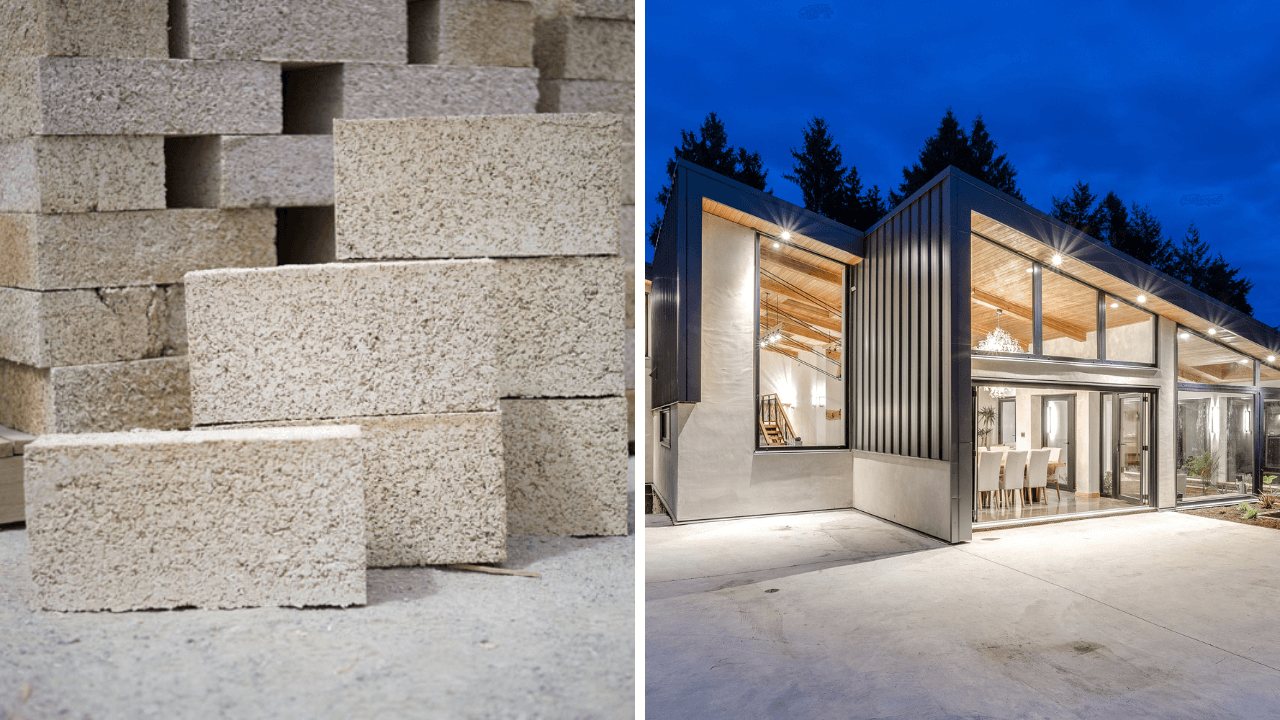
Hemp’s deep root system stores carbon by depositing organic matter into the soil, improving long-term soil organic carbon (SOC) levels. As the roots decay, they lock carbon into the ground, enhancing soil fertility. The plant’s rapid growth allows it to absorb large amounts of CO₂ through photosynthesis, converting it into biomass. Its stalks, composed of up to 70% cellulose, retain carbon until they decompose or are processed into durable products.
Revenue from carbon credit sales is essential for Dibrova Farms to invest in sustainable farming, expand operations, and implement new technologies that enhance carbon capture. Without this revenue, sustaining regenerative practices and scaling hemp acres would be limited.
Corporate buyers investing in Dibrova’s carbon credits can be confident that their funding directly supports measurable environmental impact. The HCS 10-year carbon credits are independently verified, ensuring that carbon sequestration is additional—not just a result of traditional farming operations.
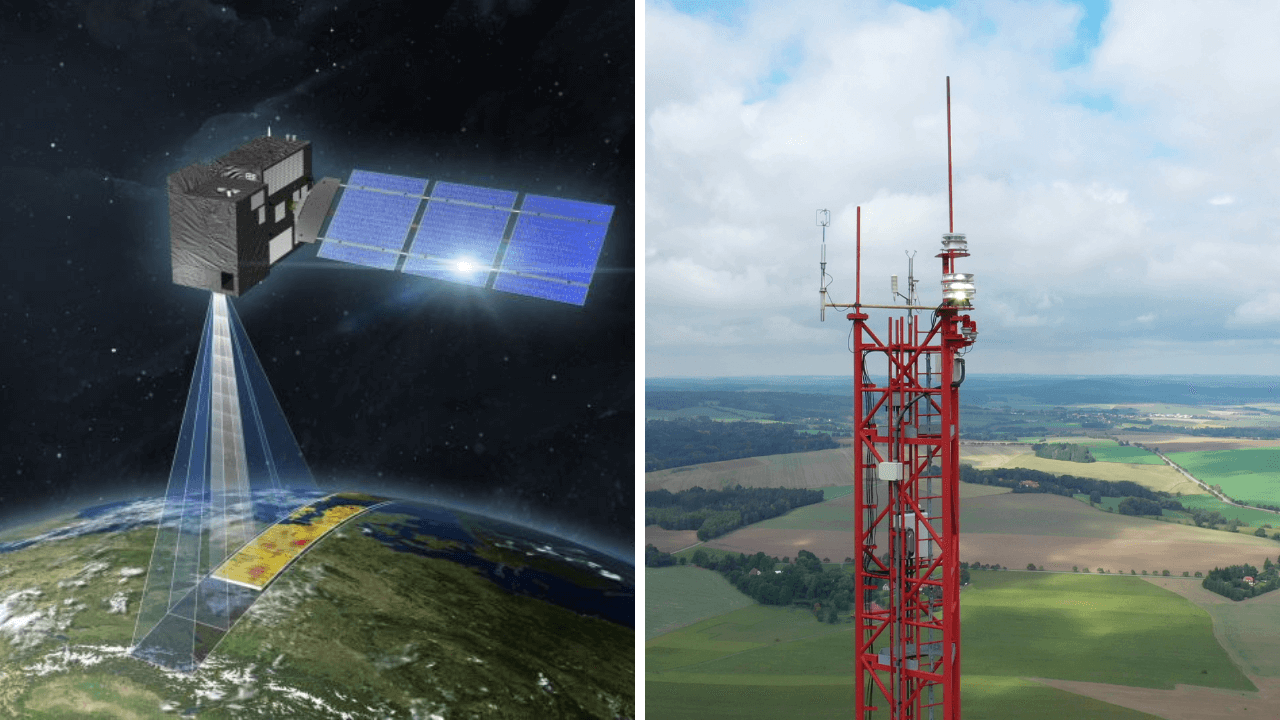
HCS’s advanced Measurement, Reporting, and Verification (MRV) system uses precision remote sensing technology to track carbon capture with accuracy and transparency while minimizing leakage. This rigorous monitoring process strengthens the credibility of Dibrova’s carbon credits.
Beyond carbon sequestration, Dibrova’s regenerative farming methods improve soil health, enhance biodiversity, and reduce reliance on synthetic fertilizers and chemical inputs. These practices create economic opportunities for local farmers, generating additional revenue to sustain their operations.
HCS Horizon credits align with global sustainability goals, including Climate Action (SDG 13), Life on Land (SDG 15), and Responsible Consumption & Production (SDG 12). These credits go beyond traditional environmental targets by supporting a circular economy and driving meaningful climate action.
Dibrova’s carbon credits are more than just removal credits—they represent a commitment to regenerative agriculture, sustainable land management, and a healthier planet. By choosing these verified, high-impact credits, corporate buyers contribute to real, long-term environmental and economic change.
Project Details
Project Company
Hemp Carbon Standard Inc
Project URL
Location
Rivne Urban Hromada, Rivne Oblast, Ukraine
Project Type
Regenerative Agriculture
Methodology
HCS001
Mechanism
Removal
Start Date
September 2023
Verification
First Verifier: Control Union
On-going Validator: Control Union
Standard: Hemp Carbon Standard
Project Verification & Standards
This project adheres to recognized carbon standards and undergoes third-party validation and verification. These standards help ensure emissions reductions or removals are real, measurable, and traceable.
Sustainable Development Goals
This project contributes to the following United Nations Sustainable Development Goals (SDGs):

Clean water and sanitation
Ensure availability and sustainable management of water and sanitation for all

Decent work and economic growth
Promote sustained, inclusive and sustainable economic growth, full and productive employment and decent work for all

Industry, innovation and infrastructure
Build resilient infrastructure, promote inclusive and sustainable industrialization and foster innovation

Sustainable cities and communities
Make cities and human settlements inclusive, safe, resilient and sustainable

Responsible consumption and production
Ensure sustainable consumption and production patterns

Climate action
Take urgent action to combat climate change and its impacts

Life on land
Protect, restore and promote sustainable use of terrestrial ecosystems, sustainably manage forests, combat desertification, and halt and reverse land degradation and halt biodiversity loss
The Sustainable Development Goals are a collection of 17 global goals set by the United Nations General Assembly. This project's contributions to these goals are verified and monitored.
Support this project
Choose how you want to contribute to this verified carbon offset project.
Carbon projects supported by ClimeOne are independently verified but involve estimates and assumptions. Environmental outcomes may vary. Offsetting should be considered one component of a broader sustainability strategy.