
Charcoal Stoves in Kenya
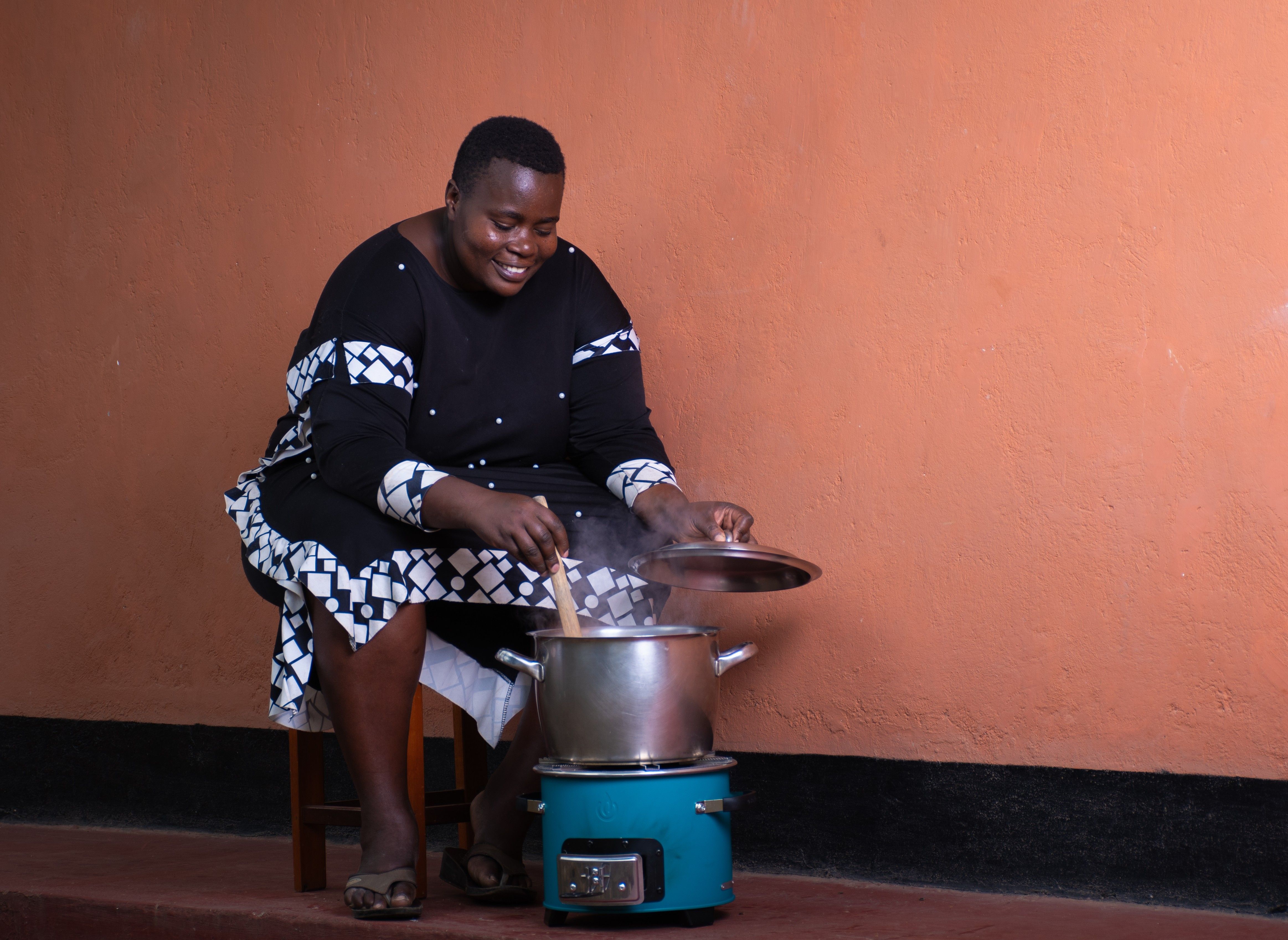
The Charcoal Stoves in Kenya project aims to improve household cooking conditions by distributing high-efficiency charcoal stoves across rural and urban communities. This initiative tackles significant health, environmental, and economic challenges posed by traditional cooking methods that contribute to indoor air pollution, responsible for 23,000 deaths annually. By replacing inefficient stoves with BioLite's Tier 5 charcoal stoves, the project enhances thermal efficiency, reduces greenhouse gas emissions, and allows households to save on fuel costs. Through robust monitoring and carbon finance mechanisms, the project has distributed over 198,000 stoves, impacting 1.4 million lives and generating substantial savings for households while creating over 150 local jobs.
Project Gallery


Project Overview
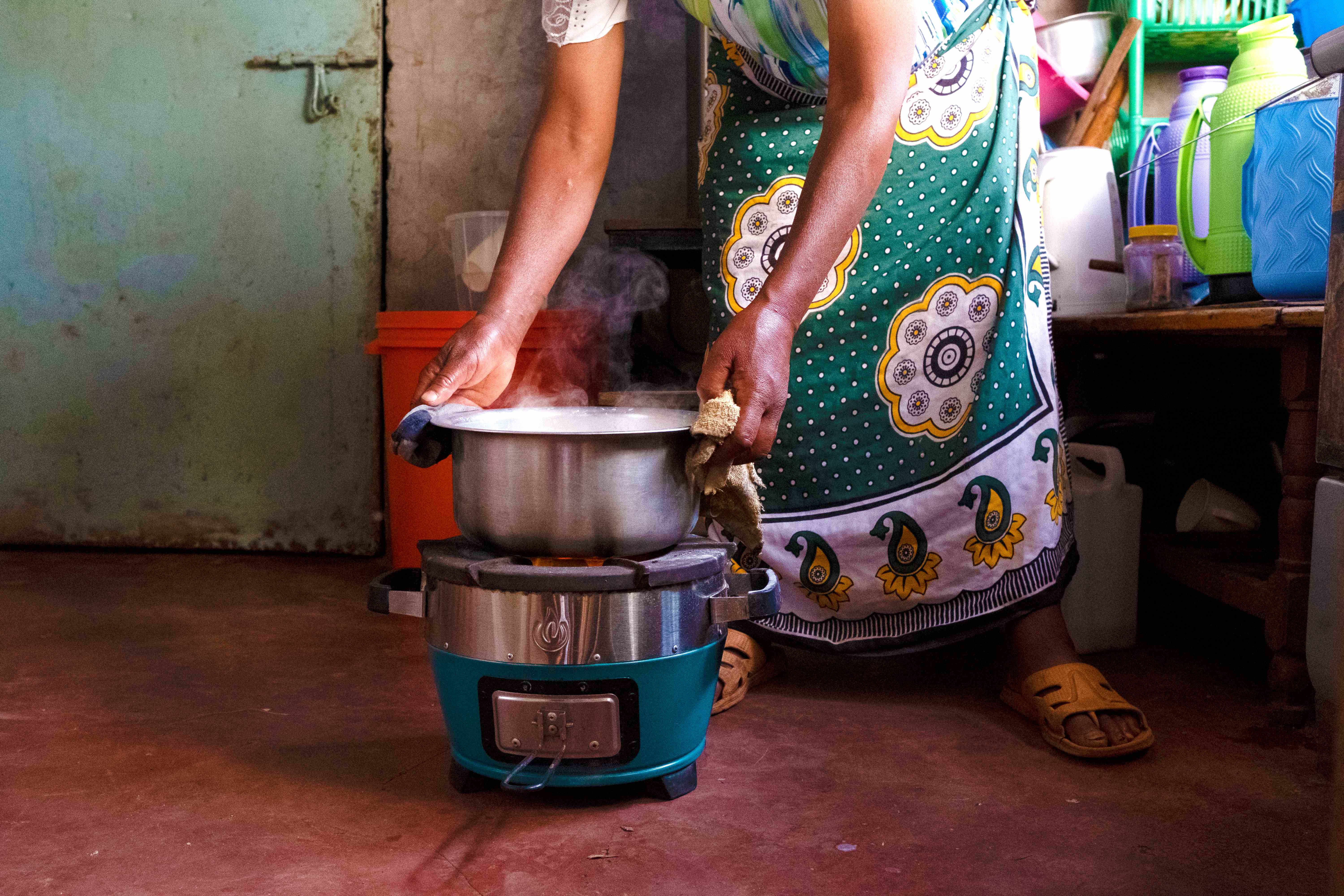
Charcoal Stoves in Kenya project deploys improved charcoal stoves (ICS) to households across Kenya, replacing inefficient traditional stoves and three-stone fires widely used for cooking. The initiative targets both rural and urban communities, where charcoal remains a significant cooking fuel.
Traditional stoves that burn solid biomass fuels like wood and charcoal release high levels of particulate matter, contributing to hazardous indoor air pollution. In Kenya, household air pollution is responsible for approximately 23,000 deaths annually, disproportionately affecting women and children who spend the most time near cooking areas. The project addresses these serious health, environmental, and economic challenges by offering a cleaner, more efficient alternative.
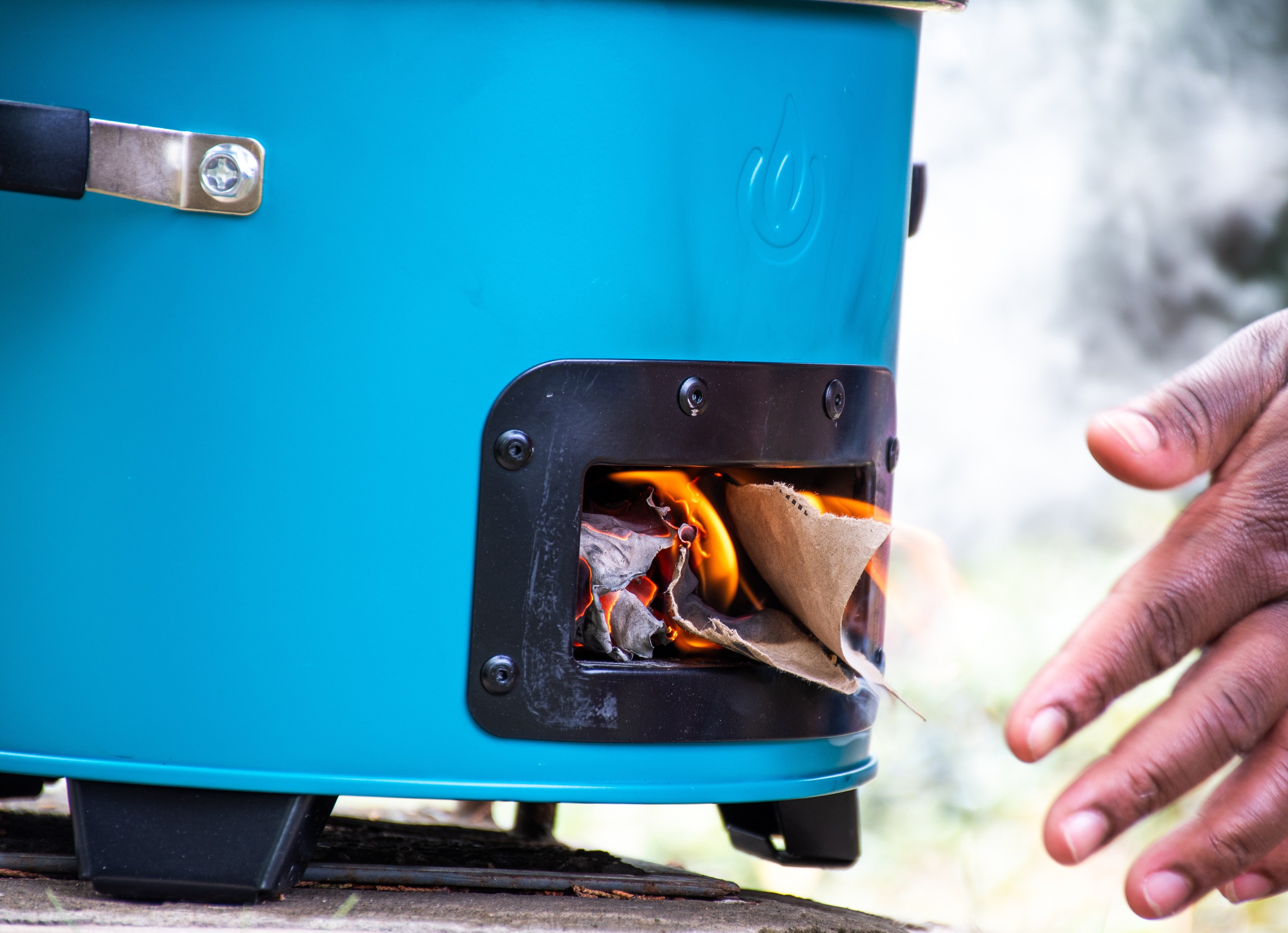
At the heart of the project are Biolite’s high-efficiency charcoal stoves (Tier 5, ISO-IWA), which achieve thermal efficiency rates of 50–60%. The improved cookstoves deployed under the project are engineered to enhance fuel combustion within the stove chamber, allowing for better heat transfer and significantly lower emissions of smoke, black soot, and PM. These stoves help households cut charcoal usage (fuel consumption and a corresponding drop in greenhouse gas (GHG) emissions associated with the use of non-renewable biomass), lower daily energy expenses, save time on fuel collection, and improve indoor air quality. The project leverages carbon finance to overcome one of the biggest barriers to adoption—upfront cost—making these clean technologies more accessible to end users.
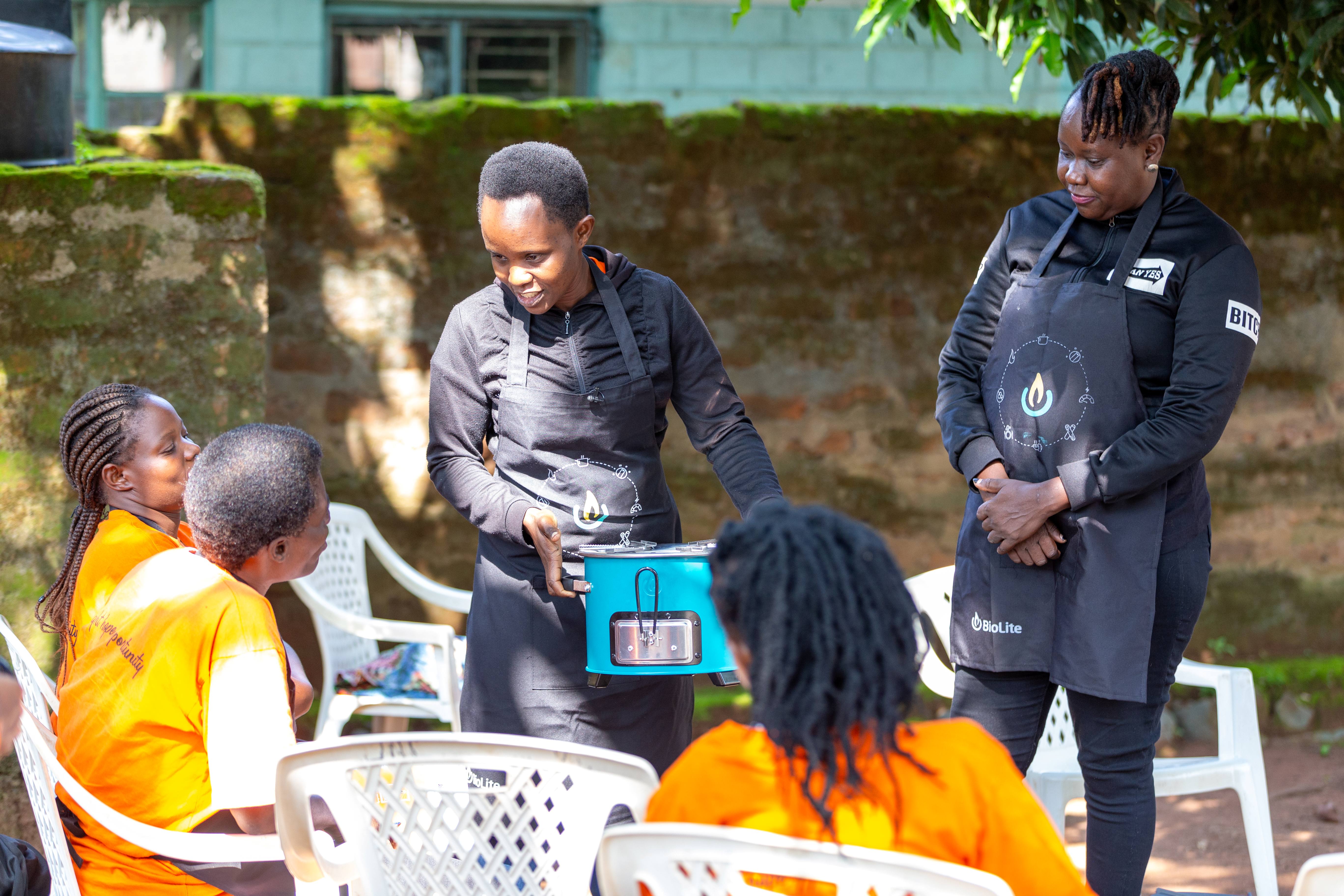
The project is underpinned by a robust monitoring and verification system where each stove is tagged with a unique serial number at the point of distribution, and trained local partners collect usage and impact data throughout the crediting period. This information is stored in a central electronic data management system to ensure transparent and reliable reporting. To maintain data integrity, BioLite incentivizes its distribution partners with a carbon rebate that is paid only upon accurate submission of verified data. This rebate represents the distributor’s full product margin, creating strong motivation to uphold data quality and accountability.
To date, more than 198,000 improved charcoal stoves have been distributed under the project. In 2023 alone, the initiative delivered 450,000 tCO₂e in verified emission reductions. Led by BioLite a B-Corp and Climate Label-certified for-profit social enterprise, the project exemplifies clean energy innovation, effective last-mile distribution, and measurable impact at scale. This project has an estimated rating by Sylvera of BB-B.
The Charcoal Stoves in Kenya project in numbers:
- USD $185 million in household savings
- 1.4 million lives impacted
- 150+ local jobs created
Project Details
Project Company
BioLite
Project URL
Location
Meru County, Kenya
Project Type
Cookstoves
Methodology
AMS-II.G.
Mechanism
Avoidance
Start Date
May 2025
Verification
First Verifier: TÜV-NORD
On-going Validator: TÜV-Nord
Standard: Gold Standard
Project Verification & Standards
This project adheres to recognized carbon standards and undergoes third-party validation and verification. These standards help ensure emissions reductions or removals are real, measurable, and traceable.
Sustainable Development Goals
This project contributes to the following United Nations Sustainable Development Goals (SDGs):

Gender Equality
Achieve gender equality and empower all women and girls

Affordable and clean energy
Ensure access to affordable, reliable, sustainable and modern energy for all

Climate action
Take urgent action to combat climate change and its impacts

Life on land
Protect, restore and promote sustainable use of terrestrial ecosystems, sustainably manage forests, combat desertification, and halt and reverse land degradation and halt biodiversity loss
The Sustainable Development Goals are a collection of 17 global goals set by the United Nations General Assembly. This project's contributions to these goals are verified and monitored.
Support this project
Choose how you want to contribute to this verified carbon offset project.
Carbon projects supported by ClimeOne are independently verified but involve estimates and assumptions. Environmental outcomes may vary. Offsetting should be considered one component of a broader sustainability strategy.