
AgroEcology_Italy
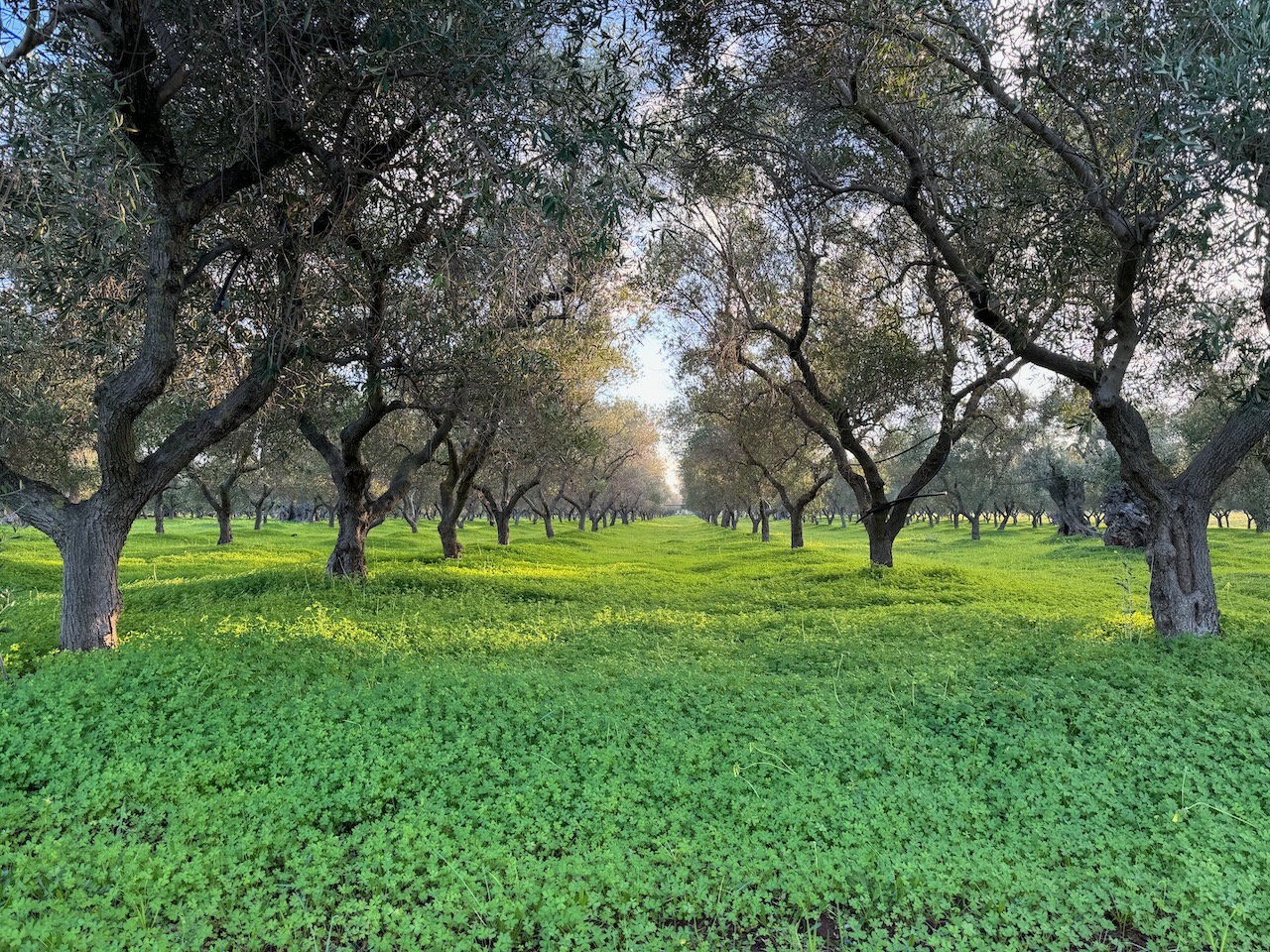
The project aims to transform local agriculture by promoting sustainable practices among farmers, reducing reliance on synthetic fertilizers and pesticides, and enhancing soil health through agroforestry and efficient recycling of organic materials. Targeting an expansive increase of cultivated land to at least 200,000 hectares by 2030, the initiative is projected to reduce carbon emissions by over 51 million tCO2e over 45 years, with confirmed early successes already demonstrating effective carbon sequestration. Collaborating with academic and research institutions, the project adheres to rigorous international standards and methodologies to ensure robust environmental impact and verifiable carbon reductions. Furthermore, it fosters economic sustainability for local communities by reducing dependence on EU subsidies while supporting the adoption of innovative agronomic practices. The initiative ensures long-term viability through a detailed Measurement, Reporting, and Verification framework, offering high-quality carbon credits that significantly enhance participating companies' environmental efforts.
Project Gallery
Project Overview
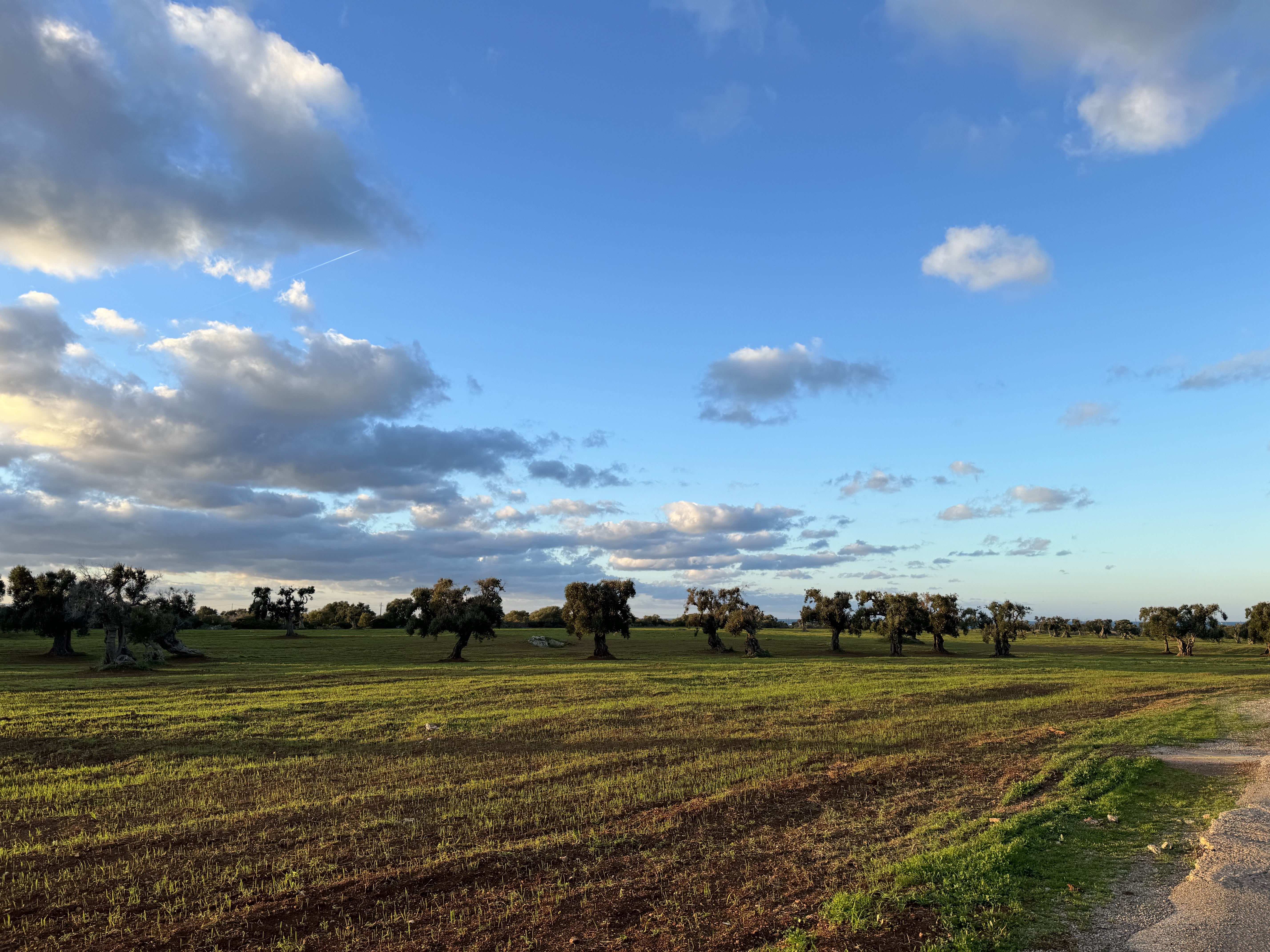
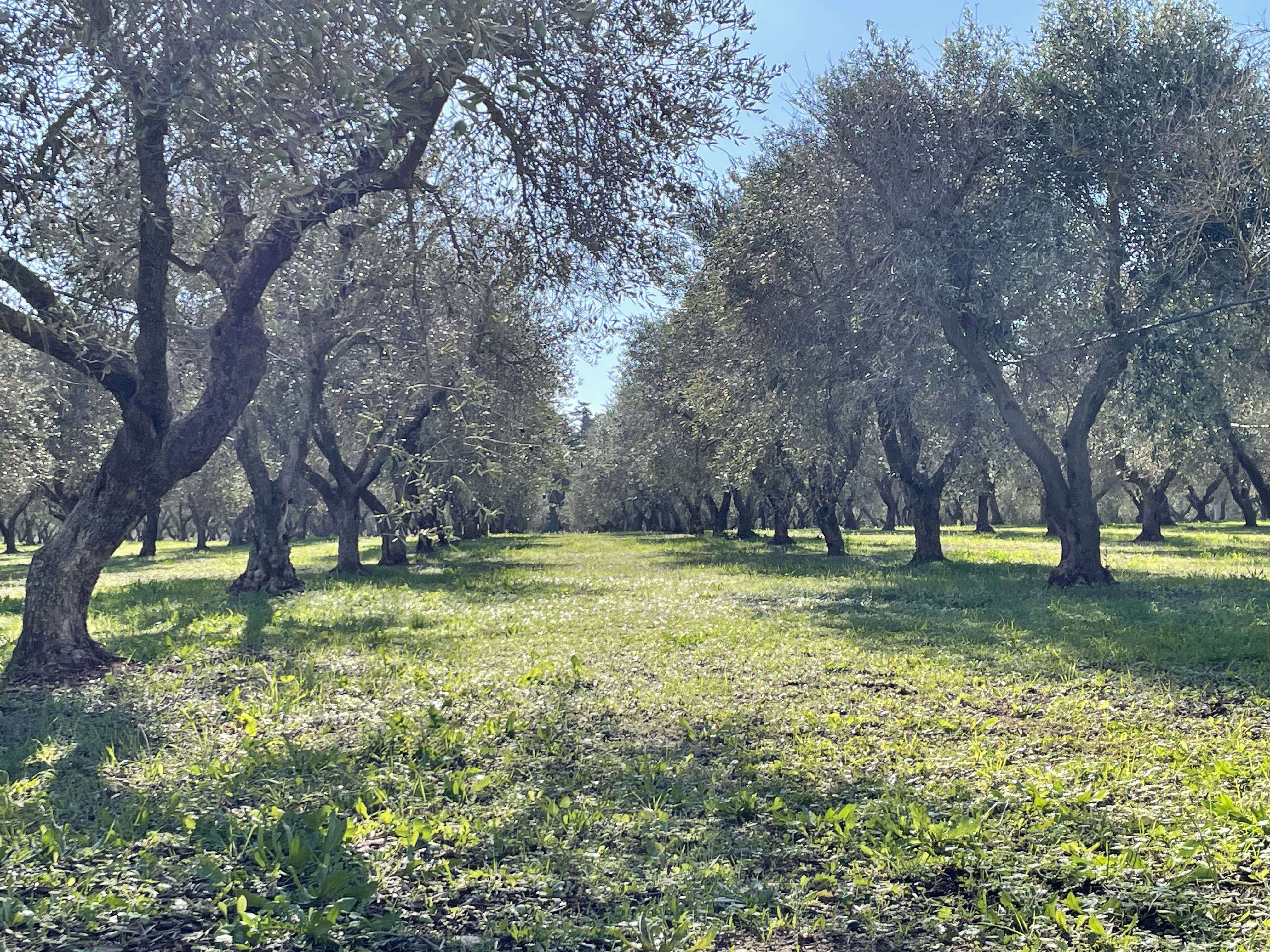
This project is dedicated to transforming local agriculture by encouraging sustainable practices among farmers, reducing dependence on synthetic fertilisers and pesticides, enhancing soil organic matter, promoting efficient recycling of organic materials, and regenerating degraded land through agroforestry. These efforts aim not only to improve environmental well-being but also to enhance the economic sustainability of the region’s agriculture by reducing reliance on EU subsidies.
Designed as a grouped project for registration with its initial instance, the initiative is poised for significant expansion, targeting an increase to at least 25,000 hectares of cultivated land by the end of 2024. The ambition is to grow by an additional 25,000 hectares each year, aiming to cover a minimum of 200,000 hectares by 2030.
The project is expected to generate a total of 51,420,690 tCO2e over a 45-year period (2022-2066), with an average annual reduction of 1,142,682 tCO2e. Initial monitoring has already confirmed the effective sequestration of 8,044 tCO2e across 67 farms who manage a combined area of 1,474.89 hectares from January 2022 to December 2023, demonstrating alignment with the project’s ambitious environmental objectives. Furthermore, an additional 1,367 farmers have committed to adopting similar practices and farmers onboarding is underway as of 2024.
At the heart of Alberami’s mission is the goal to mitigate carbon emissions while boosting the prosperity of local landscapes and communities through sustainable, scientifically-supported methods. The project adheres to the International Carbon Registry standards under ISO 14064-2 and incorporates the LIFE C-Farms methodology, benefiting from collaborations with Italian universities, research institutions, and industry partners. This methodology, co-financed by the 2020 LIFE Programme of the European Commission (LIFE20 PRE IT/017), is complemented by elements from Verra's VM0042 v2.0: A Verified Carbon Standard (VCS) for improved agricultural land management (ALM), and the CDM’s AR-AMS0007 methodology for small-scale afforestation and reforestation under the Clean Development Mechanism (CDM) of the United Nations Framework Convention on Climate Change (UNFCCC). These methodologies quantify emission reductions from agroforestry, afforestation, and reforestation activities, including carbon stocks and fluxes, ensuring a robust and verifiable approach to carbon reduction and environmental enhancement.
The project's commitment to innovative agronomic practices and the revitalisation of uncultivated and degraded lands, coupled with its advanced Measurement, Reporting, and Verification (MRV) models, has garnered significant acclaim during its validation and verification process.
This initiative not only promotes sustainable economic incentives for adopting eco-friendly practices but also ensures long-term reliability with a 45-year guarantee and a robust double permanence buffer. It also employs a 98% accurate Soil Organic Carbon (SOC) prediction model, ensuring the production of high-quality, integral carbon credits. These features collectively enable companies to significantly enhance their environmental impact through durable and reliable carbon removal solutions.
Project Details
Project Company
Alberami srl
Project URL
Location
Apulia, Italy
Project Type
Agriculture
Methodology
C-Farms
Mechanism
Removal
Start Date
May 2024
Verification
First Verifier: Carbon Check
On-going Validator: Carbon Check
Standard: ICR Standard
Project Verification & Standards
This project adheres to recognized carbon standards and undergoes third-party validation and verification. These standards help ensure emissions reductions or removals are real, measurable, and traceable.
Sustainable Development Goals
This project contributes to the following United Nations Sustainable Development Goals (SDGs):

No poverty
End poverty in all its forms everywhere

Zero hunger
End hunger, achieve food security and improved nutrition and promote sustainable agriculture

Decent work and economic growth
Promote sustained, inclusive and sustainable economic growth, full and productive employment and decent work for all

Industry, innovation and infrastructure
Build resilient infrastructure, promote inclusive and sustainable industrialization and foster innovation

Responsible consumption and production
Ensure sustainable consumption and production patterns

Climate action
Take urgent action to combat climate change and its impacts

Life on land
Protect, restore and promote sustainable use of terrestrial ecosystems, sustainably manage forests, combat desertification, and halt and reverse land degradation and halt biodiversity loss

Partnerships for the goals
Strengthen the means of implementation and revitalize the Global Partnership for Sustainable Development
The Sustainable Development Goals are a collection of 17 global goals set by the United Nations General Assembly. This project's contributions to these goals are verified and monitored.
Support this project
Choose how you want to contribute to this verified carbon offset project.
Carbon projects supported by ClimeOne are independently verified but involve estimates and assumptions. Environmental outcomes may vary. Offsetting should be considered one component of a broader sustainability strategy.