
Why ClimeOne Uses a Portfolio of Projects
Diversification, resilience, and transparency.
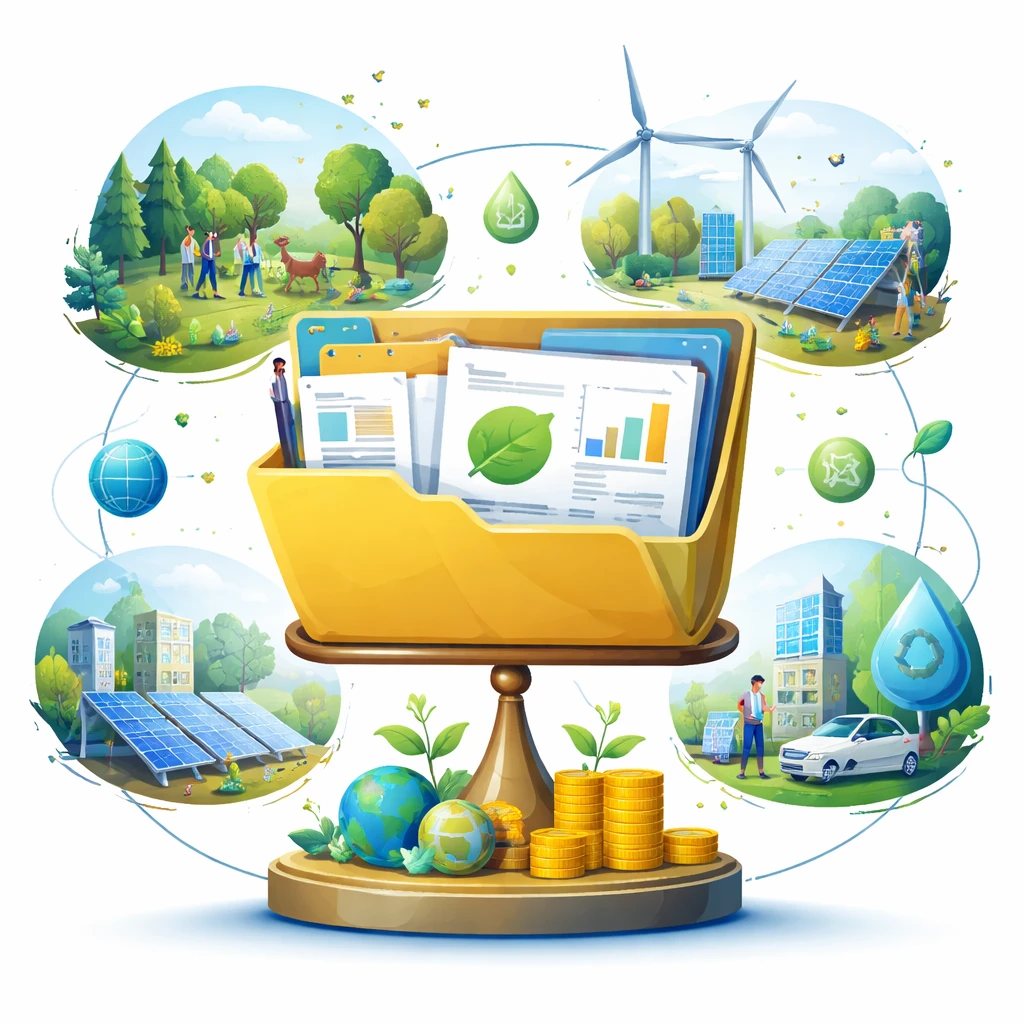
Learn why supporting multiple projects helps balance impact and risk.
When engaging with climate impact efforts, it can be helpful to understand why platforms like ClimeOne support a range of different projects rather than focusing on just one. This approach balances various factors including risk, uncertainty, and impact duration. This guide explores the reasons behind using a portfolio of projects, providing clarity on how this method contributes to thoughtful climate action. By using multiple projects, ClimeOne aims to offer a more balanced and transparent way to address climate footprints. This guide breaks down key concepts to help users better grasp why diversity in climate initiatives is important and how it affects impact and reporting.
1. Why Relying on a Single Project is Risky
Supporting only one climate project can concentrate risk in ways that may reduce overall effectiveness. Projects vary in many aspects, including their methods, geographic locations, and types of emissions reductions or removals. Unexpected challenges such as changes in funding, natural events, or operational difficulties can affect a project's ability to deliver expected outcomes over time.
For instance, a forest conservation project could be vulnerable to diseases or wildfires, while a technology-based project might face technical or regulatory hurdles. Relying on just one project means that if these challenges arise, the expected carbon benefits may not fully materialize.
2. Benefits of Diversification
Using a portfolio of different projects allows for spreading risk and taking advantage of varied approaches. Different projects may target various greenhouse gases, use various technologies or natural resources, and operate in diverse locations. This variety helps balance potential underperformance of some projects with successes of others.
Diversification can also support multiple communities and ecosystems, creating broader social and environmental benefits. It can encourage innovation by including newer project types along with proven methods. Overall, this approach aims to pursue a more stable and resilient impact.
3. Managing Uncertainty
Climate projects involve some degree of uncertainty due to factors like measurement methods, natural variability, and future conditions. Measurements of emissions reductions or removals are estimates based on best available science and reporting standards.
By supporting a portfolio, ClimeOne can better manage this uncertainty. If one project's outcome is estimated with higher uncertainty, others with more consistent data can help balance the overall impact assessment. This approach recognizes the limits of certainty and works within them transparently.
4. Balancing Short- and Long-Term Impact
Some projects provide benefits quickly, while others aim for longer-lasting effects. For example, renewable energy projects can reduce emissions relatively fast by replacing fossil fuel use, whereas forest restoration projects may take years to capture significant carbon as trees grow.
Having a portfolio helps balance these time frames, offering both immediate and sustained climate benefits. This balance supports more comprehensive climate goals by addressing different stages of emissions reduction and carbon removal.
5. How Portfolios Support Transparency
Transparency is important in climate action to build trust and allow users to understand where their support goes. Portfolios can be more transparent by disclosing project details, monitoring processes, and sharing estimation methods across all included projects.
ClimeOne shares information about the different projects it supports, including their types, locations, and monitoring practices. This openness helps users appreciate the diversity and complexity involved and makes it clearer how impacts are assessed.
In conclusion, ClimeOne’s use of a portfolio of projects reflects careful consideration of risks, uncertainties, time horizons, and transparency. Supporting multiple projects offers a more resilient and balanced approach to carbon impact. This thoughtful selection process aims to provide users with clear, trustworthy information and meaningful contributions to climate action.
Key Takeaways
- Relying on a single climate project concentrates risk and may reduce overall impact.
- A diversified portfolio spreads risk and harnesses multiple approaches and benefits.
- Portfolios help manage uncertainties inherent in project measurements and outcomes.
- Balancing projects with different time frames supports both immediate and long-term climate effects.
- Transparency is enhanced when portfolios disclose details and methods for various projects.
ClimeOne thoughtfully selects and supports a range of climate projects to provide a balanced and transparent approach to tracking and contributing to climate impact.
Ready to take action?
Calculate your carbon footprint and see how ClimeOne can help you track and reduce your impact.