
What Carbon Offsetting Can't Do
Setting realistic expectations.
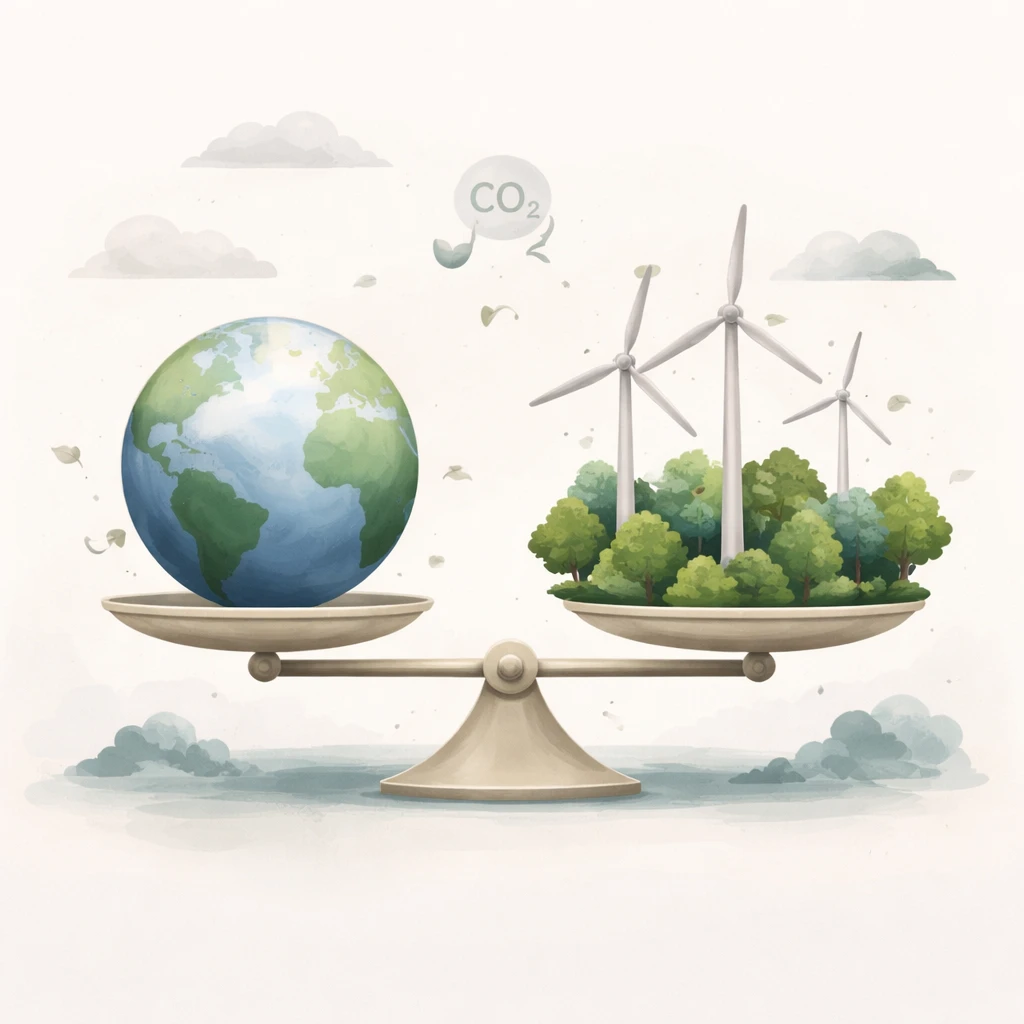
An honest discussion of the limits of carbon offsetting.
Carbon offsetting is often presented as a way to counterbalance greenhouse gas emissions by investing in projects that reduce or capture carbon elsewhere. While offsetting can be a useful tool within a broader climate strategy, it is important to understand its limitations and avoid overestimating its role. This guide explains what carbon offsetting can and cannot do, the structural constraints it faces, and how to approach offsetting with a clear and balanced perspective. The goal is to provide clear, practical information that helps individuals make informed decisions about offsetting as part of their environmental efforts. This guide also highlights how ClimeOne can support you in tracking and selecting offsetting projects transparently and responsibly.
1. Common Overexpectations
Some people believe that carbon offsetting can completely neutralize all emissions from activities like flying, driving, or heating homes. There is also a perception that purchasing offsets alone is enough to stop climate change or that offsets always result in permanent and verifiable carbon reductions.
These expectations can create misunderstandings about the effectiveness of offsetting and may lead to complacency in reducing emissions directly or supporting broader systemic changes.
2. Structural Limits
Offset projects vary widely in their approach and impact. Many offsets come from activities such as reforestation, renewable energy development, or methane capture, which have inherent uncertainties:
- Measurement accuracy: Estimating exact emission reductions often involves assumptions and approximations.
- Permanence: Some carbon storage methods, like forests, can be reversed through events like fires or disease.
- Additionality: It can be challenging to ensure that offset projects lead to emissions reductions that would not have happened otherwise.
Furthermore, offsets do not address all greenhouse gases equally or all sources of emissions, and they do not solve root causes such as fossil fuel dependence.
3. What Offsetting Does Not Replace
Offsetting should not be viewed as a substitute for:
- Direct emissions reduction: The most reliable way to lower your carbon footprint is to reduce emissions through choices related to energy use, transportation, consumption, and waste.
- Policy and systemic change: Large-scale changes in infrastructure, energy systems, and regulations are necessary to address climate change effectively.
- Ongoing engagement: Offsetting alone does not replace the need for awareness, education, and participation in community or organizational initiatives targeting sustainability.
4. How to Use Offsetting Responsibly
When considering carbon offsetting, it is helpful to:
- Measure your emissions: Use transparent tools like the ClimeOne platform to estimate your carbon footprint with awareness of the uncertainties involved.
- Prioritize reduction: Seek to lower emissions directly before purchasing offsets to address residual emissions.
- Select credible projects: Choose offsets verified by trusted standards that emphasize transparency and additionality.
- Understand limitations: Recognize that offsets represent estimated, not guaranteed, climate benefits.
5. Setting Realistic Expectations
Carbon offsetting is one element in a broader climate action toolkit. It can help compensate for emissions that are currently difficult to eliminate but should not be seen as a comprehensive solution. Maintaining a balanced view promotes responsible use and supports ongoing improvements in offset quality and climate impact.
Using platforms like ClimeOne can assist individuals in navigating these complexities, offering access to verified offset projects and tools to track progress. Transparent information enables you to make informed decisions without overreliance on offsets.
Key Takeaways
- Carbon offsetting cannot completely neutralize emissions or solve climate change alone.
- Offset projects have limitations in measurement accuracy, permanence, and additionality.
- Offsetting does not replace direct emissions reductions or systemic change.
- Use offsetting as a complement to reduction efforts and choose credible, transparent projects.
- Set realistic expectations about what offsetting can achieve and recognize its role within broader climate action.
Understanding the realistic role of carbon offsetting can help you make thoughtful choices. ClimeOne provides tools to estimate your emissions, explore verified offset projects, and track your climate impact with transparency to support responsible and informed action.
Ready to take action?
Calculate your carbon footprint and see how ClimeOne can help you track and reduce your impact.