
Is Carbon Offsetting a Scam?
Separating fact from fiction.
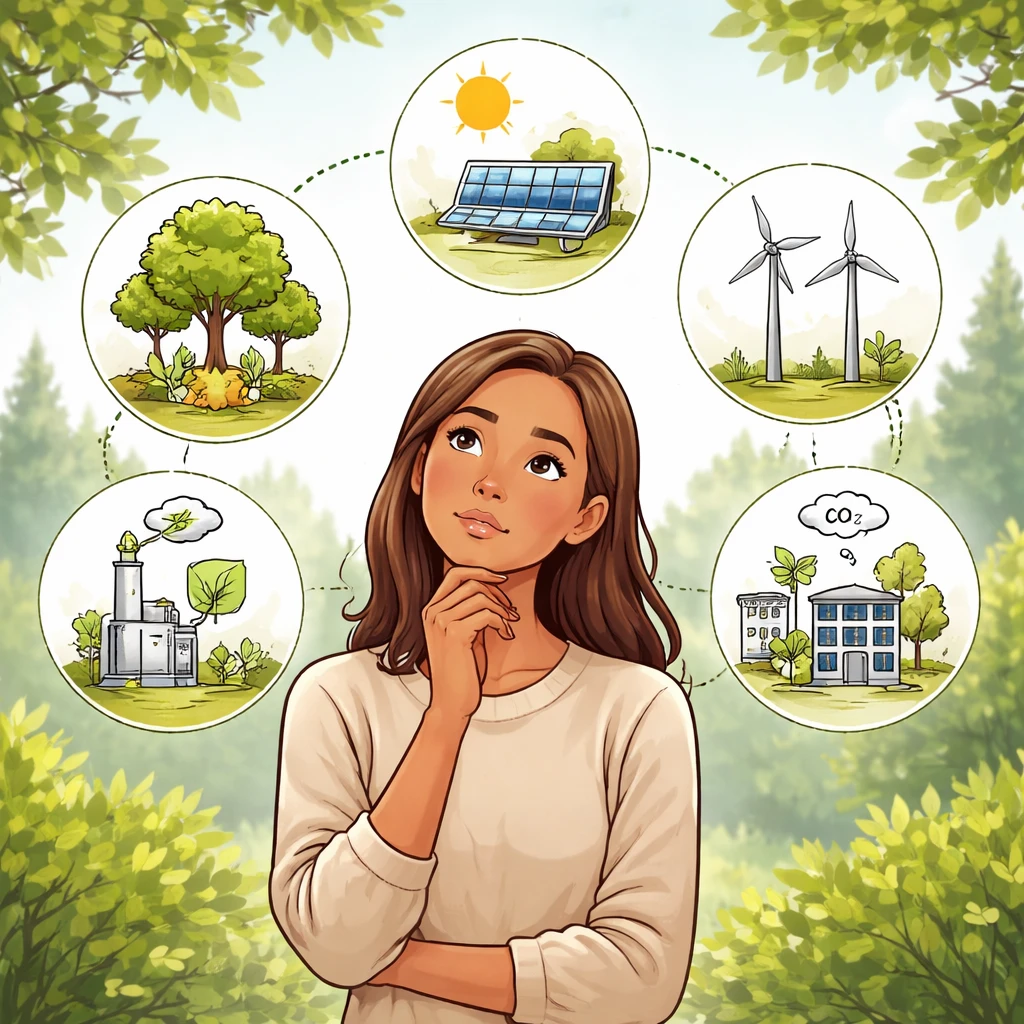
Understand why skepticism exists and how credible offsetting works.
Carbon offsetting has become a popular method for individuals and businesses to address their greenhouse gas emissions. However, some people express skepticism about whether carbon offset projects actually deliver the environmental benefits they claim. This guide aims to explain why skepticism exists and how carbon offsetting works in practice, helping readers understand how credibility is assessed and why transparency matters. It also describes how ClimeOne engages with these challenges to provide clearer information about carbon offsetting.
1. Why Skepticism Exists
Many people wonder if carbon offsetting is truly effective or if it is simply a way to avoid direct emission reductions. Skepticism arises because offsets can seem intangible — unlike reducing emissions by changing one's own behavior, buying offsets often involves funding projects elsewhere. Additionally, some critics highlight cases where offsets did not meet their promised environmental outcomes, leading to doubts about the overall impact of offsetting programs.
It's important to recognize that skepticism is a natural response when dealing with complex environmental issues involving measurement, verification, and future projections. The uncertainties involved can make carbon offsetting appear unclear or even suspect to some.
2. Past Problems in Carbon Markets
Earlier carbon markets and offset initiatives have faced challenges that contributed to skepticism. Some common issues included:
- Overestimating emission reductions: Some projects counted more reductions than they actually achieved.
- Additionality concerns: Projects funded by offsets should result in emission reductions that would not have happened otherwise. Determining this additionality has been difficult in practice.
- Leakage: Sometimes reducing emissions in one place caused emissions to increase elsewhere.
- Verification gaps: Lack of rigorous third-party verification allowed some low-quality projects to enter offset markets.
These problems led to mistrust and made some people question if offsetting is worthwhile.
3. How Credibility Is Assessed
Credible carbon offsets come from projects that are transparent, verifiable, and produce clear greenhouse gas emission reductions. Key factors used to assess credibility include:
- Additionality: The project must result in greenhouse gas reductions that would not have occurred otherwise.
- Measurement: Emissions reductions need to be quantified using accepted standards.
- Verification: Independent third parties check project claims and data.
- Permanence: Reductions should be durable over time, not temporary.
- Avoiding leakage: The project should not cause emissions to increase elsewhere.
Many recognized standards and certifications apply these criteria to verify projects, adding layers of trust.
4. Role of Transparency
Transparency is critical in addressing skepticism. Publicly available data about the project location, method, emissions reductions, verification reports, and funding can help users understand what exactly their offset payments support. Transparency also allows independent scrutiny and can improve market accountability.
However, even with transparency, it's important to remember that estimates and assumptions are often part of emission calculations. Transparency does not guarantee certainty but helps users interpret results responsibly.
5. How ClimeOne Addresses Concerns
ClimeOne aims to help individuals better understand carbon offsetting by providing transparent information about projects included in its platform. Features include:
- Clear project details: Users can find data about the type of projects, locations, and verified reductions.
- Access to verification documents: Where available, relevant third-party verification reports are shared.
- Estimation explanations: ClimeOne explains the limitations and assumptions behind footprint calculations and offset equivalencies.
- Encouragement of informed choices: Rather than promoting offsetting as a perfect solution, the platform supports thoughtful consideration of options to address climate impact.
While no approach perfectly eliminates the uncertainties inherent in carbon offsetting, ClimeOne focuses on providing clear, balanced information to support users’ understanding and confidence.
Key Takeaways
- Skepticism around carbon offsetting arises from past problems and uncertainties in measuring real environmental impact.
- Credible offset projects meet criteria like additionality, verifiable emissions reductions, permanence, and leakage prevention.
- Transparency about project details and verification helps users interpret claims realistically.
- Past carbon markets faced challenges that informed today’s improved standards.
- ClimeOne provides transparent, accessible information to help users understand and responsibly use carbon offsets.
As you explore carbon offsetting, tools like those offered by ClimeOne can provide clear information and context, helping you interpret data responsibly and make informed decisions about your climate impact.
Ready to take action?
Calculate your carbon footprint and see how ClimeOne can help you track and reduce your impact.