
Home Energy Use and Carbon Impact Explained
Electricity, heating, and emissions.
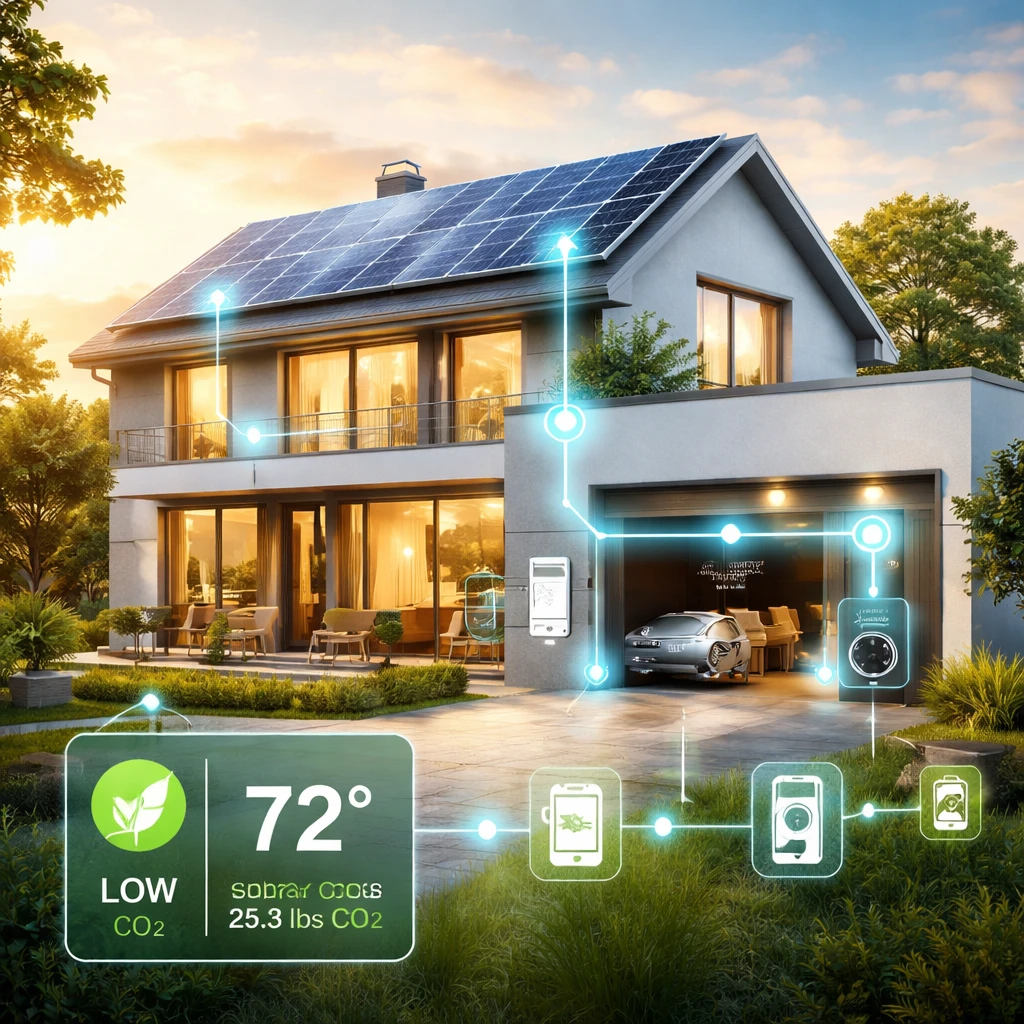
Learn how home energy consumption contributes to carbon footprints.
Energy consumption in our homes is one of the common contributors to our personal carbon footprint. Understanding how electricity and heating relate to carbon emissions can help provide insight into factors that influence our home's climate impact. This guide explains key concepts about home energy use, regional and seasonal differences, and the nature of estimates. We will also explore how ClimeOne approaches calculating and accounting for energy consumption to provide transparent and practical information. Whether you are new to the topic or seeking clearer understanding, this guide offers straightforward explanations to help you make sense of home energy and carbon impacts.
1. Electricity and Heating Emissions
Electricity use and heating are two major components of home energy consumption that contribute to carbon emissions. The carbon impact depends on how the electricity or heat is generated. For example, electricity produced from coal or natural gas typically results in higher carbon emissions compared to electricity generated from renewable sources like wind or solar.
Heating can come from various sources including natural gas, oil, electric heat pumps, or biomass. Each source has a different carbon intensity, meaning the amount of carbon dioxide emitted per unit of energy used. Understanding your home's energy sources can help estimate the related carbon emissions.
2. Regional Energy Differences
The carbon intensity of electricity and heating varies significantly by region. This variation is due to the local mix of energy sources used to produce electricity and fuel heating systems. For instance, a region that relies heavily on coal for electricity will generally have higher associated emissions than one that uses mainly hydropower.
Regions also differ in availability of renewable resources and infrastructure, affecting how energy is produced and delivered. When estimating carbon impact, it is important to take into account these regional differences rather than assuming a single universal emission factor.
3. Seasonal Variation
Energy use in homes tends to fluctuate with the seasons. In colder months, heating demand usually increases, leading to higher energy consumption and potentially higher carbon emissions depending on the heating source. Conversely, electricity use for cooling in warmer months can also contribute to changes in energy use patterns.
Seasonal changes affect both the quantity of energy used and the emissions per unit of energy, especially if the energy mix changes seasonally. For example, some regions may produce more renewable energy in certain seasons which can lower overall emissions during those times.
4. Why Estimates Vary
Estimating the carbon impact of home energy use involves assumptions and data that can vary. Factors contributing to differences in estimates include variations in energy sources, measurement methods, data quality, and user behavior.
Because of these complexities, estimates are best understood as approximations rather than precise values. Transparency about these limits helps users interpret the data responsibly and understand what the numbers represent without expecting exact precision.
5. How ClimeOne Accounts for Energy Use
ClimeOne uses detailed regional data on energy sources and seasonal patterns to provide more tailored carbon impact estimates for home energy use. By incorporating local emission factors and adjusting for seasonal variations, ClimeOne aims to improve the relevance and clarity of the information provided.
The platform combines user-provided energy consumption data with publicly available and proprietary datasets, acknowledging estimation limits and uncertainties. This approach supports users in tracking and understanding their home energy footprint with transparency and a practical perspective.
Key Takeaways
- Home energy carbon emissions depend on electricity and heating sources.
- Regional differences in energy generation significantly influence emissions.
- Seasonal changes affect both energy use and carbon impact.
- Carbon emission estimates involve uncertainties and should be viewed as approximations.
- ClimeOne uses localized and seasonal data to provide transparent carbon impact estimates for home energy use.
ClimeOne offers tools that incorporate regional and seasonal factors to help you understand and track your home energy carbon impact with clarity and transparency.
Ready to take action?
Calculate your carbon footprint and see how ClimeOne can help you track and reduce your impact.