
Flying and Carbon Emissions Explained
What makes flights carbon-intensive.
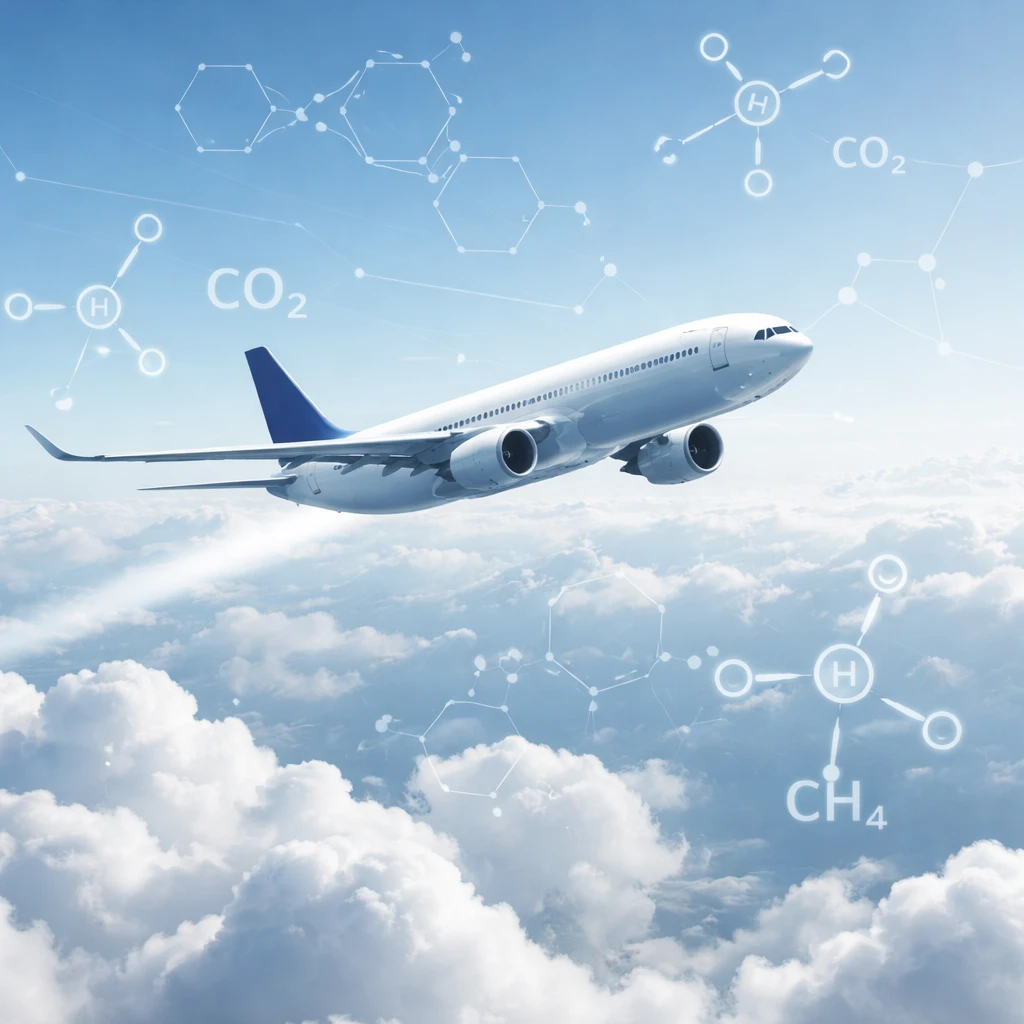
Learn why flying contributes significantly to carbon footprints and how emissions are estimated.
Air travel is often discussed in conversations about carbon emissions due to the significant fuel consumption involved. Understanding how flying contributes to an individual's carbon footprint can help inform personal awareness and decision-making. This guide provides a straightforward explanation of why flying is carbon-intensive, how emissions are estimated, and the role of carbon offsetting. Flying involves complex factors that influence the amount of carbon dioxide released per journey. These include the flight distance, type of aircraft, and the number of passengers. Differences in calculation methods mean that emission estimates can vary. This guide aims to clarify these points without judgment or urging changes in travel habits.
1. Why Flying Is Carbon-Intensive
Aircraft engines burn aviation fuel, which is a type of fossil fuel. Combustion of this fuel releases carbon dioxide (CO2), a greenhouse gas that contributes to climate change. Compared to many other forms of transportation, airplanes consume large amounts of fuel at once, mainly because they need to generate enough thrust to stay aloft and propel forward at high speeds.
Moreover, planes operate at high altitudes where emissions can have additional climate effects beyond CO2 alone. While this guide focuses on carbon emissions, it's worth knowing that aviation's overall climate impact includes other gases and phenomena, although these are more complex to quantify.
2. Distance and Aircraft Factors
The length of a flight affects total emissions. Longer flights generally burn more fuel, although fuel efficiency can sometimes improve over longer distances due to cruising optimizations. Short flights tend to use more fuel per kilometer per passenger because takeoff and landing phases consume considerable energy.
Different types of aircraft have different fuel efficiencies. Newer models often incorporate better technology to reduce fuel use, while older or larger planes may consume more. Additionally, how full the plane is influences per passenger emissions - more passengers share the total emissions over more individuals.
3. Passenger-Based Estimates
Emissions from flights are commonly estimated on a per passenger basis, dividing total fuel consumption by the number of seats filled. This helps individuals understand their share of emissions from a given flight.
Calculating precise emissions per passenger can be complex because it depends on factors such as exact flight routes, aircraft type, seating configuration, and occupancy rates. Estimates often use average values or typical scenarios to provide a practical figure.
4. Why Numbers Differ Between Calculators
Various online calculators and tools estimate flight emissions differently. This happens because they use different assumptions regarding aircraft models, flight distances, inclusion of additional climate effects (like contrails), and methodologies for dividing emissions among passengers.
Some calculators account only for CO2 emissions, while others factor in additional effects that could increase the estimate. Differences in data sources and update frequency also play a role.
Understanding that these numbers are estimates rather than exact amounts is important. Tools like ClimeOne's flight carbon calculators aim to provide transparent explanations of their assumptions and data to help users interpret results responsibly.
5. Responsible Offsetting
Carbon offsetting involves investing in projects that reduce or remove greenhouse gases elsewhere to balance out emissions from flying. Common projects include reforestation, renewable energy, and methane capture initiatives.
While offsetting can complement efforts to understand and manage personal carbon footprints, it is one part of a broader approach. It helps address emissions that are otherwise difficult to avoid. When choosing offset projects, considerations include transparency, verification, and local impact.
ClimeOne provides tools that help users track flight-related emissions and explore offsetting options that meet clear criteria for effectiveness and responsibility.
Key Takeaways
- Flying contributes to carbon emissions mainly due to burning fossil aviation fuel at high altitudes.
- Flight emissions depend on distance, aircraft type, and number of passengers.
- Emission per passenger estimates are approximate and rely on various assumptions.
- Carbon calculators may give different results based on methodologies and included factors.
- Carbon offsetting supports reduction projects but should be used with an understanding of its limits.
ClimeOne offers tools designed to help you estimate and track the carbon impact of your flights with clear information and transparent assumptions.
Ready to take action?
Calculate your carbon footprint and see how ClimeOne can help you track and reduce your impact.