
How Diet Impacts Carbon Emissions
Understanding food-related emissions.
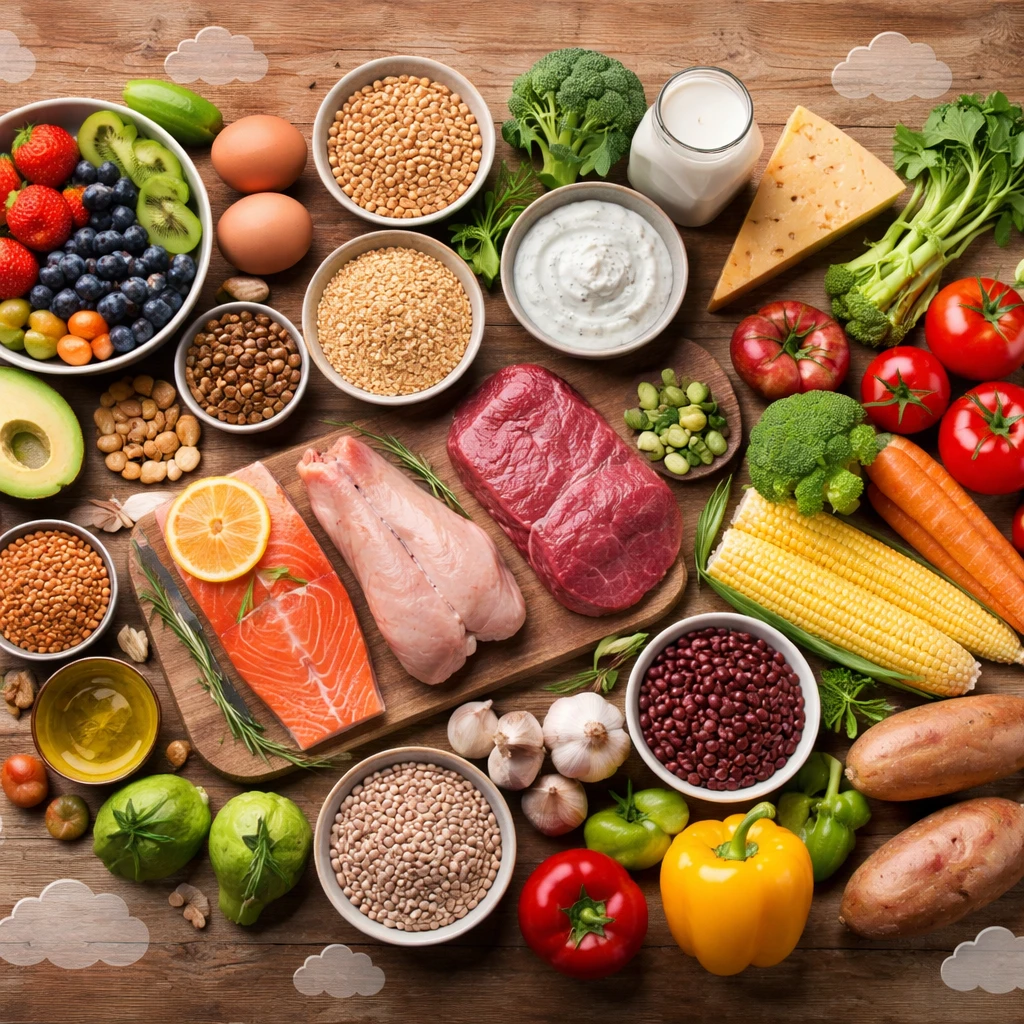
A practical look at how food choices influence carbon footprints.
Food production is an important part of the global carbon cycle and contributes to greenhouse gas emissions. This guide explores how different aspects of diet relate to carbon emissions, offering factual explanations without prescribing lifestyle changes. Understanding these relationships helps provide context for personal or collective environmental considerations. In this guide, we cover the main sources of emissions in food production, differences among broad food categories, the variability and uncertainty in emissions data, reasons why diet impacts differ between individuals, and how to interpret diet-related carbon footprint estimates with care.
1. Food Production Emissions
Producing food generates greenhouse gas emissions through a range of activities, including growing crops, raising livestock, processing, packaging, transportation, and storage. Emissions arise from sources such as:
- Use of fossil fuels for machinery and transport
- Land use changes like deforestation
- Enteric fermentation in ruminant animals (e.g., cattle) producing methane
- Application of fertilizers releasing nitrous oxide
- Energy consumption in food processing and refrigeration
The mix and scale of these sources vary depending on the type of food and methods used in production.
2. Broad Food Categories
Different food categories typically differ in their associated carbon emissions:
- Animal-based foods: Products like beef, lamb, and dairy often have higher emissions partly due to methane from ruminants and resource-intensive feeding practices.
- Poultry and pork: Generally, these have lower emissions than ruminant meats but still contribute notably compared to plant-based foods.
- Plant-based foods: Grains, legumes, fruits, and vegetables usually have lower emissions per kilogram, although this depends on factors such as growing conditions and transport.
It is important to note that these categories cover wide ranges of products with varying emission profiles.
3. Variability and Uncertainty
Estimating carbon emissions from diet involves uncertainties due to differences in agricultural practices, regional factors, and data quality. Factors causing variation include:
- Production methods (e.g., organic vs conventional)
- Geographic origin and climate
- Supply chain length and transportation mode
- Seasonality affecting storage and preservation
- Data limitations and methodological choices in life cycle assessments
Because of these factors, emission figures are often average estimates rather than precise values for specific items.
4. Why Diet Impacts Differ by Person
Individual dietary patterns, portion sizes, and food sourcing choices influence the overall carbon emissions attributed to one’s diet. For example:
- People consuming more animal-based foods generally have higher dietary emissions, but this depends on specific choices.
- Variations in food waste at the household level affect the effective emissions of one’s diet.
- Local availability and access to certain foods can shape dietary emissions profiles.
- Personal preferences influence the mix and frequency of food consumption.
Thus, diet-related emission impacts vary significantly among individuals.
5. Interpreting Estimates Responsibly
When using carbon footprint calculators or other estimation tools, it is helpful to keep several considerations in mind:
- Estimates provide a general sense of relative emissions and are based on averaged data.
- They are intended to support informed understanding rather than precise accounting.
- Emissions associated with diet are one part of broader personal and societal environmental footprints.
- Transparent tools, such as ClimeOne’s platform, clearly communicate data sources and assumptions to aid interpretation.
- Being aware of the limitations of data can guide balanced consideration of diet and environmental impact.
Key Takeaways
- Food production contributes to carbon emissions through multiple processes including land use, livestock methane, and energy use.
- Broad food categories show different average emissions, with animal-based foods often having higher associated emissions than plant-based foods.
- Estimates vary due to production methods, geographical factors, and data uncertainties.
- Individual dietary impacts on carbon emissions differ because of personal food choices, waste, and sourcing.
- Carbon footprint estimates for diet should be interpreted as approximate indicators to support understanding, not exact measurements.
Understanding the carbon emissions related to food can provide useful insights when considering personal environmental impact. Tools like ClimeOne offer transparent calculators and project information to help track and explore these estimates with an awareness of their approximate nature.
Ready to take action?
Calculate your carbon footprint and see how ClimeOne can help you track and reduce your impact.